Gabriella
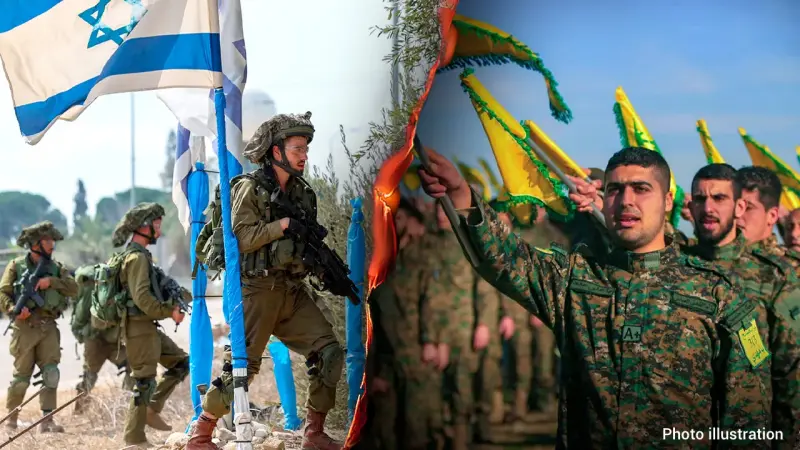
BEIRUT — An Israeli airstrike recently killed three journalists, including a reporter for the Hezbollah-affiliated broadcaster Al-Manar, in southern Lebanon, further intensifying cross-border hostilities. The incident, which also wounded several media personnel, immediately drew sharp condemnation from Lebanese authorities and international press freedom organizations.
The strike occurred near the town of Yaroun in the Bint Jbeil district, a region frequently subjected to Israeli military operations targeting Hezbollah positions. The deceased journalists were reportedly covering the escalating conflict along the Israeli-Lebanese border when their vehicle was hit.
Among the casualties was Issam Abdallah, a photojournalist for Al-Manar, the television arm of the Iran-backed Hezbollah group. The identities of the two other journalists killed were confirmed by Lebanese media as Sara Assaad and Marwan Hamzeh, both freelancers working for local news outlets.
The Lebanese government swiftly denounced the strike as a blatant violation of international law and a deliberate targeting of civilians, specifically those engaged in documenting the ongoing conflict. Prime Minister Najib Mikati called for an urgent international investigation into the circumstances of the attack.
Hezbollah, which has been engaged in a sustained exchange of fire with Israel since the regional conflict intensified, issued a statement mourning the journalists and vowing retribution for what it termed a cowardly act. The group reiterated its commitment to supporting resistance efforts against Israeli aggression.
International press freedom watchdogs, including Reporters Without Borders and the Committee to Protect Journalists, voiced outrage over the incident. They emphasized the need for all parties to respect the protected status of journalists in conflict zones under international humanitarian law and called for a thorough and independent inquiry.
An Israeli military spokesperson, responding to inquiries about the incident, stated that the Israel Defense Forces do not intentionally target civilians or journalists. The spokesperson indicated that the military was reviewing the operational details of strikes conducted in southern Lebanon and would investigate any credible reports of unintended casualties.
This incident marks a critical escalation in the already perilous environment for media professionals covering the Israel-Lebanon border. Journalists in the region frequently face immense risks, operating in areas prone to artillery fire, drone attacks, and aerial bombardments.
The broader context of this attack involves the persistent skirmishes between Israeli forces and Hezbollah across the Blue Line, the de facto border. These exchanges have intensified throughout 2026, leading to increased displacement of civilians on both sides and growing fears of a wider regional conflict.
President Donald Trump’s administration has consistently urged de-escalation in the Middle East, with State Department officials frequently engaging in diplomatic efforts to prevent the conflict from spiraling further. However, this latest incident presents a significant challenge to such diplomatic overtures.
Analysts suggest that the targeting of journalists, regardless of intent, can have a chilling effect on independent reporting from the front lines, potentially limiting global understanding of the conflict’s human toll and operational realities.
The calls for accountability are mounting, with many international bodies emphasizing that transparency and justice are paramount in upholding press freedom and deterring future acts of violence against media workers. The world watches closely for further developments and the nature of any subsequent investigations.