Gabriella
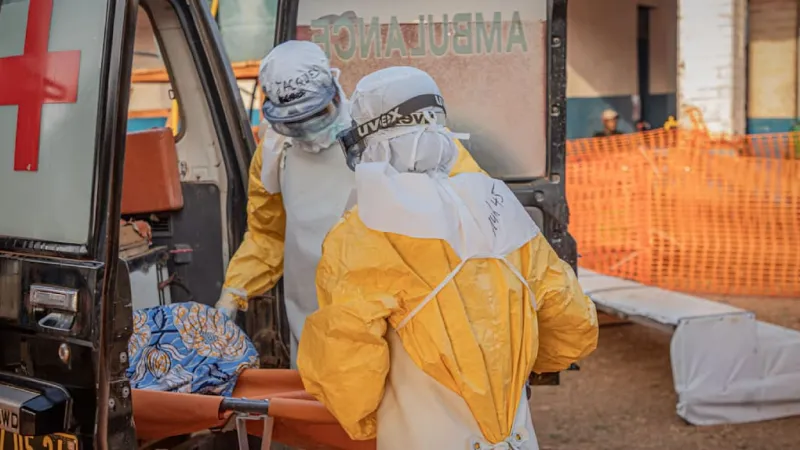
The Democratic Republic of Congo is grappling with a rapidly escalating Ebola epidemic, reporting more than 5,000 confirmed cases and a devastating nearly 50 percent mortality rate. This health crisis, characterized by widespread deaths occurring at home and the absence of specific treatment or vaccine for the causative strain, has plunged the nation into a profound public health emergency, with health officials admitting critical data gaps from early 2026.
The grim milestone of over 5,000 infections underscores the persistent challenges in containing the highly contagious virus within the nations eastern provinces. The sheer volume of cases, coupled with the high fatality rate, signals a dire situation demanding urgent and coordinated international intervention.
Health authorities express deep concern over the unquantified spread of the disease, particularly highlighting a critical period of unknown transmission dynamics. A statement from local health officials indicated, "We have no idea what happened between February and May," pointing to significant lapses in surveillance and reporting during those crucial months.
This gap in understanding is particularly alarming, as it suggests a vast number of undetected cases and unrecorded deaths may have contributed to the current surge. The virus, known for its rapid progression and severe symptoms, often claims lives before medical assistance can be rendered, especially in remote or conflict-affected areas.
A major contributing factor to the high mortality rate and unchecked spread is the alarming trend of individuals dying from Ebola within their communities and homes rather than in dedicated treatment centers. These unmonitored deaths not only obscure the true scale of the epidemic but also facilitate further transmission as family members and mourners are exposed to highly infectious bodily fluids.
The current Ebola strain ravaging Congo lacks a specific vaccine or targeted therapeutic intervention, compounding the difficulty of containing the outbreak. While supportive care can improve survival rates, the absence of a definitive cure leaves frontline medical personnel reliant on isolation, contact tracing, and symptomatic treatment.
International organizations and non-governmental agencies have been working tirelessly on the ground, yet the political instability, ongoing armed conflicts, and deeply entrenched community distrust in certain regions have severely hampered response efforts. Public health campaigns face significant hurdles in educating and engaging populations reluctant to adhere to safety protocols or seek hospital care.
The epidemic places immense strain on Congo's already fragile healthcare infrastructure. Hospitals and clinics are overwhelmed, lacking sufficient beds, protective equipment, and trained personnel to manage the influx of patients effectively. This scarcity compromises the quality of care and further deters affected individuals from presenting for treatment.
Experts warn that without a comprehensive strategy that addresses both the medical and socio-political dimensions of the crisis, the Ebola outbreak could spiral further out of control. Effective containment requires not only medical resources but also concerted efforts to build community trust, enhance security for health workers, and provide accurate, accessible information.
The trajectory of the Ebola outbreak in the Democratic Republic of Congo serves as a stark reminder of global health vulnerabilities. The imperative for sustained funding, robust logistical support, and political will from both national and international stakeholders remains critical to mitigate the devastating impact of this relentless public health threat.