 Demian Sahputra
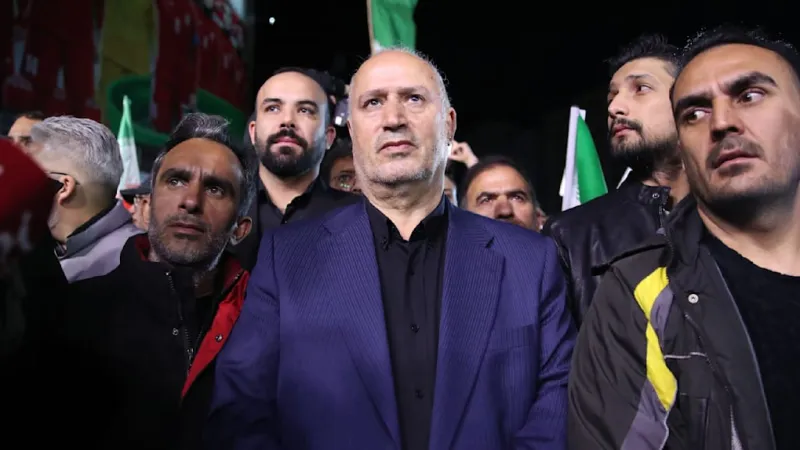
WASHINGTON, D.C. – Iran's football chief, Mehdi Taj, has leveled sharp criticism against U.S. authorities, alleging unspecified “atrocities” at airports and condemning stringent travel restrictions imposed on the national team during the ongoing World Cup. The unprecedented protocols permit Iranian players entry into the United States solely on match days, mandating their immediate return to designated World Cup quarters in Mexico following each game.
Tajs provocative statement underscores heightened geopolitical tensions impacting international sporting events. His remarks, made recently, cast a shadow over the spirit of athletic camaraderie typically associated with global tournaments, drawing attention to the intricate dance between sports and diplomacy.
The specific nature of the alleged “atrocities” remains undefined by Taj, leaving room for interpretation and fueling diplomatic speculation. However, his strong language highlights a profound discontent with the operational logistics governing the Iranian squads participation on U.S. soil.
The travel regimen, which necessitates immediate departure from the United States after competition, is highly unusual for a major international sporting event like the World Cup. It stands in stark contrast to the standard arrangements typically afforded to visiting teams, which often include periods for rest, training, and cultural engagement.
These restrictions are perceived by Iranian officials as discriminatory and potentially disruptive to player morale and performance. The constant back-and-forth travel between two nations, coupled with rigorous security checks, adds an extra layer of physical and psychological burden on the athletes.
The broader context of these travel measures is the long-standing, often fraught, diplomatic relationship between the United States and Iran. Instances of friction, such as when US Forces Down Iranian Drones, Citing Strait of Hormuz Threat, frequently underscore the delicate balance of power and distrust that characterizes their interactions.
For the Iranian national football team, navigating these complex political and logistical hurdles presents a unique challenge that other participating nations may not face. Their focus on the sport must contend with the realities of international politics, which dictate their movement and interaction with the host country.
Meanwhile, German national coach Julian Nagelsmann has also reported his own set of challenges while operating in the United States. He has openly struggled with the pervasive use and effects of air conditioning systems, an issue that, while minor in comparison to the Iranian teams woes, points to varied environmental adaptations required by international teams.
Nagelsmanns experience, detailed in World Cup tickers, highlights the diverse array of logistical and environmental considerations that teams must contend with when competing globally. From climate control to travel mandates, the path to athletic glory is often paved with unexpected obstacles.
U.S. authorities have yet to issue an official response to Tajs specific allegations regarding airport conduct or the general travel protocols. The silence further complicates the narrative, leaving the Iranian chiefs claims largely unanswered in the public discourse.
As the World Cup progresses, the Iranian teams ability to maintain focus and cohesion amidst such unique operational constraints will be closely watched. Their performance on the field will not only reflect athletic prowess but also resilience in the face of geopolitical complexities.
The tournament, meant to be a celebration of global unity and sporting excellence, thus becomes a microcosm of international relations, where political realities can profoundly influence the competitive landscape for participating nations like Iran. The stringent travel rules highlight how diplomatic strains can extend even to the realm of international sports.