 Stefani Rindus
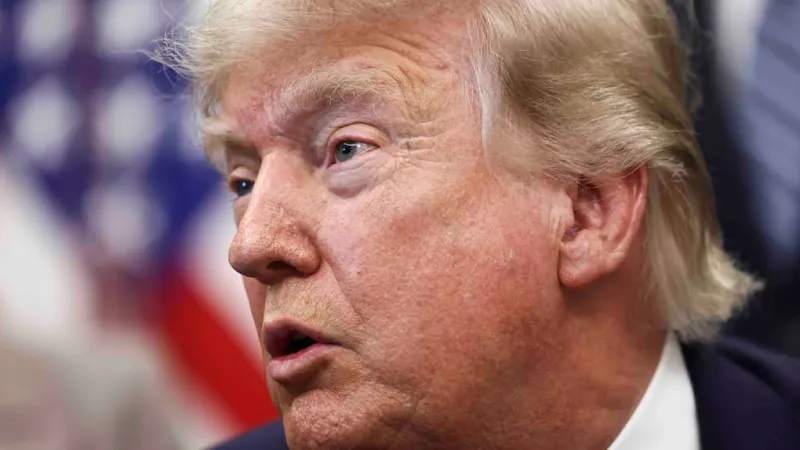
President Donald Trump on Saturday announced the death of Niño Guerrero, the elusive and brutal leader of the Venezuelan transnational criminal organization Tren de Aragua, following a swift strike by the United States military. The operation, a significant blow against organized crime in Latin America, was reportedly executed in close coordination with the Venezuelan government, according to the presidential statement.
The White House confirmed the successful execution of the mission, which targeted one of the region's most wanted figures. The statement did not provide specific details regarding the location or exact timing of the strike, focusing instead on the strategic victory against a pervasive criminal threat.
Niño Guerrero, whose real name is Hector Rusthenford Guerrero Flores, rose to notoriety as the supreme leader of Tren de Aragua, a gang that originated in Venezuelan prisons but rapidly expanded its operations across several South American nations. His death marks the culmination of extensive intelligence efforts and counter-narcotics strategies.
Tren de Aragua has become synonymous with a wide array of illicit activities, including drug trafficking, human trafficking, extortion, kidnapping, and illegal mining. The cartel's violent expansion has destabilized communities from Venezuela to Colombia, Peru, Chile, and even the United States, posing a complex challenge to regional security.
The organization’s modus operandi often involves exploiting vulnerable migrant populations, coercing them into forced labor or prostitution, and establishing extortion rackets along migration routes. This expansive reach and brutal efficiency made Niño Guerrero a high-priority target for international law enforcement agencies.
The involvement of the US military in a direct action operation targeting a high-value cartel leader in a region fraught with geopolitical complexities underscores the severe threat posed by Tren de Aragua. Such a mission typically requires intricate planning, advanced intelligence gathering, and precision execution to minimize collateral damage.
Crucially, the announcement highlighted the joint coordination with Venezuela. This aspect is particularly notable given the often-strained diplomatic relations between Washington and Caracas. The cooperation suggests a shared, if perhaps tacit, understanding of the existential threat posed by such powerful criminal entities, transcending political differences for specific security objectives.
Analysts suggest Guerrero's death could create a power vacuum within Tren de Aragua, potentially leading to internal strife or a restructuring of the cartel's leadership. However, the resilient nature of such organizations means that a new leader may emerge, requiring continued vigilance from regional and international authorities.
This operation fits within a broader context of US counter-narcotics efforts aimed at dismantling transnational criminal organizations that fuel instability and drug flows. President Trump has consistently emphasized a robust approach to combating international crime and securing American borders from illicit trade.
The elimination of Niño Guerrero sends a clear message to other cartel leaders operating with impunity across the hemisphere. It signifies the unwavering commitment of the United States to leveraging its capabilities to protect its interests and support regional partners in the fight against organized crime. The long-term implications for the drug trade and regional security will be closely monitored as authorities assess the aftermath of this significant strike.