Gabriella
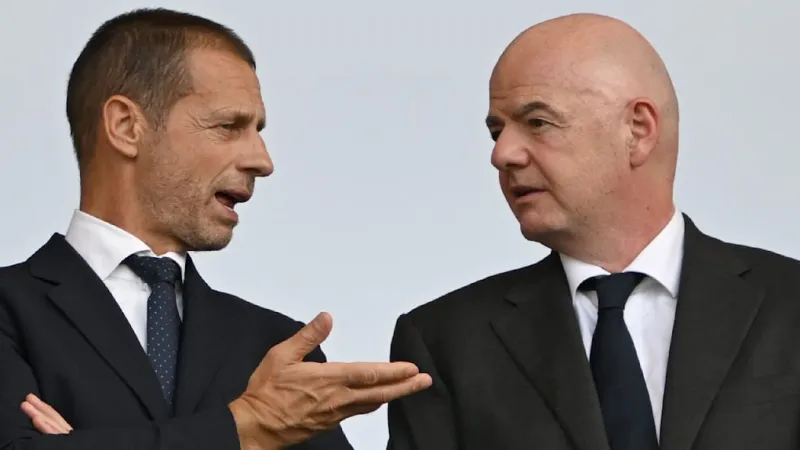
ZURICH – The Union of European Football Associations (UEFA) has reignited its threat to boycott the World Cup, citing a complete loss of confidence in FIFA President Gianni Infantino. This latest escalation follows Infantino's recent withdrawal from a controversial investor deal, further deepening the rift between global football's governing bodies.
The European governing body expressed profound distrust in Infantino, a sentiment that has reportedly intensified despite the FIFA President finding consistent support among his inner circle of loyalists. The current standoff marks a significant challenge to the unity of international football as preparations for future World Cup events continue into 2026.
The genesis of this renewed tension lies in a contentious investor deal, reportedly worth billions, which Infantino championed but ultimately withdrew. UEFA officials viewed the deal with skepticism, concerned about its transparency, potential impact on football's integrity, and the concentration of power within FIFA leadership.
UEFA's public declarations underscore a sustained power struggle that has characterized relations between the two organizations for several years. While FIFA seeks to globalize its commercial ventures and expand its reach, UEFA often champions the interests and established structures of European football, which traditionally holds significant economic and sporting clout.
The ramifications of a World Cup boycott by UEFA would be immense. European nations consistently produce some of the most dominant and popular teams in the tournament, drawing massive global viewership and sponsorship. Their absence would inevitably diminish the event's competitive quality and commercial appeal.
Financial analysts estimate that FIFA could face substantial revenue losses from broadcast rights, sponsorship agreements, and ticket sales if Europe's top footballing nations withdrew. Major broadcast networks and corporate partners often base their investments on the participation of teams from UEFA's robust leagues.
Beyond financial implications, a boycott would severely compromise the sporting integrity of the World Cup, tarnishing its reputation as the pinnacle of international football competition. The credibility of the tournament, already subject to scrutiny over various issues, would face an unprecedented blow.
The current impasse raises questions about effective governance within global sports. Dialogue between UEFA and FIFA leadership appears strained, with public statements indicating a lack of common ground rather than signs of reconciliation. This division highlights a broader challenge in balancing commercial ambition with sporting principles.
For the players, a World Cup boycott would represent a devastating blow, denying many the opportunity to compete on the sport's biggest stage. National teams, coaches, and support staff would endure years of preparation potentially culminating in a forced withdrawal, impacting careers and national pride.
Fan sentiment also hangs in the balance. Millions of supporters globally, particularly across Europe, anticipate the World Cup with fervor. A boycott would strip them of the chance to see their national heroes compete, potentially leading to widespread disillusionment with football's governing bodies.
This is not the first time such threats have surfaced, reflecting a pattern of deep-seated disagreements over commercial rights, calendar reforms, and the overarching direction of international football. Each instance further erodes trust and strains diplomatic channels.
The ongoing dispute places other continental confederations in a precarious position, forcing them to navigate a politically charged landscape between two powerful entities. Their support, or lack thereof, could significantly influence the long-term outcome of this governance crisis.
The year 2026, marking the current context, sees these tensions reaching a critical juncture. With major global events on the horizon, the stability and unity of football's ecosystem are under severe pressure, challenging the sport's ability to present a unified front.
As the situation unfolds, observers and stakeholders await a definitive resolution that either reconciles these powerful factions or reshapes the future landscape of global football. The threat of a World Cup boycott looms large, signaling a pivotal moment for the sport's highest authorities.
Ultimately, the ability of FIFA and UEFA to overcome their differences will determine not only the immediate future of the World Cup but also the long-term stability and credibility of professional football governance worldwide.