 Edward DP Situmorang
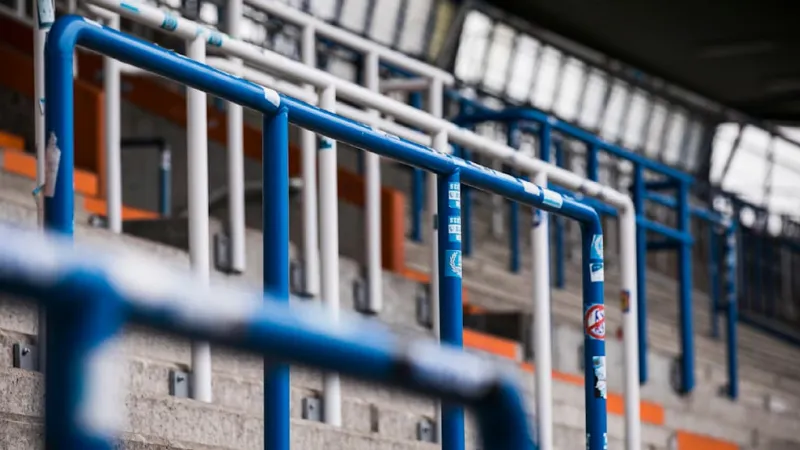
Bochum, Germany – Authorities have enacted an immediate prohibition on choreographed jumping within the Ost-Tribüne, the East Stand, of the VfL Bochum stadium. This decisive action, effective immediately, targets organized fan movements, citing concerns over a phenomenon known as the discomfort effect that could compromise spectator safety or structural stability.
The directive, issued by relevant regulatory bodies, stipulates severe repercussions for non-adherence. Should supporters fail to comply with the new regulation, the club faces the significant threat of a stadium section closure, impacting match attendance and fan experience.
This unexpected announcement has sent ripples through the Bundesliga club's passionate fanbase. The Ost-Tribüne is renowned for its vibrant atmosphere, frequently featuring coordinated chants and movements that are a hallmark of German football culture.
The discomfort effect, while not explicitly defined in public statements, typically refers to sensations of unease, motion sickness, or even a sense of instability experienced by individuals on structures subject to rhythmic vibrations. Such effects can arise from synchronous movements of large crowds, especially when sustained.
Experts in structural engineering often examine the resonant frequencies of large constructions, such as football stands. Synchronized jumping by thousands of fans can, theoretically, align with these frequencies, leading to amplified vibrations that, while not necessarily catastrophic, can cause discomfort and raise long-term safety questions for stadium integrity.
VfL Bochum officials have yet to issue a detailed statement regarding the specific incidents or assessments that led to this stringent measure. However, the immediate nature of the ban suggests a perceived urgency regarding the integrity or comfort levels within the designated stand.
Fan groups, traditionally central to the dynamic matchday experience at the Vonovia Ruhrstadion, are now grappling with the implications of this new restriction. Their ability to orchestrate the powerful visual and auditory displays that characterize German football support is significantly curtailed.
The club, currently navigating a competitive 2026 Bundesliga season, must now consider how this ban will affect home game ambiance and potentially, player morale. The unique energy generated by the Ost-Tribüne often provides a crucial home advantage that players and coaches frequently acknowledge.
Precedent for such bans exists in other European stadiums, where safety assessments have occasionally led to similar restrictions on fan behavior, particularly related to rhythmic movements. These measures are often taken proactively to avert potential issues rather than in response to an actual collapse or injury.
The wider implications extend beyond VfL Bochum, potentially prompting other German clubs and stadium authorities to re-evaluate their own fan safety protocols concerning mass choreographed movements. This incident could mark a turning point in how fan culture intersects with structural engineering and regulatory oversight in German football.
While the ban focuses specifically on choreographed jumping, it raises broader questions about the evolving relationship between fan expression and stadium management. Clubs must balance supporting passionate fan culture with ensuring the utmost safety for all attendees.
The immediate priority for VfL Bochum will be to communicate clearly with its supporters, explaining the rationale behind the ban and outlining any steps being taken to mitigate its impact on the fan experience, while strictly enforcing the new safety protocol.