 Angel Doris
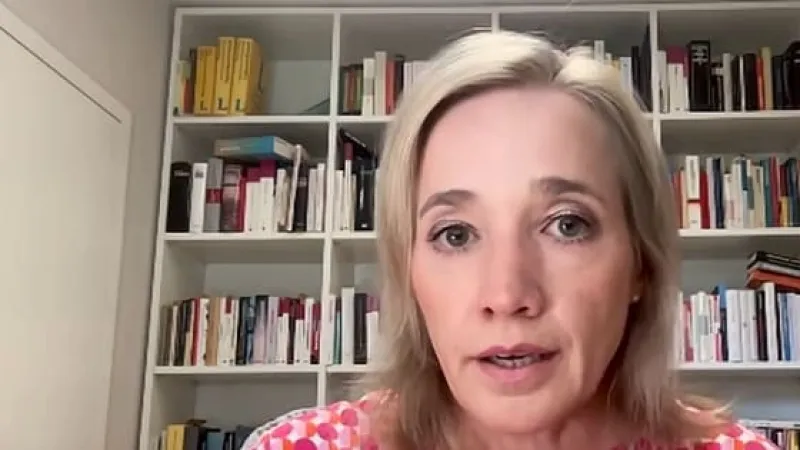
BERLIN – Nina Warken's appointment as the first female Chief of Staff in the German Chancellery marks a profound moment for Germany's political landscape, signifying a discernible shift in gender dynamics within its highest echelons of power. The landmark decision has prompted extensive discussion across the nation, with former Federal Minister Kristina Schroder offering her insights into the nuanced roles women often play in executive positions.
Warken, a member of the Christian Democratic Union (CDU), steps into a pivotal role traditionally held by men, one that demands astute political acumen and exceptional organizational prowess. Her ascendancy is seen by many as a powerful symbol of progress and an encouraging sign for broader female representation in German governance.
Kristina Schroder, who served as Germany's Federal Minister of Family Affairs, Senior Citizens, Women and Youth, reflected on the historical context and contemporary implications of such appointments. Speaking on the matter, Schroder observed, "Mostly they are the quiet managers of power," highlighting the often understated but crucial influence women wield from behind the scenes.
This perspective underscores a long-standing narrative within German politics, where female leaders, while increasingly visible, frequently operate with a methodical and less overtly confrontational style, effectively steering policy and administration without always claiming the loudest public voice.
Schroder emphasized that despite the historical significance of Warken's new role, individual merit remains paramount. She asserted, "In the end, personality counts, not gender." This statement resonates with a broader desire to move beyond gender as the primary lens through which leadership is evaluated, focusing instead on capabilities and character.
The Chancellery Chief serves as the closest confidant and chief administrative officer to the Chancellor, orchestrating the intricate workings of the government. This position demands not only strategic thinking but also an ability to navigate complex political currents and manage myriad departmental demands. Warken's tenure will undoubtedly face scrutiny, but it also opens avenues for redefining the role itself.
The appointment comes amid an ongoing national discourse about leadership and political stability. Discussions about potential shifts in Germany's political core, such as those alluded to in commentaries like Laschet Warns: Merz Ouster Could Shake Germany's Political Core, underscore the constant flux within Berlin's power circles.
Historically, women in German politics have navigated a challenging path, frequently encountering entrenched patriarchal structures and systemic barriers. While figures like former Chancellor Angela Merkel broke through the ultimate glass ceiling, the advancement of women into other high-level administrative and executive roles has been a more gradual process.
Observers note that the appointment of a female Chancellery Chief could inspire a new generation of women to pursue careers in public service, demonstrating that no office is beyond reach. It challenges conventional perceptions of power and leadership, encouraging a more inclusive vision for the nation's political future.
However, the work for true gender equity in German politics is far from complete. While high-profile appointments garner attention, persistent disparities in representation across all levels of government and within various political parties continue to be areas of concern and ongoing advocacy.
Nina Warken's role as the Chancellery Chief will be instrumental in shaping the daily operations and strategic direction of the government. Her presence in such a critical position offers a unique opportunity to influence policy development and decision-making from an executive vantage point.
The discussions sparked by this appointment are not confined to Germany alone. Across the globe, nations are grappling with the imperative of fostering diverse leadership. Germany's move resonates with a global trend towards recognizing and harnessing the full spectrum of talent available within its populace.
Ultimately, Warken's tenure will be judged not by her gender, but by her efficacy in supporting the Chancellor and managing the complex machinery of the German government. Nevertheless, her historic entry into this influential role irrevocably alters the optics of power in Berlin, signaling a future where leadership is increasingly seen through a more equitable lens.