Gabriella
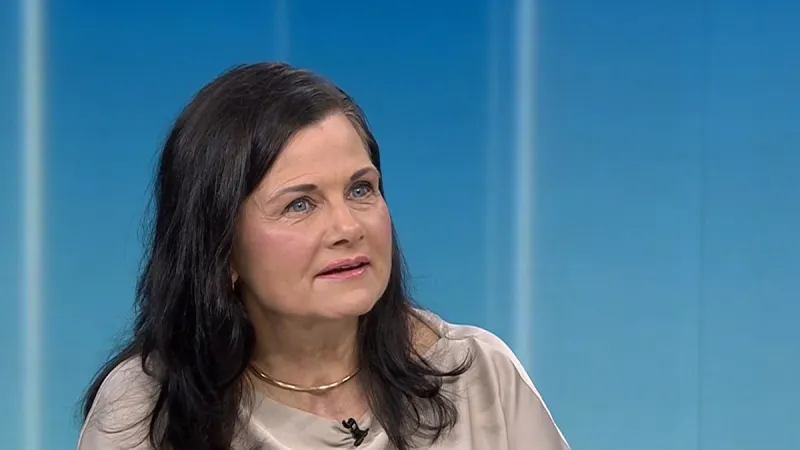
BERLIN – Gitta Connemann, Chairwoman of the Mittelstands- und Wirtschaftsunion (SME and Economic Union), recently articulated profound concerns regarding Germany's escalating skilled worker shortage, persistent bureaucratic hurdles, and the broader challenges confronting the nation's vital small and medium-sized enterprises. Speaking on the "WELT – Die Stimme am Morgen" program, Connemann emphasized the imperative for the government to implement robust incentives aimed at encouraging greater participation in the workforce.
The discussion underscored a critical juncture for the German economy, where the robust Mittelstand, often lauded as the backbone of the country's prosperity, faces mounting pressure from labor deficits. This shortfall threatens innovation, production, and Germany's competitive edge on the global stage.
Connemann pointed directly to a segment of the population, noting that there are those who could work, but do not. This assertion frames the debate not merely as a demographic challenge but also as a societal one requiring policy interventions to unlock latent labor potential.
To counteract this trend, the Chairwoman advocated for specific policy mechanisms. She highlighted the Aktivrente, or active pension, as a prime example of an initiative designed to integrate individuals who might otherwise remain outside the active labor market.
"We also try to set incentives to work. Think of the active pension," Connemann stated during her appearance, directly referencing a strategy that aims to make continuing employment or re-entry into the workforce financially attractive for older workers or retirees.
The concept of the Aktivrente typically involves reducing taxes or social security contributions for pensioners who choose to work, thereby increasing their net income and incentivizing continued economic participation. This directly addresses the skilled worker shortage by tapping into experienced demographic pools.
Beyond labor market dynamics, Connemann also tackled the pervasive issue of bureaucracy, a long-standing complaint among German businesses. Excessive red tape often stifles entrepreneurial spirit, slows down crucial projects, and diverts valuable resources from core business activities.
Streamlining administrative processes and reducing regulatory burdens could free up significant capacity for SMEs, allowing them to invest more in research, development, and employee training. Such measures are seen as fundamental to enhancing Germany's overall economic agility.
The Mittelstand's health is intrinsically linked to the nation's economic resilience. These enterprises, ranging from specialized manufacturers to local service providers, employ the majority of Germany's workforce and are disproportionately affected by the twin pressures of labor scarcity and administrative overhead.
Connemann's remarks reflect a growing consensus among German business leaders that proactive, structural reforms are indispensable. Merely acknowledging the skilled worker shortage is insufficient; tangible policy actions are required to mitigate the current challenges and secure future economic stability.
As Germany navigates an evolving global economic landscape, the recommendations put forth by the SME and Economic Union underscore a pivotal demand for governmental responsiveness. The effective implementation of initiatives like the Aktivrente and concerted efforts to reduce bureaucracy could prove crucial in maintaining the nation's economic dynamism.
Ultimately, the ability of Germany to address its skilled worker shortage and create a more business-friendly environment will determine its capacity to adapt and thrive against international competition, safeguarding its reputation as an industrial powerhouse.