 Dorry Archiles
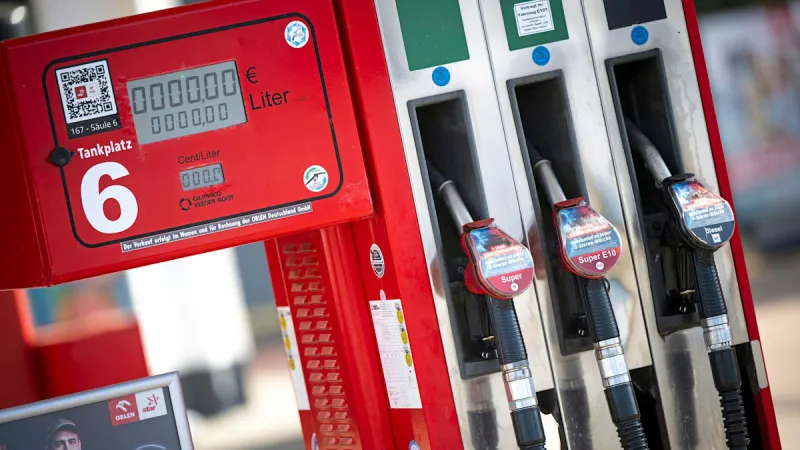
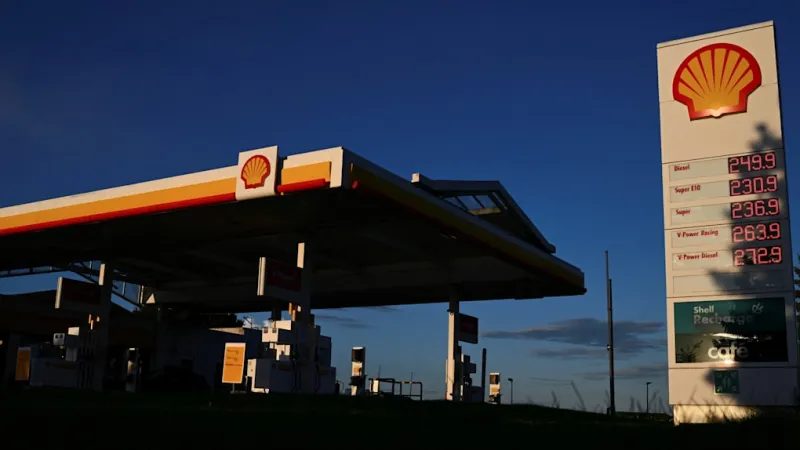
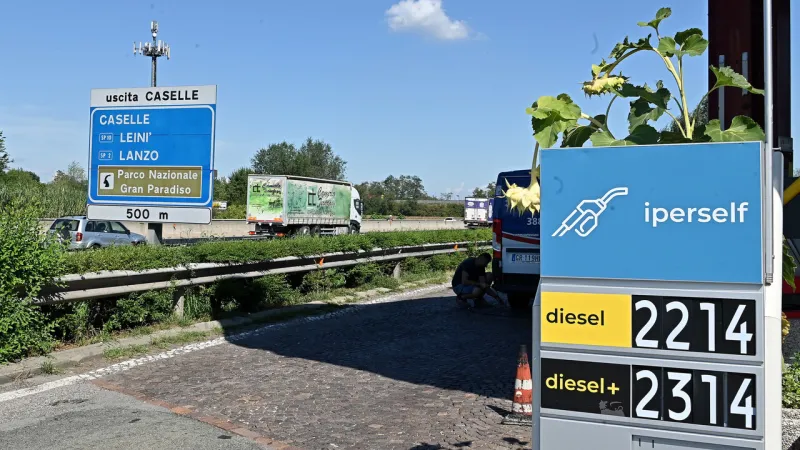
Germany is grappling with an unprecedented surge in fuel costs, as Super E10 gasoline prices have soared to a new record high of 2.215 Euros per liter in the nationwide daily average. This significant escalation directly follows a resurgence of the Iran conflict, injecting fresh instability into global energy markets and sparking widespread economic concern across the nation.
The increase marks a critical benchmark for German motorists and the broader economy. Surpassing previous peaks, the average price reflects not merely inflationary pressures but also the immediate and profound impact of geopolitical developments on essential commodities. The persistent upward trajectory has put considerable strain on household budgets and operational costs for businesses reliant on transportation.
The rekindling of the Iran conflict refers to intensified hostilities and diplomatic standoffs in the Middle East, a region pivotal to global oil supply. Escalations, which have involved a series of strategic maneuvers and counter-maneuvers, have created an environment of heightened risk for oil production and transit routes.
Of particular concern is the potential disruption to shipping lanes through the Strait of Hormuz, a critical choke point for a substantial portion of the world's crude oil supply. Any threat to this vital waterway immediately translates into speculative price hikes, as market participants factor in potential supply shortages. This scenario mirrors past anxieties, as documented in reports such as Strait of Hormuz Ablaze: Tankers Hit Mines, Tehran Threatens Sanctions, which highlighted similar vulnerabilities.
Economists warn that these elevated fuel prices will inevitably cascade through the economy, driving up inflation across various sectors. Transport costs for goods and services, from food distribution to manufacturing, are directly impacted, leading to higher consumer prices and potentially dampening economic growth.
For average citizens, the daily commute becomes more expensive, and discretionary spending may decline as more income is allocated to essential expenditures like fuel. Consumer confidence, already fragile in some areas, faces further erosion as financial anxieties deepen.
Policymakers and central banks are now confronted with a complex challenge. Efforts to curb inflation through monetary policy could inadvertently stifle economic activity, while inaction risks exacerbating cost-of-living crises. The balance between managing prices and supporting growth becomes increasingly precarious.
The global energy market is inherently interconnected, and events in one major producing or transit region have far-reaching consequences. Oil futures contracts respond almost instantaneously to geopolitical news, driving up prices even before any actual supply disruption materializes. This volatility underscores the market's sensitivity to perceived risks.
Historical precedents illustrate the profound impact of Middle Eastern conflicts on energy prices. Past oil crises, often triggered by regional instability, have demonstrated the capacity of such events to reshape global economic landscapes and prompt significant policy shifts. The current situation evokes a similar sense of caution and urgency among international observers.
While the immediate focus is on managing current price shocks, this crisis also serves as a stark reminder of the imperative to accelerate the transition to alternative energy sources. Investment in renewables and sustainable transport solutions gains renewed urgency as nations seek to reduce their vulnerability to volatile fossil fuel markets.
The transport and logistics sectors are particularly vulnerable. Airlines face increased operational costs, potentially leading to higher ticket prices. Haulage companies may pass on fuel surcharges to clients, further inflating prices throughout supply chains.
Even the tourism industry could feel the pinch, as higher travel costs deter potential vacationers, impacting a sector vital to many economies. The ripple effect extends to hospitality, entertainment, and related services, creating a widespread economic drag.
International bodies and major economies are closely monitoring the situation. Discussions among G7 nations and within the European Union are likely to intensify, focusing on strategies to stabilize energy markets and mitigate economic fallout. The long-term implications for energy security are a key talking point.
The path forward remains uncertain, heavily dependent on the trajectory of the Iran conflict and the broader geopolitical environment. Analysts suggest that sustained high prices could become the new norm if tensions persist, necessitating adaptive economic strategies from governments and industries alike.
As Super E10 fuel prices in Germany reflect a wider global anxiety, the interconnectedness of energy, geopolitics, and everyday economics has never been more evident. The nation, alongside international partners, watches keenly for developments that could either alleviate or intensify this critical economic pressure.