 Angela Stefani
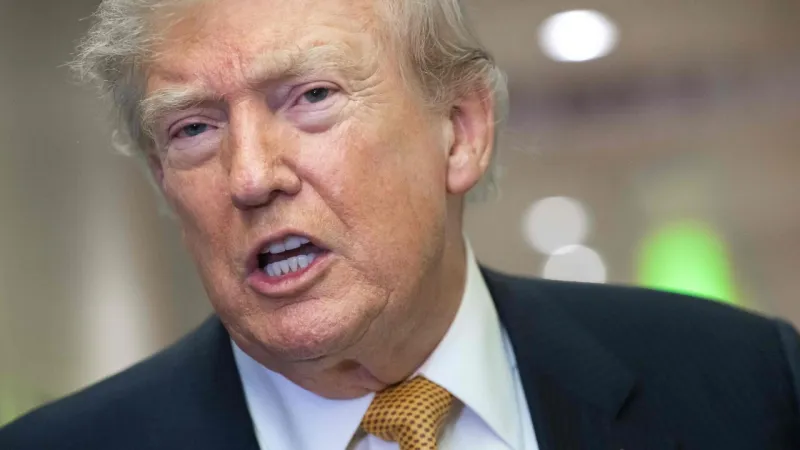
WASHINGTON – President Donald Trump is preparing to impose a new round of tariffs on an unspecified number of countries, with implementation expected to begin this week. The Financial Times first reported the impending economic action, signaling a potential escalation in the administrations protectionist trade agenda. This development marks a significant policy decision by President Trump, whose administration has consistently advocated for robust trade measures aimed at rebalancing global commerce.
The forthcoming tariffs are anticipated to affect dozens of nations, though the specific targets and the scope of the duties remain undisclosed. Economic analysts and international trade organizations are closely monitoring the situation, bracing for potential disruptions to supply chains and broader market volatility. The move underscores the administrations continued emphasis on leveraging trade policy to achieve perceived national economic advantages.
Details surrounding the precise goods and services that will be subject to the new levies are not yet public. However, historical precedents from President Trumps previous terms suggest a broad application, often targeting sectors deemed to be unfairly competing with American industries or those from countries with significant trade surpluses with the United States. Such actions have previously provoked retaliatory tariffs from affected nations.
Observers anticipate that the new tariffs could reignite trade disputes with key global partners, potentially leading to a complex web of economic countermeasures. The prospect of renewed trade tensions looms large, with implications for international relations and the stability of the global economic framework. Governments worldwide are likely preparing their responses to mitigate the anticipated impact on their respective economies.
The Financial Times report, while not detailing specific nations, indicates that the scope of these new tariffs will be substantial. This suggests a comprehensive strategy rather than isolated measures, reflecting President Trumps consistent stance on recalibrating international trade agreements and practices. The administrations approach prioritizes domestic manufacturing and seeks to reduce trade deficits.
Previous administrations have utilized tariffs as a tool for economic pressure, but President Trumps application has been notably broad and assertive. His economic advisors often argue that such measures are essential for protecting American jobs and industries from what they describe as unfair trade practices and currency manipulation by foreign entities. These arguments often underpin the administrations trade policy.
The announcement comes amidst a period of delicate global economic recovery and geopolitical shifts. The introduction of new trade barriers could introduce additional uncertainty into markets already navigating inflation, energy price fluctuations, and lingering effects of global health crises. Businesses, both domestic and international, will need to adapt quickly to the evolving trade landscape.
Industry leaders and trade associations in the United States have expressed a mixed range of reactions to past tariff impositions. While some lauded the administrations efforts to protect domestic sectors, others voiced concerns about increased costs for consumers, diminished competitiveness for exporters, and the complexities of navigating shifting international trade rules. The exact impact of these new measures will depend heavily on their final design and scope.
International bodies, such as the World Trade Organization, have often found themselves at the center of disputes arising from such unilateral tariff actions. The legitimacy and legality of these new tariffs under existing international trade agreements will likely be a subject of intense debate and potential legal challenges from affected nations. The long-term implications for multilateral trade governance are significant.
As the week progresses, more information is expected to emerge regarding the specific details of these tariffs, including the list of targeted countries and the effective dates. Stakeholders across various sectors are urged to remain vigilant and prepare for potential economic repercussions stemming from President Trumps latest foray into global trade policy. The world economy waits to see the full extent of this new measure.