 Chandra Wijayanto
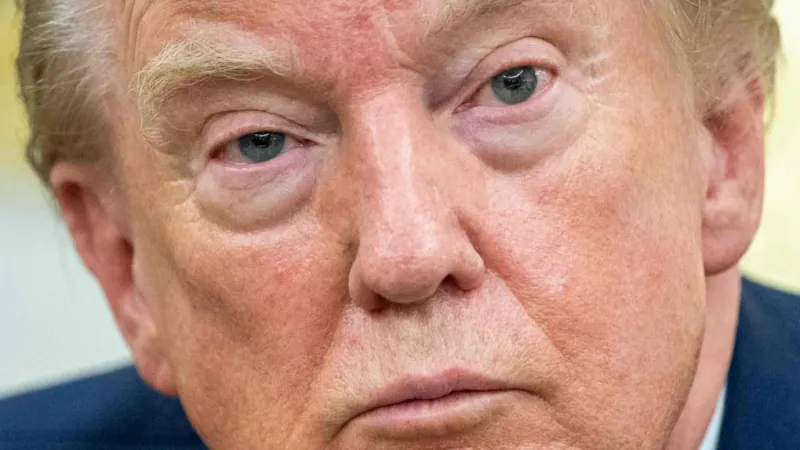
Tensions in the volatile Strait of Hormuz have dramatically escalated following two significant developments: President Donald Trump shared an image depicting the crucial waterway as American territory, concurrently with reports from the United Arab Emirates detailing rocket fire from Iran targeting areas near its borders.
President Trump's controversial post, disseminated across his social media channels, depicted a map distinctly outlining the entire Strait of Hormuz within United States boundaries. This digital declaration, made without official corroboration from diplomatic or defense departments, immediately sparked widespread international concern and speculation regarding its intent and implications for regional stability.
Simultaneously, the United Arab Emirates reported that rockets launched from Iranian territory had been fired in its general direction. While initial reports did not detail specific targets or any immediate damage or casualties, the incident underscores the heightened state of readiness and apprehension prevalent across the Gulf nations.
The Strait of Hormuz, a narrow passage connecting the Persian Gulf with the Arabian Sea, remains the world's most critical oil transit choke point. Approximately one-fifth of global oil consumption, alongside substantial volumes of liquefied natural gas, passes through this waterway daily, making any disruption a potential catastrophe for the global economy. Past incidents have consistently demonstrated its geopolitical sensitivity.
President Trump's visual claim on the strait is seen by many analysts as a provocative gesture, potentially aimed at asserting American dominance or signaling a more aggressive stance against Iran. Such a move could be interpreted by Tehran as a direct challenge to its sovereignty and regional influence, especially given the strait's proximity to Iranian coastlines.
The Iranian rocket fire, while its specific target and intent remain unclear, serves as a stark reminder of the Islamic Republic's military capabilities and its readiness to project power in response to perceived threats. This action follows a pattern of intermittent low-level confrontations and aggressive posturing that has characterized US-Iran relations for decades, particularly concerning the strategic waterway.
Regional observers are closely monitoring the situation, fearing a miscalculation by either side could rapidly spiral into a broader military confrontation. The Middle East remains a crucible of geopolitical rivalries, and actions by major powers are often met with reciprocal or preemptive measures by local actors.
Previous clashes and near-misses in the Strait of Hormuz have included instances of naval encounters, attacks on commercial shipping, and drone incidents. For further context on past hostilities in this vital passage, readers may refer to our article, Hormuz Boils: Iran Missiles and Trumps Territorial Claim Inflame Region, and another incident report, Projectile Strikes Ship in Hormuz Amid Iran-US Tensions; One Injured, which document the persistent fragility of peace in the area.
The timing of these events is also significant, occurring amidst ongoing international efforts to de-escalate tensions and navigate the complex geopolitical landscape of the Persian Gulf. Diplomatic channels, though often strained, are typically the preferred avenues for resolving such disputes, yet the recent actions suggest a departure from conventional engagement.
Analysts suggest that President Trumps map post could be a domestic political maneuver, aimed at solidifying his base or demonstrating strength on the international stage. Conversely, it could also be a deliberate test of Iran's resolve or a precursor to new policy initiatives aimed at containing Iranian influence in the region.
Regardless of the immediate intent, the simultaneous occurrences highlight the combustible nature of the region. The United States maintains a significant military presence in the Middle East, including naval forces in the Persian Gulf, precisely to safeguard maritime navigation and counter perceived threats to its interests and those of its allies.
The international community has repeatedly called for restraint from all parties involved, emphasizing the need for dialogue and adherence to international law to prevent further destabilization. The economic ramifications of any serious disruption to oil supplies through the Hormuz would be felt globally, impacting energy markets and consumer prices worldwide.
As the situation develops, governments and international bodies will undoubtedly issue statements and potentially initiate emergency consultations. The immediate future of peace and stability in the Strait of Hormuz hangs precariously on the measured responses of both Washington and Tehran, as the world watches for any further escalation.