 Chandra Wijayanto
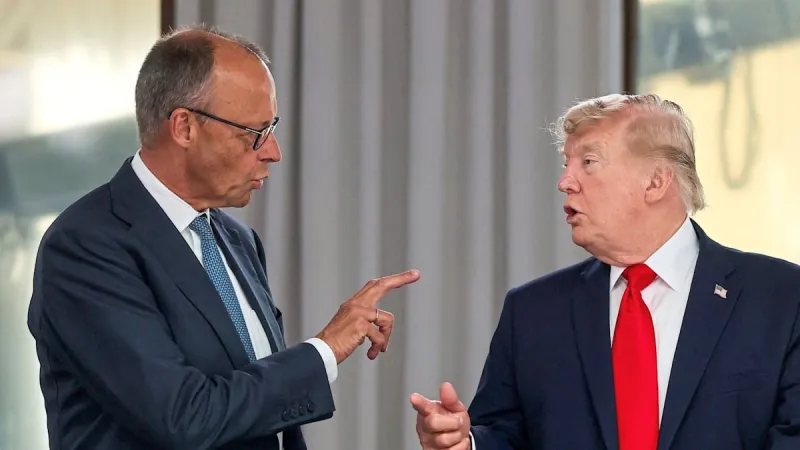
NATO Summit – President Donald Trump suggested at a recent NATO summit that the alliance should engage directly with Russian President Vladimir Putin regarding peace, claiming Putin desires an end to the conflict. This assertion arrived amidst ongoing discussions about bolstering Western defenses and maintaining a firm stance against aggression in Eastern Europe, particularly concerning Ukraine.
President Trump conveyed his perspective during a pivotal moment for the alliance, stating that "Putin wants peace, let us talk about it." His remarks introduce a potentially contrasting approach to the prevailing strategy of isolating Moscow, sparking immediate discussion among allied leaders.
The NATO summit, convened in 2026, serves as a crucial platform for member states to coordinate defense policies and respond to evolving global security threats. President Trump's comments underscore a persistent fault line within the alliance regarding the best path forward for stability.
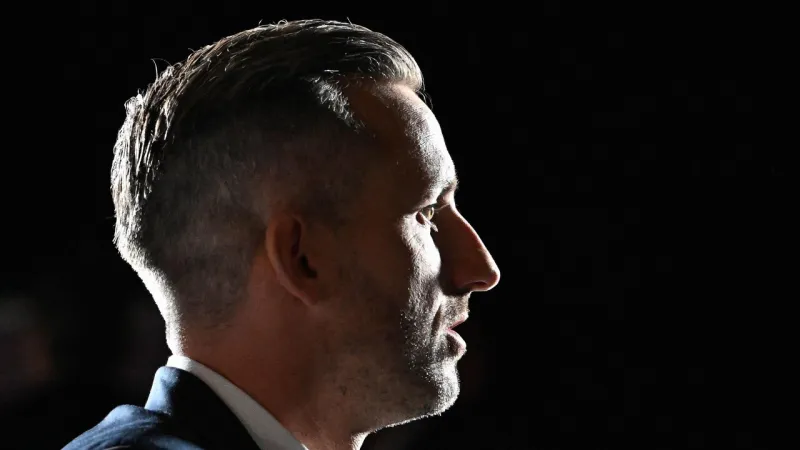
In immediate response, Dutch Prime Minister Mark Rutte issued a strong appeal for continued, unwavering support for Kyiv. Rutte emphasized the critical necessity of not abandoning Ukraine and highlighted the alliance's need for credibility concerning defense expenditures.
"Do not abandon Kyiv," Prime Minister Rutte declared, stressing the imperative of sustaining assistance to the embattled nation. He further underscored the importance of meeting defense targets, adding, "On 5% we must be credible, the average is already at 4%."
Prime Minister Rutte's comments reflect a broad consensus among many NATO members that robust defense spending and unwavering commitment to allies are paramount. His reference to the 5% target, and the current 4% average, indicates a push for heightened financial contributions to collective security.
President Trump's call for dialogue with President Putin, even as conflict persists, reignites a long-standing debate within Western capitals about the efficacy and timing of diplomatic engagement. It raises questions about whether such a move would be seen as a concession or a pragmatic step towards de-escalation.
This sentiment from President Trump stands in stark contrast to the sustained efforts by many NATO allies, including the Netherlands, to fortify Ukraine's defenses and provide continuous humanitarian and military aid. Prime Minister Rutte has consistently urged for sustained Ukraine aid as Putin grows desperate, reinforcing the alliance's resolve.
The President's remarks could be interpreted in various ways, potentially signaling a willingness to explore diplomatic off-ramps that some allies might view as premature or detrimental to Ukrainian sovereignty. It highlights the complex tightrope walk facing NATO leaders.
The discussions at the summit underscore the internal dynamics of NATO, where divergent approaches to foreign policy and security often surface. Balancing the need for a unified front with individual national interests remains a significant challenge for the alliance.
As the summit progresses, the focus remains on solidifying commitments to collective defense and addressing the multifaceted security landscape. The tension between calls for dialogue and the imperative of continued strength will undoubtedly shape future NATO strategies and pronouncements.
The statements by President Trump and Prime Minister Rutte encapsulate the dual challenge facing the alliance: presenting a united front against external threats while navigating differing views on engagement and burden-sharing.