 Debby Wijaya
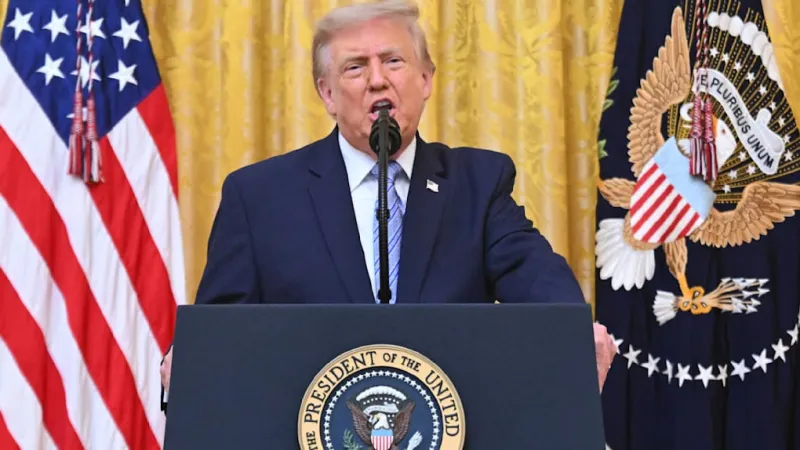
Washington, D.C. — President Donald Trump today delivered a forceful indictment against China, alleging the nation was responsible for the "greatest theft of election data" and simultaneously pointing to what he described as "shocking vulnerabilities" within the American election system. These pronouncements emerge mere months before the United States faces its crucial midterm elections in 2026. Concurrently, President Trump affirmed that the "fruits of labor" from the ongoing conflict with Iran would soon become apparent, signaling an anticipated decisive turn in regional hostilities.
The President's assertions regarding election data theft from China lacked immediate public substantiation, yet they underscore persistent concerns about foreign interference in democratic processes. His statement amplifies a contentious narrative surrounding election integrity that has characterized US political discourse for several years. The timing, so close to upcoming national polls, positions election security as a paramount issue for voters and policymakers alike.
The specific nature of the alleged "greatest theft of election data" remains undetailed by the administration. However, similar accusations have been made previously, prompting calls for heightened cybersecurity measures and rigorous investigations into potential state-sponsored breaches. Such claims invariably ignite debates over the resilience of the nation's digital infrastructure and the veracity of electoral outcomes.
Addressing the "shocking vulnerabilities" in the US election system, President Trump did not elaborate on specific weaknesses. Critics and advocates for election reform frequently highlight disparities in voting machine security, voter registration database integrity, and the potential for disinformation campaigns as areas requiring urgent attention. The President's remarks serve to intensify public scrutiny on these very issues as the midterm campaigns begin in earnest.
This is not the first instance President Trump has raised concerns about external threats to the American electoral process. His administration has consistently underscored the importance of national sovereignty and the protection of critical infrastructure from foreign adversaries. Past reports from intelligence agencies have also warned of attempts by various state actors to influence US elections through cyberattacks and propaganda. For background on previous claims, refer to President Trump Accuses China of Massive 2020 Election Data Breach.
Transitioning from domestic concerns to foreign policy, President Trump's declaration on Iran hints at a significant escalation or a pivotal moment in the long-standing tensions between Washington and Tehran. The phrase "fruits of labor" suggests a culmination of strategic efforts, potentially involving military operations or diplomatic breakthroughs.
The United States has engaged in a protracted period of confrontation with Iran, marked by sanctions, naval posturing, and targeted military actions in the region. Recent developments have seen heightened military activity, including documented strikes against Iranian infrastructure. For more details on recent actions, see US Strikes Rock Southern Iran: Bridges, Airport Targeted, Seven Dead and US Forces Strike Southern Iran Sixth Night, Targeting Key Infrastructure.
President Trump's pronouncement could signify an imminent announcement of a major policy shift, a significant military achievement, or the successful conclusion of covert operations. The implications for regional stability, particularly in the Persian Gulf and broader Middle East, remain profound. Neighboring nations and international allies will closely monitor any forthcoming actions or detailed explanations from the White House.
The dual focus on alleged Chinese cyber aggression and anticipated triumph over Iran paints a picture of a presidency acutely focused on national security, both at home and abroad. These statements are likely to shape foreign policy debates and galvanize discussions on America's geopolitical strategy.
While the specifics of the alleged data theft require formal verification and investigation, the President's public airing of grievances against China reflects an ongoing geopolitical rivalry. The accusations could strain diplomatic relations further, potentially impacting trade negotiations and international cooperation on other global issues.
Domestically, the emphasis on election vulnerabilities is poised to resonate deeply within the electorate. It places renewed pressure on state and federal agencies to demonstrate the integrity and security of the voting process. For many, ensuring the sanctity of the ballot box is a foundational element of democratic governance.
The rhetoric concerning Iran, on the other hand, sets an expectation for a definitive resolution to a prolonged and often volatile standoff. It raises questions about the administration's specific objectives and the metrics by which a "victory" will be measured, particularly given the complex and multifaceted nature of the conflict.
Both pronouncements, while distinct in their subject matter, are strategically timed to occur as the nation approaches a significant electoral cycle. They serve to reinforce the President's strong stance on national defense and his commitment to confronting perceived threats to American interests.
The international community, including allies and adversaries, will undoubtedly analyze these statements for their potential impact on global security architecture. The coming weeks will likely bring further details and reactions from affected nations and international bodies.
The President's remarks, therefore, transcend mere political commentary; they lay out a broad vision of his administration's priorities and challenges. From safeguarding democratic institutions to asserting global leadership, the implications of these declarations are far-reaching.