 Debby Wijaya
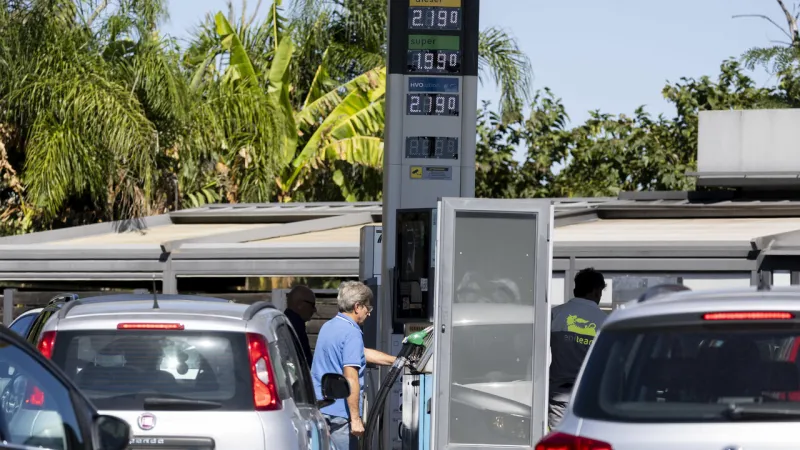
ROME – The Italian Ministry of Enterprises and Made in Italy (Mimit) announced a continued downward trend in national fuel prices, with Q8 joining other major retailers in adopting a voluntary fuel price cap. This pivotal development coincides with the extension of a significant diesel discount, slated to remain active until October 5, after which a system of mobile excises will be introduced to manage future price fluctuations.
The strategic move by Q8 underscores a broader industry response to governmental calls for greater price stability in the retail fuel market. As a prominent player in Italy's energy sector, Q8s participation is expected to bolster consumer confidence and mitigate the impact of volatile international oil markets on household budgets.
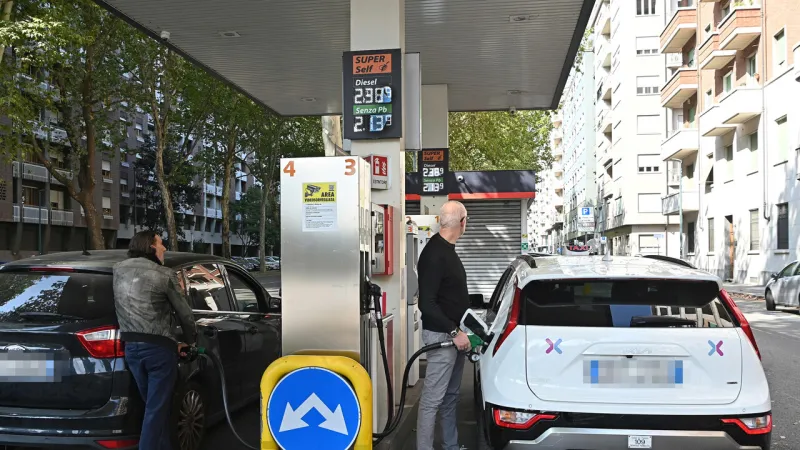
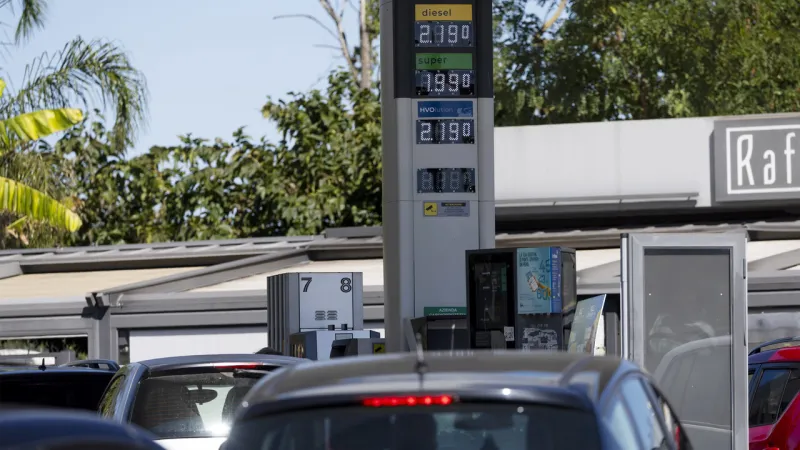
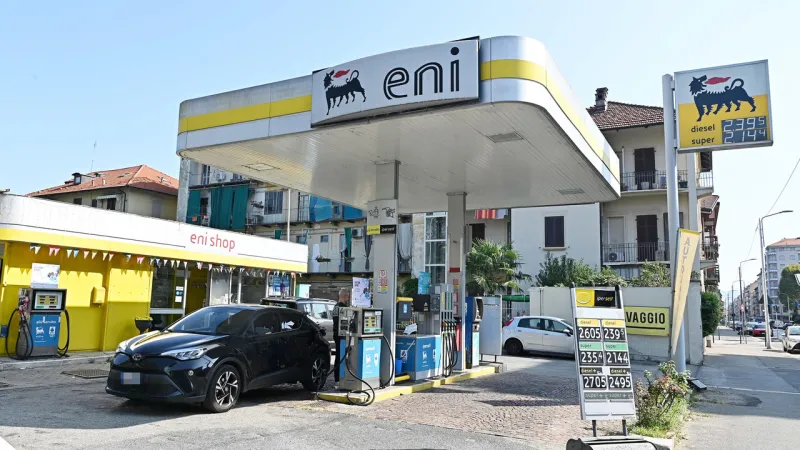
Mimit confirmed that fuel prices are indeed in a state of reduction. The Ministry stated, "Prices are falling, today self-service gasoline on the highway is below 2.2 euros, diesel at 2.383 euros." These figures represent a tangible relief for motorists across the country, particularly those reliant on diesel for commuting and commercial activities.
The diesel discount has been a critical measure in the government's efforts to curb inflationary pressures. Its extension until early October provides a temporary cushion for consumers and businesses alike, allowing them to benefit from reduced operational costs for a longer period than initially anticipated.
Following this extension, the government plans to transition to a system of mobile excises. This mechanism is designed to automatically adjust fuel taxes based on market prices, theoretically ensuring that prices remain within a reasonable band without necessitating ad hoc interventions. The aim is to create a more predictable and stable pricing environment.
The implementation of such price caps by major distributors like Q8, alongside government-backed discounts, reflects a concerted effort to shield the Italian economy from external shocks. Energy costs have historically played a significant role in Italy's inflation rates, making these interventions crucial for macroeconomic stability.
This initiative by Q8 is not an isolated event. Earlier, other major fuel companies, including Eni, also implemented their own price cap measures, signaling a growing trend within the industry to collaborate with government objectives. Such collective action reinforces the effectiveness of these policies in achieving widespread market stabilization. For more on previous measures, read Eni Implements Fuel Price Cap Amid Italian Market Fluctuations.
Consumer associations have largely welcomed these developments, viewing them as essential steps towards greater transparency and fairness in fuel pricing. The direct impact on the cost of living for millions of Italians cannot be overstated, especially as the nation navigates a complex global economic landscape.
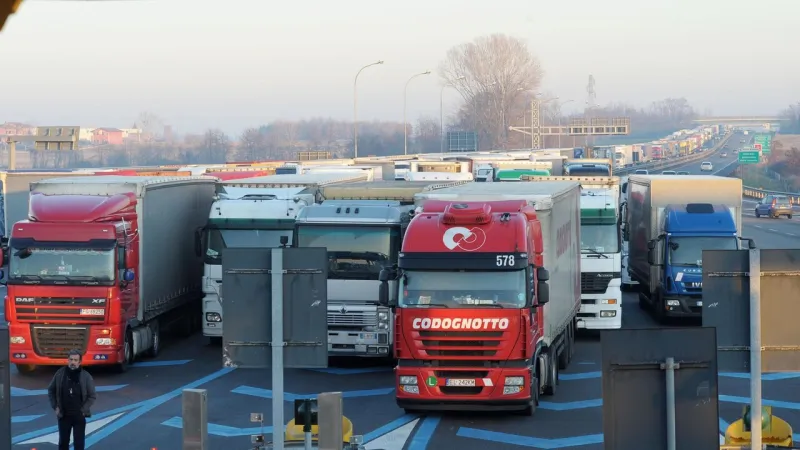
The transport and logistics sectors, heavily reliant on diesel, stand to gain considerably from the extended discount and the overall stabilization of prices. Reduced fuel expenses can translate into lower operating costs, potentially preventing price increases for goods and services across the supply chain.
The long-term efficacy of mobile excises will be closely monitored. While designed for flexibility, their success hinges on accurate market forecasting and efficient governmental response to global oil price shifts. The system aims to be a proactive tool rather than a reactive measure.
Government officials have emphasized their commitment to supporting citizens and businesses through sustained efforts to manage energy costs. The balance between market liberalization and strategic interventions remains a delicate act, constantly recalibrated in response to domestic needs and international dynamics.
As the October 5 deadline approaches, public attention will likely shift towards the practical application of the mobile excises. The coming weeks will provide a clearer picture of how this new phase of fuel price management will unfold and its ultimate effect on Italian consumers.