 Debby Wijaya
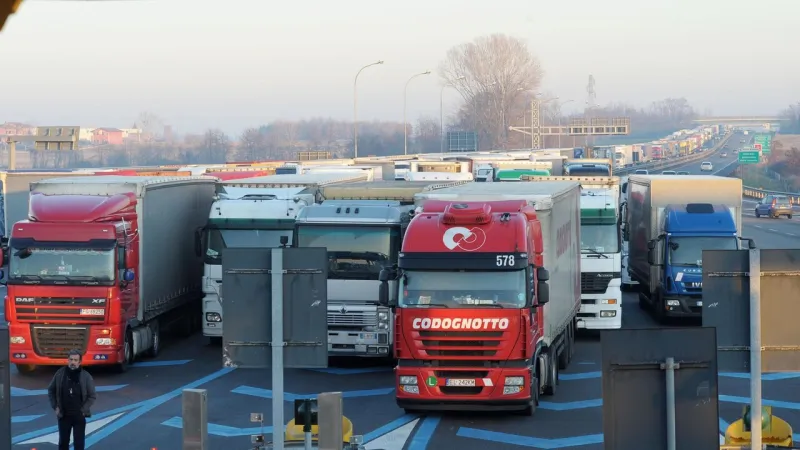
Truckers across Sicily commenced a five-day strike on October 16, extending through October 20, 2026, effectively paralyzing port operations across the island. The action stems from the Comitato Autotrasportatori Siciliani (Sicilian Truckers Committee) claiming a complete lack of official response from the Italian government regarding their pressing concerns, leading to an island-wide cessation of freight movement.
The Committee's spokesperson confirmed the severe impact of the ongoing industrial action. “We have received no response from the government, and there is no movement in the ports,” the spokesperson stated, underscoring the impasse that precipitated the widespread disruption.
This concerted effort by Sicilian truckers highlights persistent economic challenges facing the transport sector. The Committee's grievances, while not fully detailed in initial statements, typically revolve around escalating operational costs, fuel prices, taxation, and issues pertaining to road infrastructure and fair competition.
The strike, strategically planned to run for nearly a full working week, is expected to have significant repercussions on Sicily's economy. The interruption of goods movement through its vital ports will undoubtedly affect supply chains for various industries, from agriculture to retail, potentially leading to shortages and price increases for consumers.
Concerns over rising costs for transporters have been a recurring theme in Italy. Just recently, the nation grappled with surging fuel prices, with diesel nearing 2.5 Euros on highways, a situation that has exacerbated financial pressures on businesses reliant on road transport. Relatedly, the Italian government has explored measures such as expanding fuel price caps amid rising costs, indicating a broader recognition of these sector-specific challenges.
The Comitato Autotrasportatori Siciliani had reportedly attempted dialogue with government officials prior to the strike. Their decision to halt operations suggests these overtures were met with silence or insufficient proposals, pushing the truckers to resort to direct action to amplify their demands.
This is not an isolated incident within Italy's transportation landscape. The country has witnessed various forms of industrial action from transport workers in recent years, often protesting similar economic burdens. The ongoing nature of these disputes underscores a systemic challenge within the nation's logistics sector.
The economic implications extend beyond immediate supply disruptions. Long-term impacts could include deterring investment in regional logistics if such instability becomes a frequent occurrence, further hindering Sicily's economic development.
Authorities have yet to issue a formal response to the Committee's latest action, fueling frustration among the striking truckers. The absence of a clear communication channel between the government and the transport associations appears to be a critical factor prolonging the current standoff.
As the strike progresses through its designated period, both local businesses and the general public will keenly observe developments, hoping for a swift resolution. The Comitato remains steadfast in its position, indicating that the cessation of port activities will continue until October 20 unless a substantive governmental engagement materializes.
The situation remains fluid, with potential for either a mediated agreement or an escalation of the dispute if the government continues its perceived silence. The coming days are critical for both the Sicilian truckers and the broader Italian economy.
For additional context on related economic pressures in the transport sector, readers may consult articles such as Italian Fuel Prices Surge: Diesel Nears 2.5 Euros on Highways and Italy Expands Fuel Price Caps Amid Rising Costs, Taxi Strike Looms.