 Dorry Archiles
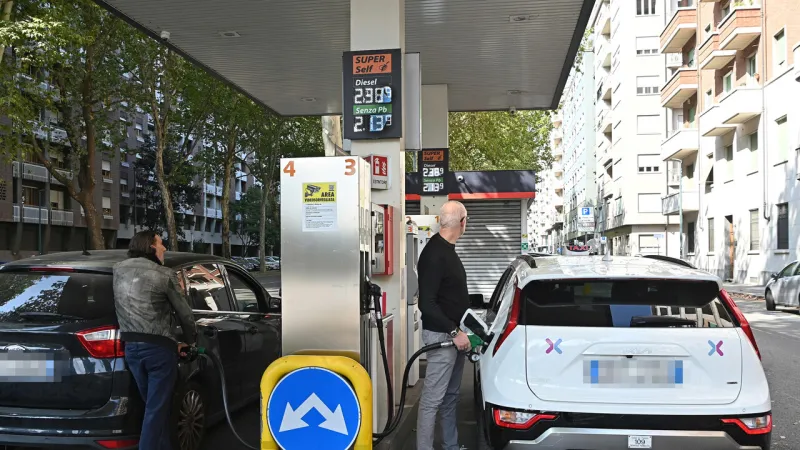
ROME – Italian consumers and transporters face a turbulent week as energy company Socar announced the progressive application of fuel price limits across its IP network, aiming to temper escalating costs. This development comes as Eni prepares to introduce its own fuel discount starting tomorrow, while a significant segment of taxi drivers has threatened a nationwide strike in response to recent price surges, highlighting a growing public outcry over the cost of living.
The announcement from Socar marks a concerted effort to stabilize a volatile market. The Swiss-based energy giant, which acquired Italy's historic IP network in 2017, affirmed its strengthening commitment to the Italian market, indicating that the price caps are part of a broader strategy to support consumers amidst inflationary pressures.
Details surrounding the implementation of these limits remain somewhat fluid, with Socar stating they will be applied progressively. This phased approach suggests a careful rollout, potentially to monitor market reactions and ensure smooth integration without disrupting supply chains or overwhelming individual stations.
Concurrently, Italian energy major Eni is set to launch its own initiative to ease the burden on motorists. Its promised discount, slated to begin tomorrow, represents a direct commercial response to the current economic climate and competitive landscape. Such moves by major players often signal a broader industry acknowledgment of the public's financial strain.
The urgency for these measures is underscored by the escalating unrest within the transport sector. Taxi drivers, a highly visible and vocal segment of the professional driving community, have issued a stern warning: a nationwide strike looms if immediate action is not taken to mitigate the impact of rising fuel expenses on their livelihoods. Their grievances reflect a broader struggle faced by many small businesses and independent operators.
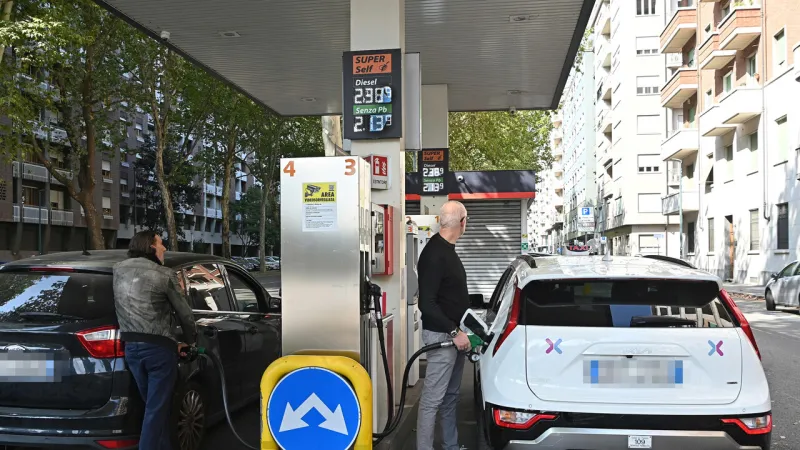
This sentiment is not new. Italy has consistently grappled with some of the highest fuel prices in Europe, a situation exacerbated by a combination of international crude oil costs and substantial domestic taxation. Recent reports have highlighted the alarming trend, with Italian Fuel Prices Surging, Diesel Nearing 2.5 Euros on Highways, placing immense pressure on both private citizens and commercial enterprises.
The government has found itself in a challenging position, frequently navigating the tightrope between fiscal responsibility and public demand for relief. Previous attempts to stabilize prices or provide subsidies have often led to spirited debates among Italian Parties Clashing Over Fuel Prices and economic policy.
Beyond the immediate relief, analysts are scrutinizing whether these measures represent a sustainable solution or merely a temporary reprieve. The progressive nature of Socar's caps and Eni's discounts might offer short-term comfort but do not address the fundamental volatility of global energy markets or Italy's structural reliance on imported fossil fuels.
Transport associations, while welcoming any relief, have emphasized the need for comprehensive, long-term strategies. They advocate for broader discussions on fuel taxation, infrastructure development, and incentives for more fuel-efficient or alternative-energy vehicles to build resilience against future price shocks.
The impending taxi strike, if it materializes, could cause significant disruption in urban centers across Italy, affecting commuters, tourists, and the wider service economy. It serves as a potent reminder of how critical fuel costs are to the nation's daily functioning and economic stability.
Public opinion polls consistently show fuel costs as a top concern for Italian households, often ranking alongside inflation and unemployment. The actions by Socar and Eni, therefore, are not just commercial decisions but also responses to intense public and political pressure to act decisively.
The government, while not directly mandating these company-specific price limits or discounts, closely monitors market developments. Any widespread unrest or economic slowdown linked to fuel prices could compel intervention, such as further cuts to excise duties, though such measures carry significant fiscal implications.
Socar's stated intention to strengthen its commitment to Italy through these measures is strategic, positioning the company as a responsive corporate citizen. This could enhance brand loyalty and market share in a highly competitive sector, especially if rivals do not follow suit with similar consumer-friendly policies.
Eni's discount program will likely target specific customer segments or loyalty card holders, a common practice designed to retain existing clientele and attract new ones in a price-sensitive market. The specifics of its rollout will be keenly watched by both consumers and competitors.
The taxi unions, in their demands, are seeking not just temporary price reductions but also a commitment to more stable and predictable operating costs. Their proposed strike aims to force a dialogue that addresses the systemic issues making their profession increasingly precarious.
International crude oil prices, influenced by geopolitical events and global supply-demand dynamics, remain the primary external driver of Italy's domestic fuel costs. While national policies can mitigate some impacts, the larger global picture continues to dictate much of the pricing structure at the pump.
As Italy navigates this latest challenge, the interplay between corporate responsibility, consumer advocacy, labor rights, and government policy will determine the immediate future of its energy landscape. The coming days will reveal whether these new measures are sufficient to quell public discontent and avert widespread transport disruption.