 Edward DP Situmorang
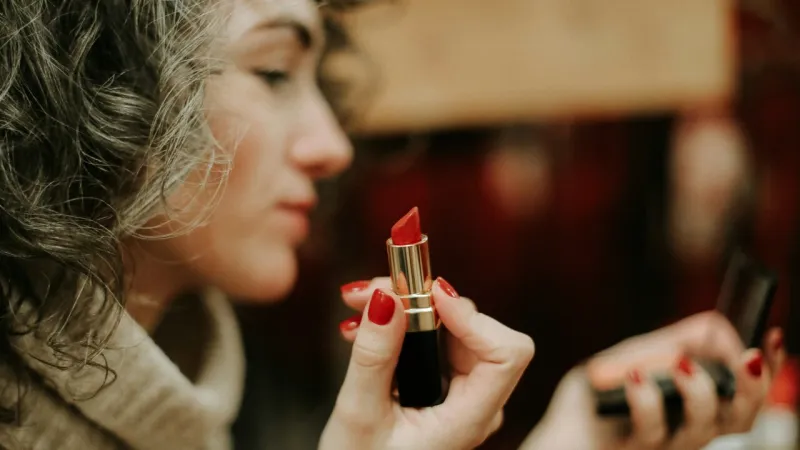
NEW YORK – On Lipstick Day, celebrated annually, the humble cosmetic once again draws attention not just for its aesthetic appeal but for its intriguing role as an economic barometer, often signaling consumer behavior during periods of fiscal uncertainty. What has become known as the Lipstick Effect suggests that sales of this affordable luxury tend to rise when the broader economy falters, a phenomenon particularly observed in times when consumers curb spending on big-ticket items.
The global lip care market, encompassing more than just lipstick, reached an impressive 17.5 billion dollars, reflecting an enduring demand for products that offer a sense of indulgence without a significant financial commitment. This resilience underscores the power of small luxuries in maintaining morale during challenging times.
The history of lip adornment stretches back over 5,000 years, with early forms originating from mineral powders and crushed gemstones used by ancient civilizations to color their lips. From these rudimentary beginnings, lipstick evolved into a staple of modern beauty, symbolizing glamour, rebellion, and self-expression across various cultures and eras.
The term Lipstick Effect was popularized by Leonard Lauder, chairman emeritus of Estee Lauder Companies, following the 2001 recession. He observed a noticeable increase in lipstick sales even as other sectors of the economy struggled. His theory proposed that when consumers face economic stress, they forgo expensive purchases like cars or homes, opting instead for smaller, mood-boosting treats.
This psychological pivot towards affordable luxuries provides a temporary escape and a feeling of control, even amidst widespread economic anxieties. A new tube of lipstick, unlike a new car, represents a manageable expenditure that can still deliver a significant emotional lift and perceived value.
While the Lipstick Effect remains a compelling narrative, economists and market analysts continue to debate its absolute predictive power. Some argue that other factors, such as shifting beauty trends, demographic changes, and the rise of e-commerce, also significantly influence cosmetic sales, making it challenging to isolate the effect of economic downturns alone.
Nonetheless, the beauty industry often demonstrates remarkable fortitude during economic contractions. Consumers might downsize their entire wardrobe budget, yet a carefully chosen lipstick shade remains an accessible and effective way to refresh ones appearance and boost confidence. This trend extends beyond just lipstick, encompassing other small personal care items and accessories that serve a similar purpose.
During times of economic pressure, such as those that have defined parts of 2026, the spending patterns observed in the beauty sector offer valuable insights. While grand gestures of consumption may recede, the market for products like lipstick often holds firm, reflecting a fundamental human desire for self-care and personal presentation.
Indeed, lipstick is more than just a cosmetic; it is a cultural artifact steeped in history and social significance. It has been used to signify status, political affiliation, and personal freedom. Its enduring appeal across millennia highlights its deep-seated role in human expression.
Companies in the cosmetics sector strategically adapt their offerings during fluctuating economic cycles. They might introduce more affordable lines, focus on classic shades, or emphasize the long-lasting value of their products to appeal to budget-conscious consumers seeking quality and utility.
The phenomenon of the Lipstick Effect also draws parallels with other shifts in consumer behavior during recessions. For instance, while high-value purchases like luxury jewelry often see sharp declines – a trend highlighted in reports such as Gold Prices Soar, Global Jewelry Demand Plummets 23% – the market for smaller, accessible indulgences remains robust. This divergence illustrates a re-prioritization of discretionary spending.
Looking ahead, the longevity of the Lipstick Effect suggests that it will likely continue to manifest in future economic environments. The inherent human need for self-adornment and psychological comfort through small, tangible means appears to be a consistent driver of consumer behavior, irrespective of broader fiscal conditions.
As Lipstick Day is celebrated globally, it serves as a dual reminder: a vibrant tribute to a timeless beauty product and a subtle yet potent indicator of how society navigates financial tides through its everyday choices.