Gabriella
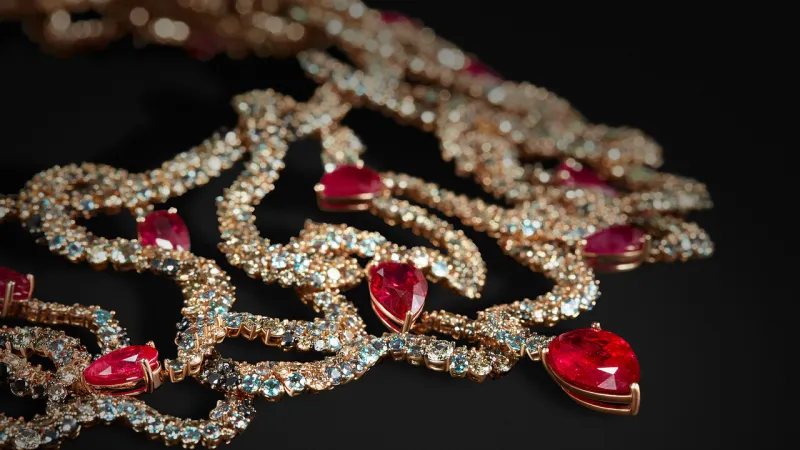
GENEVA – The global jewelry industry is grappling with a steep decline in consumer demand, experiencing a 23% year-over-year plummet as soaring gold prices fundamentally reshape the market. This significant contraction, observed over the past twelve months, has compelled manufacturers and retailers worldwide to reassess strategies amidst an unprecedented economic environment for luxury goods.
The dramatic reduction in purchasing follows a period of sustained high valuations for the precious metal, making gold jewelry significantly more expensive for the average consumer. Industry analysts attribute this downturn directly to the escalating cost of raw materials, which translates into higher retail prices for finished pieces.
For many jewelers, adapting to this new reality means prioritizing design innovation and efficiency. Manufacturers are increasingly producing lighter jewelry pieces, requiring less gold per item, to maintain more accessible price points and appeal to a cost-conscious clientele. This shift allows them to mitigate some of the impact from the elevated price of gold.
This trend extends beyond just design; it reflects a broader strategic pivot within the sector. Companies are exploring alternative alloys and more intricate designs that offer perceived value without relying solely on gold's weight. The objective is to sustain market interest even as the core material becomes a luxury commodity for investment rather than everyday adornment.
Market reports indicate that while investment in gold bullion continues to see robust interest, particularly as a safe-haven asset amidst geopolitical uncertainties, the discretionary spending on gold jewelry has suffered. This bifurcation highlights a crucial distinction in how gold is perceived and utilized across different market segments.
The impact is not uniform across all regions. Emerging markets, where disposable income might be more sensitive to price fluctuations, are reportedly experiencing steeper declines in jewelry purchases compared to more established luxury markets. However, even traditional strongholds of jewelry consumption are feeling the pinch.
Experts suggest that the current scenario prompts a re-evaluation of marketing strategies. Instead of emphasizing karat weight, brands are focusing on craftsmanship, unique designs, and the emotional value of jewelry. This represents a long-term strategic recalibration for an industry traditionally rooted in intrinsic material worth.
Historically, periods of high gold prices have often correlated with shifts in consumer behavior within the jewelry sector. The current surge, driven by a complex interplay of inflation concerns, interest rate policies, and global instability, is proving to be one of the most significant challenges in recent memory.
One related development underscores the severity of this shift: reports have previously indicated that Soaring Gold Prices Decimate Global Jewelry Demand by 23%. This earlier analysis further solidifies the current findings and emphasizes the sustained pressure on the market.
Looking ahead, industry analysts project continued volatility in gold prices, which will likely keep the pressure on jewelry demand. Companies that successfully innovate in design, production, and marketing, offering compelling value propositions beyond sheer material cost, are best positioned to navigate these challenging waters.
The adaptation includes optimizing supply chains and exploring responsible sourcing to add another layer of value for consumers who are increasingly conscious of ethical practices. This holistic approach is becoming essential for maintaining brand integrity and consumer trust in a volatile market.
Retailers are also experimenting with innovative retail models, including personalized shopping experiences and virtual try-ons, to enhance engagement and justify luxury price points. These digital transformations aim to counter the reluctance to spend on high-ticket items by creating a more compelling purchase journey.
Ultimately, the future of the global jewelry market hinges on a delicate balance between the intrinsic value of gold and the perceived value of design and craftsmanship. As gold prices maintain their elevated trajectory, the industry's ability to pivot and innovate will dictate its resilience.