 Angela Stefani
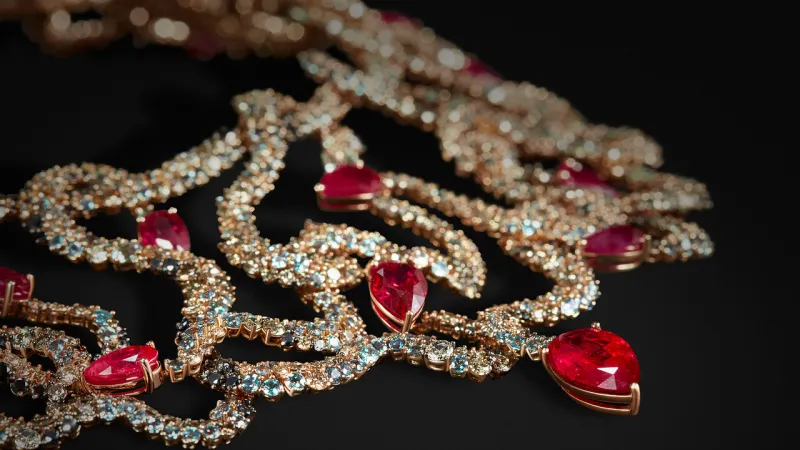
The global jewelry market faces significant headwinds, as demand for precious adornments plummeted by an alarming 23% over the past year. This sharp contraction, driven by persistently high gold prices and broader economic uncertainties, is forcing consumers and manufacturers alike to reconsider traditional purchasing and production strategies.
Industry reports indicate that the substantial decline marks one of the most pronounced downturns in recent memory for the luxury sector. Consumers worldwide are either delaying discretionary purchases or opting for less expensive alternatives, fundamentally reshaping the landscape of a centuries-old industry.
The primary catalyst for this slump is the meteoric rise in gold prices. The precious metal has consistently broken historical records, propelled by its status as a safe-haven asset amidst geopolitical instability, persistent inflation concerns, and significant central bank acquisitions throughout 2025 and into 2026.
In response, jewelers and manufacturers are innovating to retain market share. A notable trend involves the production of lighter, more delicate pieces that use less gold, thereby offering a more accessible price point for consumers. This strategic shift aims to mitigate the impact of rising raw material costs without entirely abandoning the precious metal.
Consumers, in turn, are becoming more discerning. Instead of purchasing heavier, more elaborate items, many are now favoring smaller, more understated jewelry or even exploring alternative materials. The emphasis has shifted from sheer weight to design and craftsmanship within a defined budget.
"The market is recalibrating," stated a leading analyst in a recent industry brief. "High gold prices inevitably lead to price sensitivity among buyers. We are seeing a pivot towards value-conscious choices, where the perceived worth of a piece is detached from its gold content alone." This underscores a fundamental challenge to traditional perceptions of luxury.
Historically, periods of elevated gold prices have always exerted pressure on jewelry demand. However, the current confluence of factors—including global economic slowdowns in several key markets—suggests a more complex and prolonged adjustment period than previously observed.
While the downturn is global, its effects are uneven. Major gold-consuming regions like India and China, where gold holds significant cultural and investment value, have particularly felt the brunt. Economic slowdowns and changing consumer habits in these crucial markets amplify the overall global impact.
It is important to distinguish between gold as an investment commodity and gold as a component of jewelry. While investment demand for gold may remain robust due to its safe-haven appeal, consumer-driven jewelry demand is far more sensitive to price fluctuations and disposable income levels.
Industry forecasts suggest that without a significant correction in gold prices or a dramatic upturn in global economic prosperity, jewelry demand is likely to remain subdued through 2026. Companies that adapt quickly to evolving consumer preferences for value and design will be best positioned to weather the storm.
This contraction in the jewelry sector is emblematic of broader economic pressures affecting discretionary spending across various industries. Reports of declining consumer confidence in several developed nations indicate a widespread tightening of household budgets. This aligns with broader discussions about the global economic landscape, as seen in analyses of market shifts and valuations, for instance, how tech giants like Apple Approaches $5 Trillion Valuation, Trails Only AI Titan Nvidia.
For individuals still looking to purchase gold jewelry, industry experts offer several pieces of advice. Understanding the purity of gold (karats), researching reputable dealers, and comparing prices across different retailers can help ensure a wise investment. Consumers are encouraged to prioritize certification and transparency in their purchases.
The shift towards lighter designs also presents challenges for traditional artisans and craftspeople, who often specialize in more substantial pieces. They must now adapt their skills to meet new market demands, balancing artistic integrity with economic viability.
A potential recovery hinges on several variables, including stabilization of commodity markets, a decrease in global inflation, and renewed consumer confidence. Until then, the gold jewelry sector must continue its innovative pivot to lighter, more cost-effective creations.
The current climate represents a pivotal moment for the gold jewelry industry, compelling a reevaluation of production, marketing, and consumer engagement strategies in an era of unprecedented precious metal valuations.