 Angela Stefani
PARIS and LONDON are advancing plans to bolster security in the strategically vital Strait of Hormuz, a move that has been met with immediate and forceful condemnation from Iran, which views such actions as direct provocations. French President Emmanuel Macron confirmed a "positive development" following "constructive discussions" with the Sultan of Oman, signaling a coordinated effort by European powers to safeguard one of the worlds most critical shipping lanes. Tehran, however, has explicitly rejected any international participation in mine-clearing operations within the strait, heightening regional tensions.
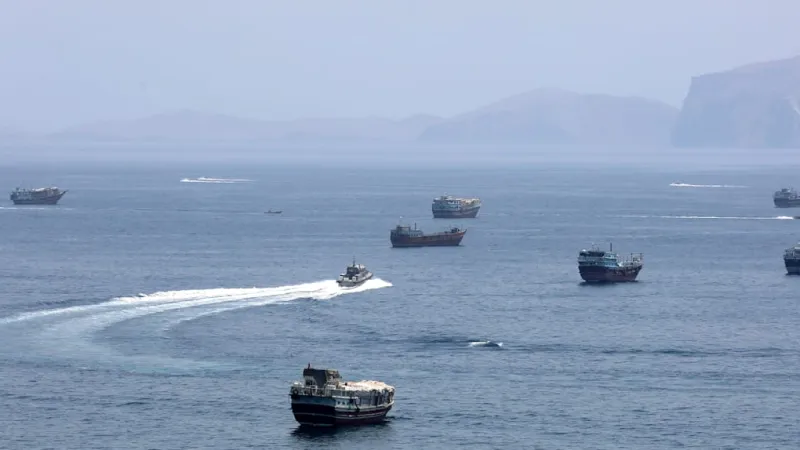
The Strait of Hormuz, a narrow waterway connecting the Persian Gulf with the Arabian Sea, serves as the choke point for approximately one-fifth of the worlds oil supply. Its strategic importance cannot be overstated, influencing global energy markets and international maritime trade. Any instability or threat to navigation through this channel sends immediate ripples through the global economy.
President Macrons statement highlighted the collaborative spirit underpinning the initiative. His discussions with the Sultan of Oman underscore the diplomatic efforts to build a consensus among regional stakeholders before implementing enhanced security measures. Oman, geographically positioned at the mouth of the strait, plays a crucial role in regional stability and maritime affairs.
While specific details from London remain sparse, the joint announcement signifies the United Kingdoms commitment to maritime security in the region. British naval assets frequently operate in the Persian Gulf, participating in international coalitions aimed at deterring piracy and ensuring safe passage for commercial vessels. This new initiative indicates a more direct and proactive approach to the specific threats in the Strait of Hormuz.
Irans swift rejection of external involvement is consistent with its long-standing policy regarding the Strait of Hormuz. Tehran has historically asserted its sovereign right to control activities within the strait, often warning against what it perceives as foreign military presence encroaching on its territorial waters or national interests.
The Iranian foreign ministry reportedly stated that any international effort, particularly regarding mine-clearing, without its explicit consent would be considered a breach of sovereignty and an act of belligerence. This stance complicates any multilateral approach to ensuring the straits security, despite international concerns over freedom of navigation.
The unfolding situation garners close attention from WASHINGTON, particularly from President Donald Trumps administration. The United States maintains a significant military presence in the region and has consistently advocated for unrestricted navigation through the Strait of Hormuz. President Trump has previously emphasized the importance of allies bearing more responsibility for their own security interests, and this European initiative could be viewed through that lens.
Analysts suggest that without careful diplomacy, the divergent approaches could lead to a dangerous escalation. While France and the UK aim to de-escalate potential threats to shipping, Irans interpretation as a provocation risks heightening military posturing and rhetoric in an already volatile region.
The specter of increased tensions in the Strait of Hormuz invariably concerns global oil markets. Past incidents, including tanker attacks and seizures, have led to spikes in oil prices and increased insurance premiums for vessels traversing the waterway. Businesses reliant on these shipping lanes closely monitor developments, fearing supply chain disruptions.
This external pressure also converges with significant internal dynamics within Iran. The nation recently experienced a major political transition, as evidenced by the widespread public turnout for Iran Rallies Millions for Khamenei Farewell, Signaling Power Transition. Such internal shifts can often influence a nations foreign policy decisions and its posture on international security matters, potentially making Tehran more assertive or more cautious depending on the evolving domestic landscape.
The coming weeks will likely reveal the extent of the French-British security initiative and how international powers, including the United States, will coordinate or react. The imperative remains to ensure the unimpeded flow of global commerce through the Strait of Hormuz while simultaneously working to prevent miscalculation that could ignite a wider regional conflict.