 Angela Stefani
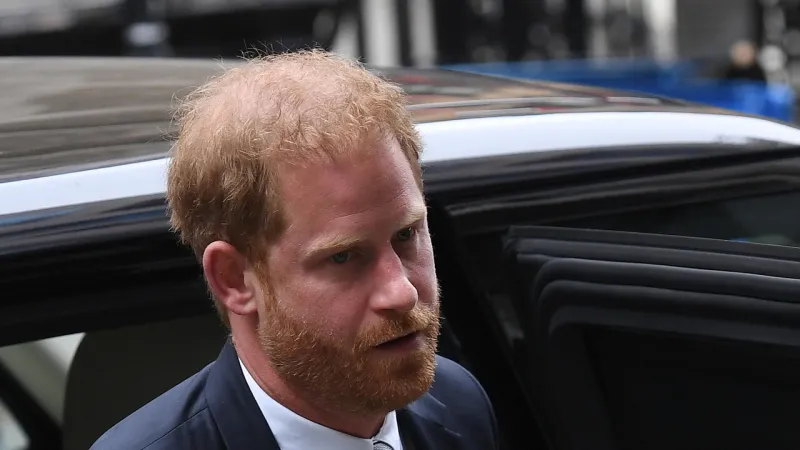
LONDON – Prince Harry, Duke of Sussex, will not attend an event at Buckingham Palace after providing a tardy response to King Charles III's invitation, a development that has reignited speculation about the enduring rift within the British Royal Family as the Duke prepares for a visit to the United Kingdom starting tomorrow.
The decision not to participate in the royal gathering comes as the Duke of Sussex is due to arrive in the UK for other engagements, raising questions about the logistics and communication protocols between the estranged family members. Sources close to the Palace indicate the invitation was extended by King Charles himself, signifying an attempt at reconciliation or at least a show of unity.
This latest development further compounds the ongoing royal crisis, a term frequently used by observers to describe the strained relationship between Prince Harry and the institution he departed in 2020. His and Meghan, Duchess of Sussex's, move to North America marked a significant departure from royal duties.
Previous interactions, often characterized by public statements and private meetings, have consistently underscored the deep chasm that has formed. Despite moments of perceived rapprochement, such as during the late Queen Elizabeth II's Platinum Jubilee or following King Charles' ascension, enduring tensions remain palpable.
The refusal or inability to confirm attendance promptly for a significant event at the monarch's official residence is widely interpreted as a missed opportunity to publicly mend fences. It sends a clear message of continued distance, whether intentional or a consequence of logistical challenges.
King Charles' gesture of extending an invitation to his younger son has been viewed by some as an olive branch, especially given the various public platforms Prince Harry has used to voice his grievances. The lack of a timely acceptance, however, suggests a complex interplay of factors preventing a straightforward resolution.
Prince Harry's impending visit to the United Kingdom is reportedly for engagements unrelated to official royal duties. He is expected to attend events pertaining to his charitable endeavors and personal causes, maintaining a separate itinerary from the royal calendar.
Public opinion concerning the royal dynamic remains sharply divided. While some sympathise with the Duke's desire for independence, others criticize what they perceive as a persistent disregard for royal protocol and familial obligations. The latest news is unlikely to unify these diverging views.
For the monarchy, navigating these internal family disputes in the public eye poses a delicate challenge. The institution strives to project stability and unity, yet the ongoing narrative surrounding Prince Harry continues to test this image, potentially influencing how the public views the modern Royal Family.
As Prince Harry arrives in the United Kingdom, observers will closely monitor any further interactions, or lack thereof, with his father and other senior royals. The path toward reconciliation appears increasingly complicated, with each missed opportunity adding another layer to the intricate tapestry of royal relations.
The broader implications of this ongoing tension extend beyond personal family matters, touching upon the perceived resilience and adaptability of the British monarchy in an evolving global landscape. The institution's ability to navigate such internal challenges while maintaining public confidence remains a critical barometer of its future trajectory.