 Chris Robert
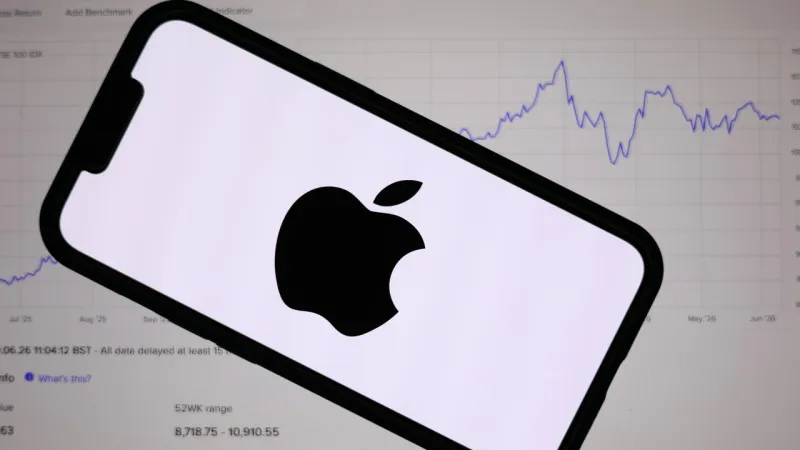
CUPERTINO, Calif. – Apple Inc. recently soared towards an unprecedented $5 trillion market valuation, positioning itself as the second most valuable company globally, trailing only the artificial intelligence juggernaut Nvidia. This remarkable ascent occurs amidst growing investor concerns about the potential volatility within the broader AI boom that has significantly impacted other major chip manufacturers.
The semiconductor giant Nvidia has commanded the top spot with its pivotal role in powering the generative AI revolution. Its specialized graphics processing units, or GPUs, are indispensable for training complex AI models, fueling an unparalleled demand that has propelled its valuation to stratospheric levels.
Despite not being a primary beneficiary of the immediate AI chip surge, Apple has demonstrated formidable market resilience. Its robust ecosystem of hardware, software, and services continues to captivate a vast global consumer base, fostering brand loyalty and consistent revenue streams.
This dynamic reflects a fascinating pivot in market leadership, where established tech titans are either directly riding the AI wave or leveraging their foundational strengths to maintain immense scale. The shift underscores the profound economic implications of AI technology.
Investors are seemingly rewarding Apple for its predictable profitability, massive cash reserves, and strategic long-term vision. The company's consistent innovation in product categories like smartphones, wearables, and computing devices reinforces its market dominance.
The AI boom, while a boon for companies like Nvidia, also presents a complex landscape for the tech sector. While demand for processing power is soaring, the intense competition and rapid technological evolution can introduce significant risks, particularly for firms with less diversified portfolios.
Concerns about the AI boom weighing on chip giants extend beyond just manufacturing capacity; they encompass potential oversupply, pricing pressures, and the swift obsolescence of certain technologies. These anxieties have created a selective investment environment where only the most robust players thrive.
Apple's ability to integrate its own chips, particularly for its iPhone and Mac lines, provides a crucial strategic advantage, reducing its reliance on external suppliers and enhancing control over its product performance and cost structures. This vertical integration buffers it from some of the volatility affecting pure-play chipmakers.
Historically, few companies have reached such monumental valuations. This milestone places Apple among an elite group of enterprises whose economic footprint rivals that of entire nations. It highlights the pervasive influence of technology in the 21st century global economy.
Market analysts project continued fierce competition at the apex of the tech industry. As AI integration becomes ubiquitous across all sectors, the ability of companies like Apple to adapt and innovate within their existing ecosystems will be paramount for sustaining their high valuations.
While Nvidia is celebrated for its specialized hardware for AI training, Apple's investment in on-device AI capabilities and its extensive software infrastructure for developers positions it to capitalize on the practical application of AI in everyday consumer products.
The immense scale and market power of these tech giants also draw considerable scrutiny from regulatory bodies worldwide. Potential antitrust actions and new legislation aimed at curbing monopolistic practices remain a persistent consideration for investors in companies like Apple.
The performance of companies like Apple and Nvidia has a significant ripple effect on global stock markets and the broader economy. Their valuations often serve as indicators of investor confidence in the technology sector's ability to drive future growth and innovation.
The race to dominate the next wave of technological innovation, whether in AI, augmented reality, or other emerging fields, is intensifying. Companies that can consistently deliver groundbreaking products and services will likely retain their market leadership.
Ultimately, Apple's journey to the cusp of a $5 trillion valuation underscores a nuanced market narrative: while pure AI hardware capabilities propel some to the forefront, the enduring power of a diversified ecosystem, strategic integration, and relentless consumer focus remains a potent force in the global economy.