 Robert Andrison
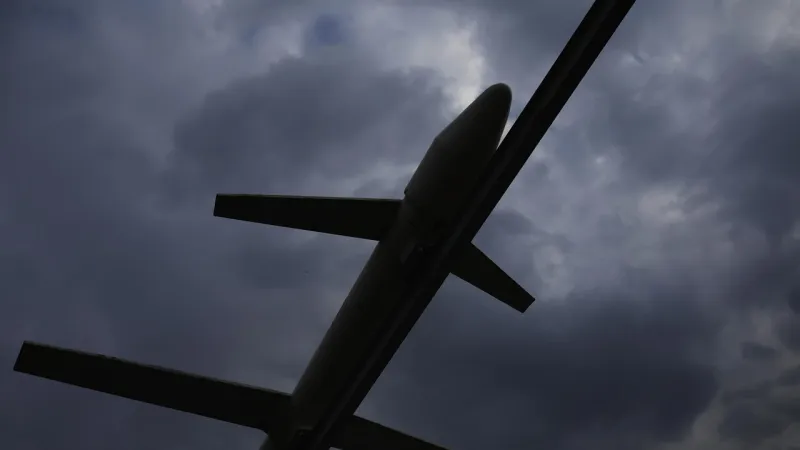
Ukrainian unmanned aerial vehicles (UAVs) executed a widespread assault deep within Russian territory, targeting the industrial heartlands of the Tula and Nizhny Novgorod regions. Russian authorities swiftly reported a substantial defense effort, claiming the interception of 27 incoming drones, thwarting potential damage and casualties. This operation marks a notable escalation in the ongoing conflict, extending the reach of Ukrainian offensive capabilities.
The governor of the affected region confirmed the interception, issuing a statement that detailed the number of unmanned aerial vehicles successfully neutralized by air defense systems. These assertions, while providing an official Russian narrative, underscore the persistent threat posed by airborne incursions into Russian airspace, challenging Moscow's defensive posture.
The strikes on Tula and Nizhny Novgorod follow a pattern of intensified Ukrainian drone activity aimed at strategic Russian infrastructure and military targets. Previous attacks have frequently targeted military airfields, fuel depots, and industrial facilities, signaling Kyiv's intent to disrupt Russia's war effort and logistical supply lines away from the immediate front lines.
Tula, historically a significant center for arms manufacturing and metallurgical industries, holds considerable strategic value. Nizhny Novgorod, a major industrial hub with defense plants and vital transportation links, similarly represents a critical target for any attempt to undermine Russia's military-industrial complex. The choice of these locations indicates a deliberate strategy to inflict economic and logistical pressure.
Such deep incursions demonstrate a sophisticated planning and execution capability on the part of Ukrainian forces, leveraging advanced drone technology to penetrate layered Russian air defenses. The persistent nature of these attacks highlights the challenges faced by Russia in protecting its vast territory from aerial threats.
Kyiv has consistently maintained that strikes within Russian territory are a necessary response to Moscow's full-scale invasion, aiming to diminish Russia's capacity to wage war and to retaliate for sustained attacks on Ukrainian cities and infrastructure. These operations serve both a military and a psychological purpose, bringing the reality of conflict closer to the Russian populace.
The Kremlin has routinely condemned these drone attacks as acts of terrorism and has vowed to enhance its air defense capabilities and retaliate decisively. Despite these assurances, the frequency and depth of Ukrainian drone operations continue to test Russia's protective measures and military readiness, prompting questions about the effectiveness of existing defenses.
International observers continue to monitor the escalating drone warfare, which has become a hallmark of the modern conflict. While some allies of Ukraine have expressed reservations about the use of their supplied weapons for strikes deep within Russia, they generally acknowledge Kyiv's right to self-defense against aggression, including targeting legitimate military objectives.
The deployment of large numbers of relatively inexpensive, yet effective, unmanned aerial vehicles has reshaped battlefield dynamics, enabling precision strikes and surveillance operations that were once exclusive to more expensive manned aircraft. This shift underscores a broader trend in military strategy, where asymmetry in technological application can yield significant operational advantages.
Looking ahead, military analysts predict a continued reliance on drone warfare as both sides seek to gain an advantage without committing large conventional forces to high-risk operations. The ongoing development of counter-drone technologies and electronic warfare systems will be crucial in determining the future trajectory of these aerial exchanges.
The incident also draws attention to the broader economic implications for Russia, as critical infrastructure, including energy facilities and defense factories, faces persistent threats. Protecting these assets diverts significant resources and personnel, impacting overall economic stability and military expenditures.
These drone strikes are not isolated incidents but part of a larger strategic tapestry that reflects the evolving nature of the conflict. Each successful interception by Russian forces, and conversely, each successful penetration by Ukrainian drones, contributes to a constant cat-and-mouse game in the skies, pushing the boundaries of aerial defense and offensive capabilities.