 Demian Sahputra
Washington – A critical malfunction within the Federal Aviation Administration's (FAA) air traffic control system triggered an unprecedented hours-long nationwide ground stop for all domestic flights on November 13, 2026, causing widespread travel disruption and prompting the Transportation Secretary to attribute the incident to an aging infrastructure.
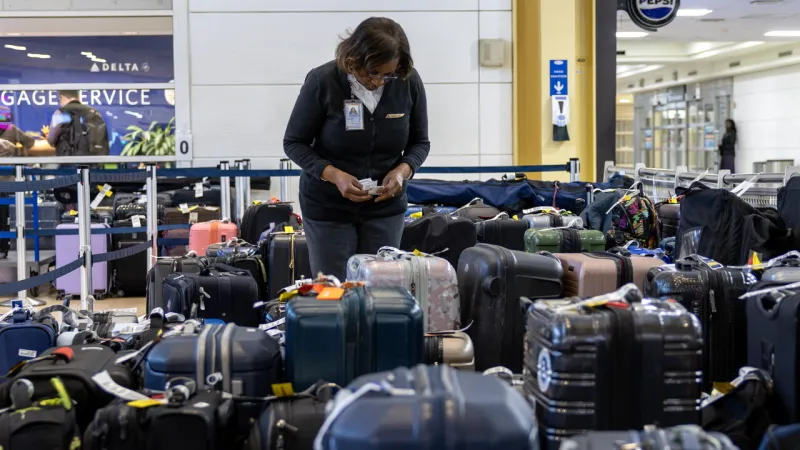
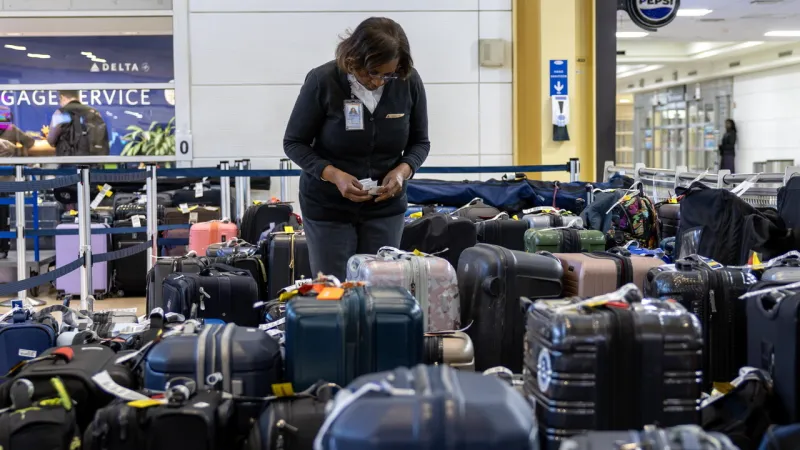
The extensive halt, which grounded thousands of aircraft and stranded countless passengers at airports across the United States, marked one of the most significant operational failures in recent aviation history. Air traffic controllers were unable to process flight plans or ensure safe separation between aircraft, necessitating the extreme measure.
Transportation Secretary Pete Buttigieg, speaking from Washington, did not mince words regarding the root cause. He stated publicly, "This incident is a stark reminder of the urgent need to modernize our nation's air traffic control systems. We are dealing with decades-old technology that is increasingly prone to malfunctions, directly impacting the reliability and safety of air travel."
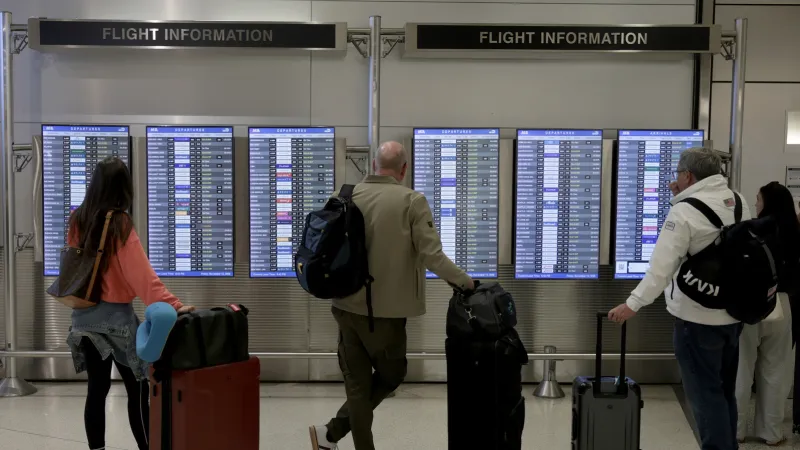
The ground stop went into effect during the early morning hours, disrupting the busy Thanksgiving travel season preparations and affecting both commercial and cargo flights. While the FAA gradually lifted the restriction later in the day, the ripple effects of delays and cancellations persisted for many hours, creating a logistical nightmare for airlines and travelers alike.
Airlines scrambled to rebook passengers and reschedule flights, reporting significant financial losses due to the operational paralysis. Major carriers advised passengers to check their flight status frequently and prepare for prolonged disruptions as the system worked to clear the backlog.
The incident has intensified scrutiny on the robustness of the nation's aviation infrastructure. Critics have long argued that underfunding and slow bureaucratic processes have hampered efforts to upgrade the complex network that manages millions of flights annually.
This widespread operational halt echoes past concerns about the nation's air travel resilience. Just last year, a similar, though less extensive, issue had prompted calls for immediate federal action. The recurring nature of these incidents underscores a persistent vulnerability.
President Donald Trump, whose administration has emphasized infrastructure improvements, is expected to address the incident and its implications for national transportation security and efficiency. The White House has not yet issued a formal statement on the matter, but congressional leaders have already begun calling for immediate hearings.
The FAA system failure has reignited debates over funding for the agency's Next Generation Air Transportation System (NextGen) initiative. This ambitious program, designed to transition from a radar-based system to a more precise satellite-based one, has faced numerous delays and cost overruns since its inception.
Aviation experts suggest that a failure in a critical component of the Notice to Air Missions (NOTAM) system was a primary contributing factor. The NOTAM system provides pilots with essential, real-time information about hazards and changes in flight operations, and its compromise effectively blinded air traffic controllers.
The disruption caused by the nationwide ground stop highlights the interconnectedness of modern transportation systems and the cascading effects of a single point of failure. Businesses reliant on timely shipping, as well as individual travelers, felt the immediate impact.
The incident serves as a critical juncture for policymakers to prioritize sustained investment in the nation's foundational air travel infrastructure. Without robust, modern systems, the possibility of future widespread disruptions remains a pressing concern for the American public.
This widespread aviation disruption follows a pattern of infrastructure challenges, as detailed in reports like the one on Nationwide FAA System Failure Grounds US Air Traffic, Stranding Thousands, which highlighted similar vulnerabilities earlier.
As investigations commence, the focus will undoubtedly shift towards identifying specific points of failure within the FAA system and allocating the necessary resources to prevent a recurrence. The reliability of air travel, a cornerstone of the national economy and personal mobility, hangs in the balance.
The public awaits further details on the full extent of the system compromise and the concrete steps the FAA and the Department of Transportation will undertake to ensure such a critical event does not cripple American air travel again.