 Chris Robert
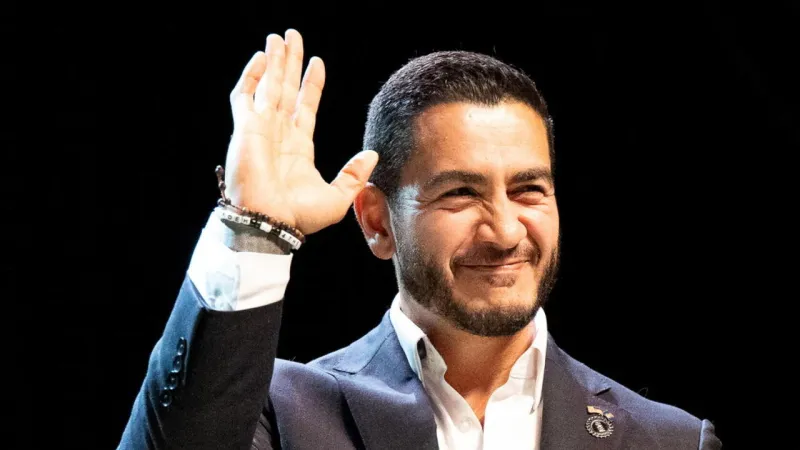
LANSING, Michigan – Abdul El-Sayed has secured the Democratic nomination for the U.S. Senate in Michigan, according to projections from NBC News, following a closely contested primary battle. The progressive candidate emerged victorious against his formidable opponent, moderate Congresswoman Haley Stevens, setting the stage for a critical general election contest later this year.
The closely watched primary saw both candidates vigorously campaigning across the state, with El-Sayed emphasizing a platform focused on universal healthcare, climate action, and economic justice. Stevens, conversely, highlighted her legislative record and ability to work across the aisle, aiming to appeal to a broader centrist electorate within the Democratic base.
El-Sayed's victory marks a significant moment for Michigan Democrats, signaling a strong appetite for progressive leadership. A physician and former public health director for Detroit, El-Sayed has built a political career on an activist foundation, having previously run an impactful gubernatorial campaign in 2018 that energized many grassroots supporters.
His campaign successfully mobilized younger voters and urban demographics, leveraging social media and direct outreach to overcome Stevens' established political infrastructure. The narrative of an insurgent progressive challenging a mainstream moderate played out vividly, captivating national political observers.
Congresswoman Stevens, who represented Michigan's 11th congressional district, had garnered significant support from more establishment figures within the party and relied on her experience in Washington. Her campaign framed her as the most electable candidate to challenge the Republican incumbent in the general election.
Upon the release of the projections, Stevens acknowledged the results, issuing a statement thanking her supporters and urging party unity. She emphasized the importance of coalescing behind Abdul El-Sayed to ensure a Democratic victory in November, recognizing the high stakes for the state.
The general election promises to be an arduous battle. Michigan, a pivotal swing state, is expected to draw substantial national attention and campaign funding. Abdul El-Sayed will now face the formidable challenge of unseating the Republican incumbent, whose campaign is already well underway.
Political analysts suggest that El-Sayed's progressive stance could galvanize the Democratic base, potentially boosting voter turnout. However, it also presents the challenge of appealing to independent and moderate Republican voters crucial for statewide success in Michigan.
The broader national political climate of 2026, under President Donald Trump's administration, will undoubtedly influence the Senate race. Recent polls have indicated a shifting economic trust among voters, with Democrats showing strength against the Republican Party on economic issues. For more on this, read Voters Shift Economic Trust: Democrats Overtake Trump's GOP in Polls.
El-Sayed's campaign will now pivot to fundraising and expanding its outreach efforts to build a coalition robust enough to win in November. Unifying the various factions of the Democratic Party after a contentious primary will be a critical first step.
The Michigan Senate race is considered vital for both parties as they contend for control of the U.S. Senate. A victory for Abdul El-Sayed would not only reshape Michigan's political landscape but also potentially alter the balance of power in Washington.
Democratic Party leaders in Michigan have already begun to express their support for El-Sayed, acknowledging the energy and enthusiasm his candidacy brings. Their focus now shifts to presenting a united front against the Republican opposition.
This primary outcome also serves as a bellwether for the ongoing internal debate within the Democratic Party regarding its future direction: whether to embrace more progressive ideals or to prioritize electability through moderate appeal.
The road ahead for Abdul El-Sayed is challenging but clear. His victory sets the stage for what is anticipated to be one of the most closely watched and impactful Senate races of the 2026 election cycle, with significant implications for both state and national politics.