 Chris Robert
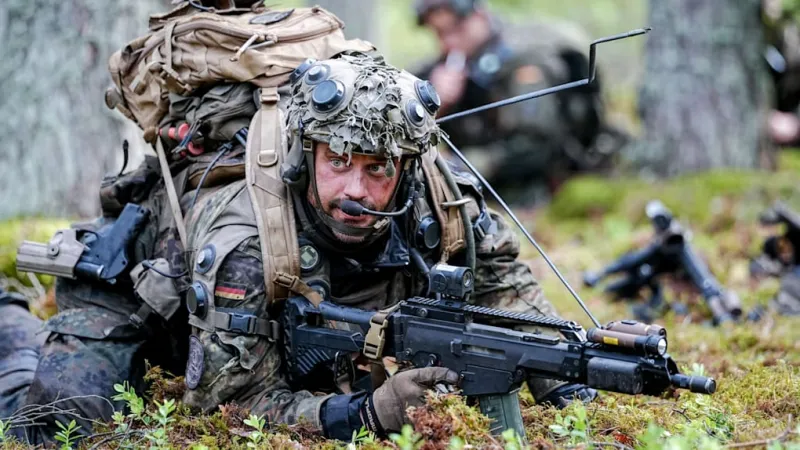
BERLIN – Internal documents, obtained by WELT AM SONNTAG, unveil extensive deficiencies within a cornerstone initiative of the German Defense Ministry, the planned Lithuania Brigade. These findings, described by evaluators as insufficient and borderline, could compel Defense Minister Boris Pistorius to reconsider the project's strategic trajectory.
The confidential papers detail significant shortcomings across various operational aspects crucial for the brigade's readiness and deployment. These include inadequacies in logistical support, equipment procurement processes, and personnel training, directly undermining the operational capabilities envisioned for the German contingent stationed on NATO's eastern flank.
Establishing a permanent German brigade in Lithuania represents a pivotal commitment to NATO's collective defense, specifically designed to strengthen deterrence against potential Russian aggression. This strategic move underscores Germany's enhanced role in European security architecture, a shift heavily promoted by Minister Pistorius since taking office.
The identified deficits threaten to impede the brigade's full operationalization, raising serious questions about Germany's capacity to fulfill its solemn pledges to its Baltic allies. Such delays or compromises could damage Germany's credibility within the alliance and cast a shadow over its ambitious defense modernization agenda.
Defense Minister Pistorius has consistently championed the establishment of the Lithuania Brigade as a tangible sign of German resolve and a critical component of national security. The revelations from these internal assessments present a significant challenge to his leadership and potentially force a recalibration of timelines and resource allocation for the critical project.
Sources familiar with the documents indicate that the evaluations are comprehensive, stemming from detailed internal reviews and assessments conducted by various departments within the Defense Ministry itself. Their blunt language underscores the severity and systemic nature of the issues uncovered.
For decades, the Bundeswehr, Germany's armed forces, contended with chronic underfunding and successive cuts following the end of the Cold War. While recent years have seen increased investment, especially after the 2022 full-scale invasion of Ukraine, these systemic challenges appear deeply entrenched, impeding rapid reform efforts.
The potential for a Kehrtwende, or strategic reversal, could manifest as revised deployment schedules, increased budgetary demands, or even a re-evaluation of the brigade's overall structure and composition. Any significant alteration would necessitate extensive consultation with NATO partners and the Lithuanian government.
NATO allies, particularly those on the eastern frontier, closely monitor Germany's defense commitments. News of internal setbacks could provoke concern among partners who rely on Germany's robust contribution to regional security, especially given ongoing geopolitical tensions in Europe, as leaders like Macron and Starmer urge unity for Ukraine support.
Domestically, these revelations are likely to fuel criticism from opposition parties questioning the government's competence in defense matters and the effective allocation of the newly established special fund for military modernization.
Defense analysts suggest that overcoming these identified shortcomings will require more than just financial investment; it will necessitate a fundamental overhaul of procurement processes, training protocols, and bureaucratic hurdles. The minister will likely face intense scrutiny to outline concrete steps to address the issues promptly and transparently.
The urgent task for the German Defense Ministry now lies in transparently acknowledging the problems and swiftly implementing corrective measures to ensure the Lithuania Brigade can ultimately fulfill its crucial role. The future of Germany's significant defense commitment to Lithuania, and its broader role in European security, hinges on this response.