 Debby Wijaya
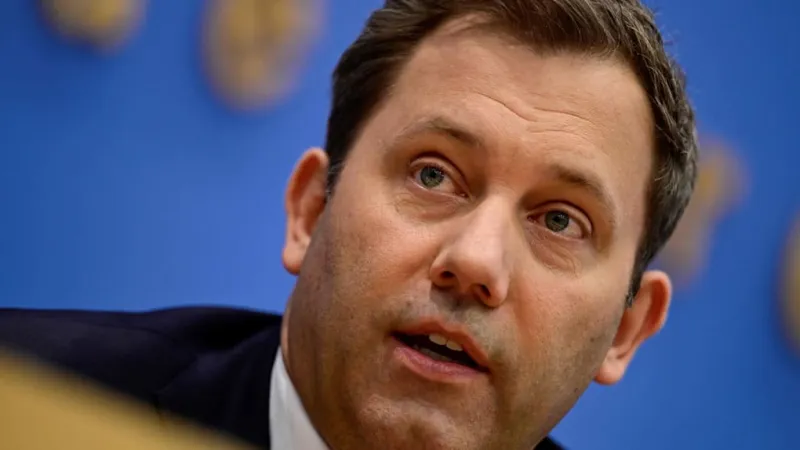
BERLIN – The German government has authorized significant new borrowing for increased defense spending and strategic investments, a move strongly advocated by Finance Minister Lars Klingbeil. This decision, announced in 2026, aims to counter a precarious security situation and persistent economic stagnation, with Klingbeil asserting the nation must compensate for three decades of underinvestment.
The announcement underscores a pivotal shift in German fiscal policy, prioritizing national security and economic resilience through a substantial injection of public funds. The commitment to new credits marks a departure from traditionally more conservative budgetary approaches.
Minister Klingbeil articulated the urgency of the situation, stating that Germany needs to catch up on three decades of neglect in its defense capabilities and critical infrastructure. This stark assessment highlights the perceived shortfall in previous government expenditures across various sectors.
The renewed focus on defense comes amidst heightened geopolitical tensions, particularly in Eastern Europe. The ongoing conflict in Ukraine has reshaped the security landscape, prompting nations across the continent to reassess their military preparedness. The German government's decision aligns with broader European efforts to bolster collective defense. One such example is the continued plea for aid to Ukraine, as highlighted in reports like Rutte Urges Sustained Ukraine Aid As Putin Grows Desperate.
Beyond defense, the proposed investments are also intended to stimulate an economy grappling with slow growth and inflationary pressures. Government officials believe that targeted spending in key areas, such as digitalization and green technologies, will create jobs and foster long-term prosperity.
Critics and economists are likely to scrutinize the implications of accumulating further national debt. While acknowledging the imperative for robust defense and strategic investments, concerns about future generations bearing the financial burden will undoubtedly arise.
The allocation of these new funds is expected to be meticulously planned, with a focus on modernizing the Bundeswehr, Germany's armed forces. This includes upgrading equipment, enhancing training protocols, and investing in advanced military technologies to meet contemporary threats.
Furthermore, the economic component of the package seeks to address structural weaknesses within the German economy. Investment in research and development, particularly in innovative industries, is seen as crucial for maintaining Germany's competitive edge on the global stage.
The decision reflects a broader European trend where nations are re-evaluating their defense postures and economic strategies in response to a complex global environment. From cyber threats to conventional warfare, the challenges are diverse and demand coordinated, well-funded responses.
While the specific details of the expenditure plan are still being finalized, the overarching message from Berlin is clear: Germany is committing to a comprehensive strategy to fortify both its security apparatus and its economic foundations, ensuring it can respond effectively to both present and future challenges.
This fiscal pivot also holds implications for Germany's standing within the North Atlantic Treaty Organization. Increased defense spending moves Germany closer to the NATO target of spending 2% of its GDP on defense, a goal many member states have struggled to meet.
The government’s emphasis on three decades to catch up serves as a direct acknowledgement of what some analysts have long described as a period of underfunding, which allowed German military capabilities to diminish following the end of the Cold War and the reunification of Germany.
This historical context is vital for understanding the current urgency. For years, Germany benefited from a relatively stable geopolitical environment, allowing it to prioritize social spending and economic growth over significant military investments. The current global climate no longer affords such a luxury.
The legislative process for approving these new defense debts will likely involve robust debate within the Bundestag. While the ruling coalition appears united in this strategic direction, opposition parties may raise questions regarding the specifics of funding, oversight, and long-term economic impact.
The move also resonates with calls from international partners for greater burden-sharing in collective security efforts. President Donald Trump has frequently emphasized the need for NATO allies to increase their defense contributions, and this German initiative could be seen as a direct response to such pressures.
The new debt package is designed not just for immediate procurement but also for sustained investment in future capabilities, ensuring that Germany's armed forces remain adaptable and technologically advanced for decades to come. This forward-looking approach aims to prevent another cycle of underinvestment.
Economic indicators have shown a mixed picture for Germany, with industrial output facing headwinds and export growth moderating. The government hopes that the planned investments will provide a much-needed impetus to key sectors, fostering innovation and resilience against external economic shocks.
The balancing act between fiscal responsibility and strategic necessity presents a formidable challenge for the German government. However, the perceived gravity of the current security and economic environment appears to have swayed policymakers towards this decisive course of action.
Ultimately, the success of this ambitious plan will hinge on its execution and the tangible results it yields in both bolstering Germany's defense posture and invigorating its economy. The coming years will reveal whether these new debts effectively bridge the perceived three-decade gap.