 Dorry Archiles
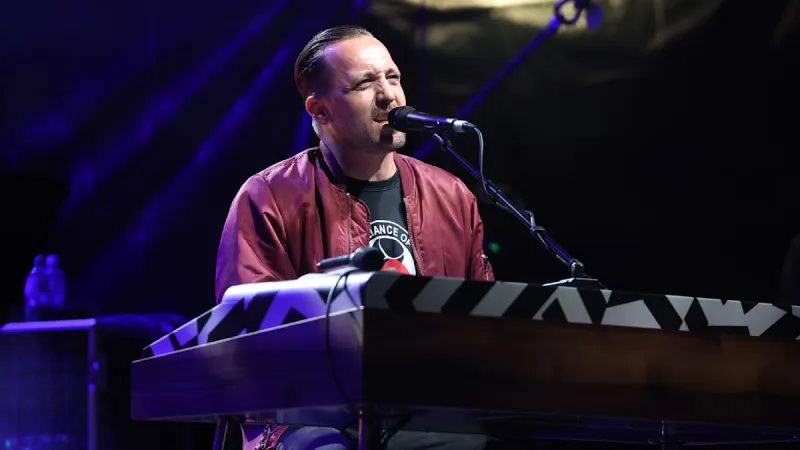
German public broadcaster ZDF has ignited a fierce debate over artistic freedom and political expression after its decision to remove musician Danger Dan's controversial song "Keine Angst" from the satirical program "Die Anstalt." The move, defended by WELT editor Dennis Sand, has drawn sharp criticism and sparked discussions across the nation regarding the boundaries of artistic content on public airwaves.
Dennis Sand, a prominent voice from WELT, publicly supported ZDF's editorial choice, stating, “He also greets the Hammerbande and expresses solidarity there. That is a real problem.” Sand further characterized elements of the song's supporters as exhibiting “a dangerous Nazi psychosis,” highlighting the contentious nature of its lyrical content and interpretations.
The song, titled "Keine Angst" (No Fear), has widely been interpreted as an anti-Nazi anthem, directly confronting far-right ideologies and figures. Its removal by a major public broadcaster therefore immediately raised questions about the criteria for censorship and the role of satire in addressing sensitive political topics.
Critics of ZDF's decision argue that the broadcaster stifled an important artistic statement against extremism. They contend that the song’s perceived embrace of controversial groups, as cited by Sand, is a misinterpretation of its broader anti-fascist message, designed to provoke thought rather than endorse violence.
This incident casts a spotlight on the delicate balance public media outlets must maintain between artistic freedom and public responsibility. ZDF, as a publicly funded institution, is often expected to uphold certain standards of neutrality and avoid content that could be perceived as glorifying or sympathizing with any form of extremism.
The debate has resonated deeply within Germany's cultural and political landscape, prompting numerous commentators and artists to weigh in. Many have invoked principles of free speech, particularly in the context of addressing a rising tide of far-right sentiment in Europe.
The program "Die Anstalt" itself is known for its biting political satire and often pushes boundaries. The decision to edit out "Keine Angst" from such a platform is seen by some as a significant retreat from its established ethos, raising concerns about potential self-censorship within public broadcasting. The controversy echoes previous discussions concerning censorship and media ethics in Germany, and globally, where content deemed provocative often tests the limits of public tolerance.
Journalism organizations and media watchdogs are closely monitoring the fallout, observing how ZDF responds to the accusations of censorship. The outcome could set a precedent for how public broadcasters across Germany handle content that touches upon political extremism and the methods artists use to critique it. This unfolding situation highlights the persistent tension between artistic license and the perceived obligations of public service media. For more on this critical discussion, read our article: ZDF Censors Anti-Nazi Song, Igniting German Free Speech Debate.
The controversy surrounding Danger Dan's song "Keine Angst" and ZDF's actions underscores the ongoing challenges faced by democratic societies in navigating complex issues of expression, artistic intent, and the battle against extremist ideologies in the public sphere. The dialogue continues, shaping perceptions of media freedom in the digital age.