Gabriella
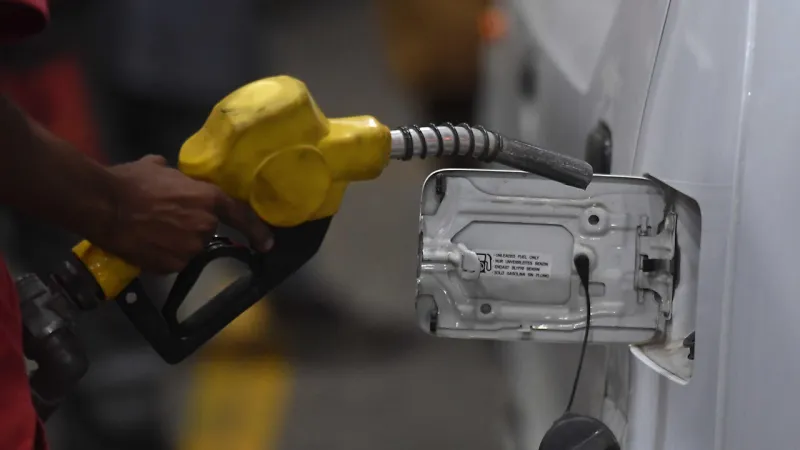
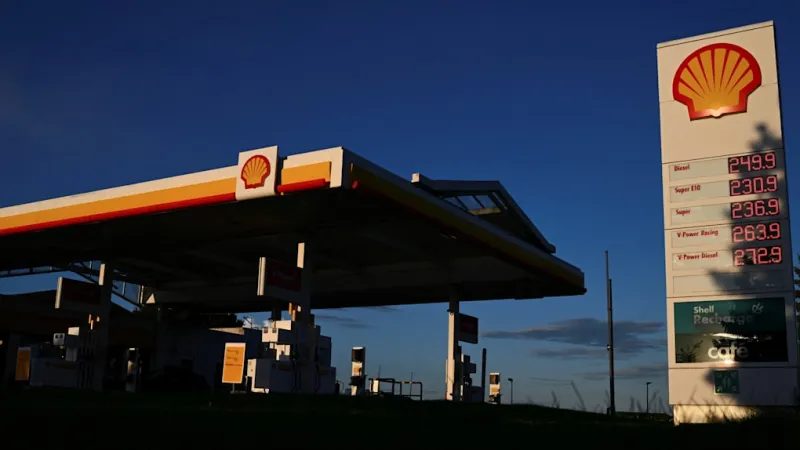
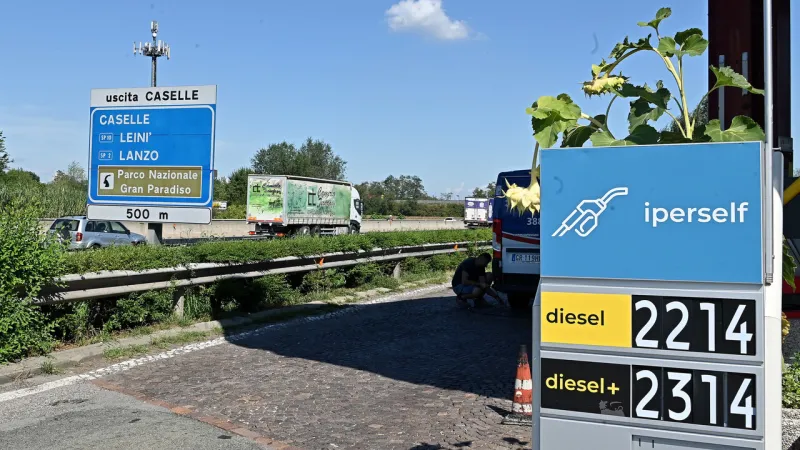
Milan faces a deepening economic strain as gasoline prices at the pump have soared past 2.6 euros per liter, threatening Italian consumers with a substantial financial blow this summer. Consumer advocacy group Codacons warns that between July and August, the cumulative impact of elevated fuel costs could amount to a staggering 10.8 billion euros for households nationwide. This sharp increase is significantly bolstered by state revenues derived from value-added tax (VAT) and excise duties.
According to Codacons projections, the Italian State is poised to collect nearly 3 billion euros solely in the current month through these indirect taxes on fuel. This figure highlights the dual pressure on citizens: rising global energy costs coupled with a substantial fiscal burden imposed at the national level.
The relentless ascent of gasoline prices presents a formidable challenge for Italian families already grappling with inflationary pressures across various sectors. The anticipated 10.8 billion euro hit over the peak summer months underscores a significant erosion of household purchasing power, potentially dampening consumer spending during a critical period for the national economy.
Analysts attribute the sustained high prices to a confluence of factors, including persistent geopolitical tensions impacting global oil supplies, fluctuating exchange rates, and a robust demand as European economies continue their post-pandemic recovery. These external dynamics, however, are exacerbated by Italy's internal tax structure on fuel.
Excise duties, fixed charges levied on goods, along with the percentage-based VAT, form a substantial component of the final price consumers pay at the pump. Critics frequently argue that these taxes disproportionately burden motorists, especially those in regions with limited public transport alternatives.
The escalating cost of transportation extends beyond individual commuters, affecting businesses across the supply chain. Logistics companies face higher operational expenses, which often translate into increased prices for goods and services, fueling a broader inflationary cycle. This ripple effect further strains the national economy, complicating recovery efforts.
Consumer organizations are increasingly vocal in their calls for government intervention, suggesting measures such as a temporary reduction in excise duties or a review of the VAT application on fuel. Such proposals aim to alleviate the immediate financial pressure on citizens, though they present fiscal challenges for the state treasury.
Italy's economic landscape already faces significant headwinds. Confindustria, the general confederation of Italian industry, has previously cautioned that broader geopolitical instability could severely imperil Italy's economy, potentially leading to a credit crunch. The current surge in fuel prices only compounds these existing vulnerabilities.
The government finds itself in a precarious position, balancing the need to maintain fiscal stability with the imperative to support its citizens through an economic crunch. Any reduction in fuel taxation would necessitate alternative revenue streams or cuts elsewhere, prompting complex political negotiations.
With the summer travel season approaching, many Italians traditionally plan extended trips, relying heavily on personal vehicles. The current gasoline price trajectory threatens to curtail these plans, impacting tourism, a vital sector for the Italian economy. Local businesses dependent on summer tourism could experience a downturn.
Furthermore, the situation in Milan reflects a national trend, albeit with regional variations. While the figure of 2.6 euros per liter is specific to certain stations in the Lombard capital, other major Italian cities are experiencing similarly elevated prices, indicating a widespread problem.
The long-term implications of sustained high energy costs include a potential slowdown in economic growth, increased pressure on wages, and a shift in consumer behavior towards more fuel-efficient transport options or reduced mobility. These shifts, while potentially beneficial for environmental goals, present immediate economic hurdles.
This ongoing price surge underscores the delicate balance between energy policy, fiscal strategy, and consumer welfare in Italy. Without a comprehensive approach, the summer of 2026 threatens to be a period of significant financial hardship for millions of Italian households.