 Debby Wijaya
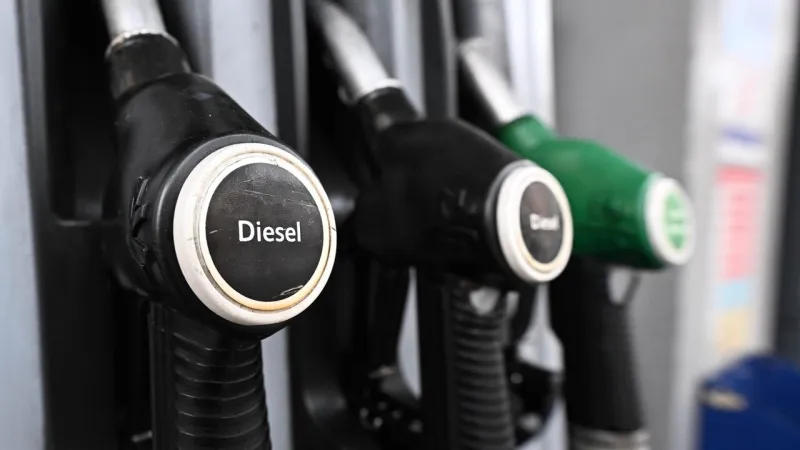
ROME—Italian consumers confront a fresh surge in fuel costs as what consumer association Codacons describes as the “discount effect” concludes, pushing diesel prices to an average of €2.080 per liter. Self-service petrol, concurrently, stands at €1.995 nationally, while motorists on highways now pay an average of €2.081 per liter. This significant escalation, confirmed by data from the Ministry of Enterprises and Made in Italy (Mimit), signals a challenging period for households and businesses across the nation.
The immediate impact reverberates through daily commutes and commercial operations. The Mimit figures underscore a substantial uptick, particularly for diesel, a critical fuel for Italy's vast logistics and transportation sectors. The jump past the two-euro threshold for diesel is a psychological and economic barrier for many.
Codacons, a leading consumer advocacy group, expressed deep concern over the development. A spokesperson for the association stated, “The discount effect is over, prices are rising.” This direct assessment suggests that any previous relief measures or favorable market conditions that held prices in check have now dissipated, leaving consumers to bear the brunt of higher expenses.
While the specific nature of the “discount effect” was not explicitly detailed in the Mimit release, it generally refers to a combination of government interventions, such as excise duty cuts, or temporary market dynamics that suppressed retail prices. The cessation of such factors invariably leads to an upward revision of costs at the pump.
The rising cost of carburanti, encompassing both petrol and diesel, poses a direct threat to household budgets already strained by inflationary pressures. Families and individuals who rely on private vehicles for work, education, or essential services will experience an immediate reduction in their disposable income.
Businesses, particularly small and medium-sized enterprises (SMEs) engaged in transportation, agriculture, and goods delivery, face increased operational expenditures. These higher costs are often passed on to consumers, potentially fueling a broader inflationary cycle and impacting the affordability of various goods and services.
The broader economic ramifications are considerable. Elevated fuel prices can dampen consumer spending in other sectors, as discretionary income is diverted to essential transportation needs. This can impede economic expansion, a challenge that aligns with concerns about global economic pressures. As noted in a related analysis, Climate Change Threatens Global GDP, Impedes Nations Economic Expansion, such factors contribute to a complex economic landscape.
Italy has a history of fluctuating fuel prices, often influenced by global oil market dynamics, geopolitical events, and national tax policies. The current surge serves as a stark reminder of the nation's vulnerability to external energy shocks and internal policy shifts.
Analysts are closely watching the trajectory of international crude oil prices and the euro-dollar exchange rate, both pivotal factors in determining retail fuel costs. Any significant movement in these global benchmarks could further exacerbate or alleviate the current price pressures.
The government's response to this renewed challenge will be critical. Calls from consumer groups for interventions to mitigate the impact on citizens are expected to intensify. Potential measures could range from new tax relief to stricter monitoring of pricing practices by fuel distributors.
Experts also point to the need for long-term strategies, including investments in public transportation and alternative energy sources, to reduce the economy's reliance on fossil fuels and insulate consumers from future price volatility. However, such solutions require significant capital and strategic planning over an extended period.
The current situation underscores the persistent challenge of energy affordability in Italy. As the holiday season approaches and travel increases, the sustained high cost of fuel will undoubtedly factor into many Italians' decisions, potentially affecting domestic tourism and family gatherings. The economic stability of Italian households now faces an additional burden as the cost of mobility continues its upward climb.
This development highlights the intricate balance between market forces, consumer protection, and government policy in managing essential commodity prices within a national economy.