 Demian Sahputra
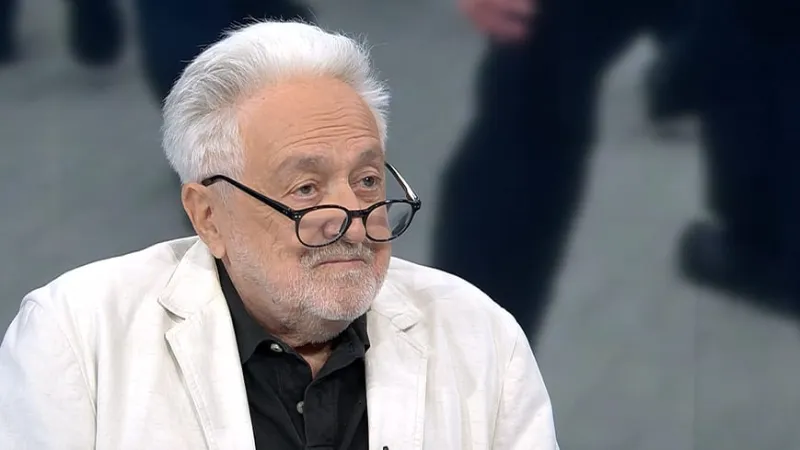
Erfurt, Germany – Thousands of demonstrators, including a significant contingent of potentially violent left-wing extremists, are anticipated to converge in Erfurt ahead of the Alternative for Germany (AfD) party congress. In a pointed critique, WELT columnist Henryk M. Broder asserted that Antifa is actively orchestrating a "small civil war" and condemned what he termed the "absurd demonization" equating the AfD with the historical Nazi Party.
The impending AfD gathering has become a flashpoint for political polarization, drawing concerns from authorities regarding public safety. Reports indicate that various activist groups are mobilizing to disrupt the event, promising a substantial turnout designed to protest the right-wing party's agenda and presence.
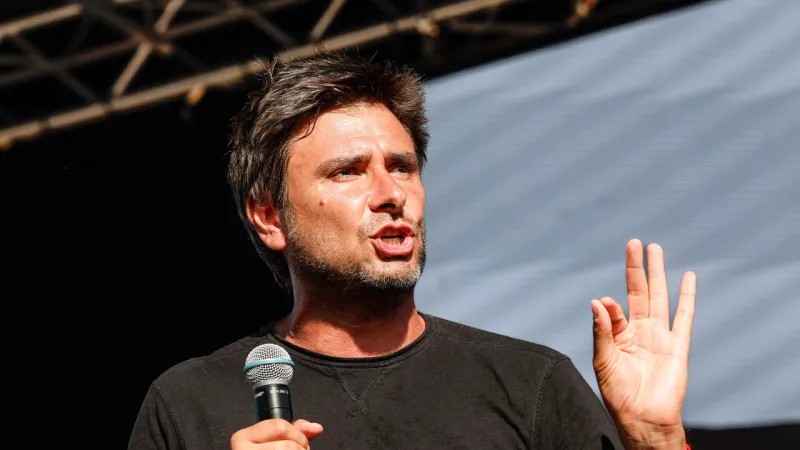
Broder's remarks, delivered in a recent commentary, highlight a growing chasm in Germany's political discourse. He did not mince words, stating directly that "It is Antifa that is currently staging a small civil war," attributing the escalating tension to the activist group's actions.
His criticism extends to the narrative often surrounding the AfD. Broder specifically challenged the tendency within some political and media circles to draw parallels between the contemporary AfD and the National Socialist German Workers Party (NSDAP), asserting, "That is an absurd demonization."
The AfD, established in 2013, has steadily gained traction in German politics, becoming a significant force in both federal and state parliaments. Its rise has been met with consistent opposition from a broad spectrum of society, ranging from mainstream political parties to grassroots anti-fascist movements.
Such protests are not unprecedented. Similar demonstrations have shadowed previous AfD events, often leading to clashes with law enforcement and blockades. Just recently, Wolfgang Kubicki, Vice President of the Bundestag, unequivocally denounced previous AfD congress blockades, labeling protesters criminals in a strong statement underscoring the legal boundaries of dissent.
For the Erfurt congress, security forces are preparing for an extensive operation, aiming to maintain order amidst potentially volatile demonstrations. The scale of the planned protests, involving thousands, suggests a significant challenge for local police.
The mention of violent left-wing extremists by the WELT columnist adds another layer of concern. While peaceful protest is a cornerstone of democratic expression, the involvement of groups known for confrontational tactics raises the specter of property damage and physical altercations.
Henryk M. Broder, a veteran journalist and author, is known for his provocative and often contrarian viewpoints within the German media landscape. His columns frequently challenge prevailing political correctness and spark public debate, lending considerable weight to his pronouncements on current affairs.
Germany's political landscape in 2026 continues to be marked by fierce debate over immigration, economic policy, and national identity, issues frequently championed by the AfD. The party's push for increased influence, as seen in AfD candidate Holm's ambition for a second premier post, ensures ongoing scrutiny and opposition.
Broder's criticism of the "absurd demonization" of the AfD touches upon a broader discussion about the health of democratic discourse. When political opponents are equated with historical atrocities, it can stifle nuanced debate and further entrench societal divisions, according to many political analysts.
As the date for the AfD party congress approaches, all eyes remain on Erfurt. The interplay between anticipated protests, extremist elements, and the sharp rhetoric from commentators like Broder underscores the intense political climate in Germany, where fundamental disagreements over the nation's direction are playing out on the streets and in public discourse.