Gabriella
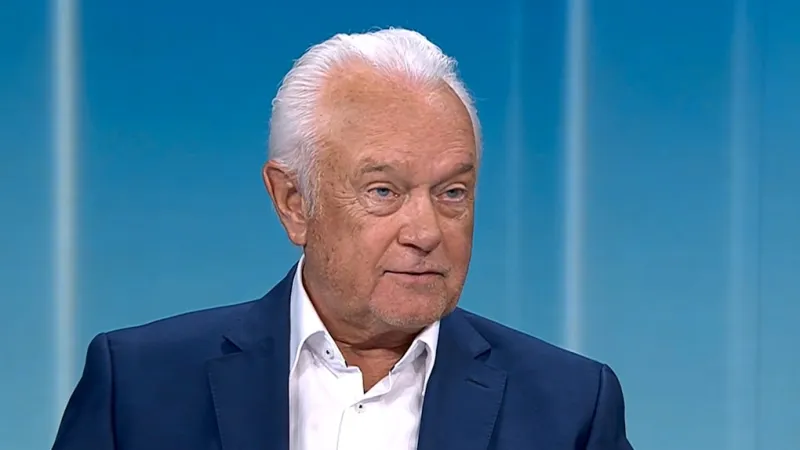
Erfurt, Germany — FDP leader Christian Kubicki issued a stark warning ahead of the upcoming Alternative for Germany (AfD) party conference in Erfurt, asserting that any attempts to obstruct the event would constitute illegal acts and those involved would be considered criminals. His declaration underscores a growing tension between the right-wing party and its opponents, particularly as public discourse around protest rights intensifies in 2026.
Kubicki, a prominent figure in the Free Democratic Party, emphasized the fundamental right to protest but drew a clear line at actions that prevent a political party from exercising its democratic right to assembly. He stated, "Protest is permissible, but anyone who prevents party conferences is a criminal."
His remarks specifically targeted those contemplating direct action to impede the AfD's gathering, scheduled to take place in the Thuringian capital. The AfD, which has seen fluctuating but generally rising support in recent years, frequently draws significant counter-demonstrations whenever it convenes.
Kubicki further cautioned potential blockaders against any misguided sense of moral superiority or exceptional justification for their actions. He said the participants should not believe "they had a special form of legitimacy," directly challenging the narrative often used by radical protest groups.
This strong condemnation from a leading FDP politician highlights the broader debate within German society concerning the boundaries of political dissent and the protection of democratic processes. While the right to freedom of assembly and expression is enshrined in the German Basic Law, so too is the right of political parties to conduct their affairs unhindered.
The FDP, as a party committed to liberal democratic principles and the rule of law, frequently advocates for a strict interpretation of legal parameters governing public demonstrations. Kubicki's statement aligns with this stance, stressing that while dissent is vital, it must operate within the established legal framework.
Observers note that the AfD often portrays itself as a victim of establishment attempts to silence it, and any unlawful obstruction of its party congress could inadvertently bolster this narrative, potentially generating sympathy among its base. Such incidents also frequently lead to clashes between protesters and law enforcement, raising public safety concerns.
This latest development comes as the AfD continues to make headlines, with figures such as AfD Candidate Holm aiming for a second premier post and challenging public media, highlighting the party's ongoing efforts to expand its influence across Germany. The party's increasing presence in state parliaments and municipal councils has made its congresses significant political events.
The city of Erfurt and Thuringian state authorities are likely to implement extensive security measures to ensure the smooth conduct of the AfD congress and to manage any planned protests. The legal ramifications for individuals participating in illegal blockades could range from fines to criminal charges.
Kubicki's unequivocal message serves as a pre-emptive strike, aiming to deter potential lawbreakers and reinforce the importance of respecting democratic institutions, even when disagreeing profoundly with their political platforms. The upcoming AfD party conference in Erfurt is now set to be a focal point not just for the party's internal deliberations, but for the ongoing national conversation about protest, legality, and democracy in Germany.