 Edward DP Situmorang
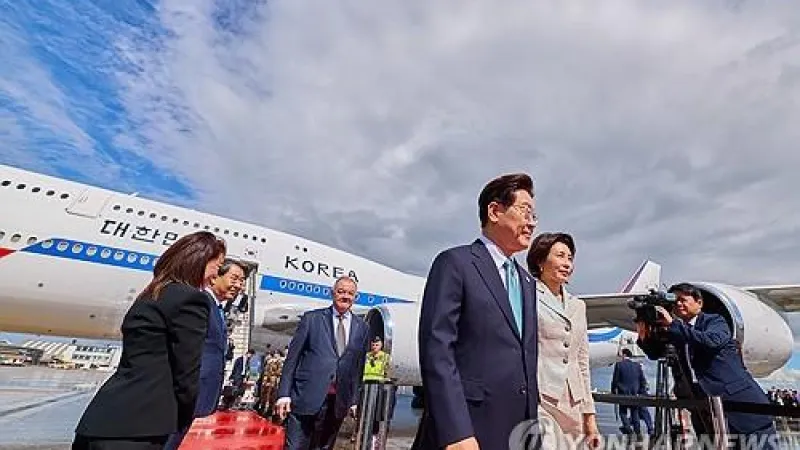
SEOUL – South Korea and Belgium have initiated high-level diplomatic discussions following a significant personal data leak involving President Lee and his official entourage during a recent state visit to Europe. The sensitive breach, confirmed on November 12, has prompted urgent bilateral talks to assess the scope of the compromise and coordinate a robust response.
The incident centers on the unauthorized disclosure of personal information pertaining to individuals accompanying President Lee on his diplomatic tour. Authorities are treating the matter with extreme gravity, acknowledging the potential ramifications for national security and established diplomatic protocols.
While specific details of the compromised personal data remain confidential, it is understood to include personal identifiers and itinerary information. Such a breach makes the security of future high-profile state visits a paramount concern for both nations.
A spokesperson for South Korea's Ministry of Foreign Affairs indicated that Seoul is fully committed to a thorough investigation, emphasizing the protection of its leaders and diplomatic personnel. The spokesperson stressed the critical importance of international cooperation in combating sophisticated cyber threats that target state secrets and individual privacy.
Belgian officials, communicating through their established embassy channels, have expressed deep concern over the incident. They have pledged full assistance to their South Korean counterparts, underscoring the strong alliance between the two countries. The collaborative discussions are specifically designed to pinpoint the precise source of the personal data leak and formulate strategies to prevent future occurrences.
This incident starkly underscores the escalating global challenge of data security, particularly for government entities and high-ranking officials. Nations worldwide are grappling with increasingly complex and persistent cyberattacks targeting sensitive governmental information.
A data breach of this nature could expose diplomatic strategies, reveal personal vulnerabilities of state leaders and their teams, and potentially compromise intelligence operations. These risks collectively raise serious questions about the robustness of cybersecurity infrastructure safeguarding international travel and communication.
While specific precedents for a presidential entourage data leak might be rare, governments frequently face attempts to infiltrate secure networks. The recent Seoul Election Commission Raided in Fabricated Security Document Probe highlights ongoing domestic security challenges within South Korea, reinforcing the pervasive nature of such threats.
Sources close to the diplomatic discussions suggest that a joint task force comprising cybersecurity experts and intelligence officials from both nations may soon be established. Their primary mandate would be to conduct a comprehensive forensic analysis of the breach to understand its mechanisms and perpetrators.
The immediate goal for Seoul and Brussels is not only to mitigate the current damage but also to significantly fortify digital defenses against similar intrusions. This incident serves as a critical, high-profile reminder for all nations to continuously review and upgrade their data protection strategies and protocols.
The swift and coordinated response from South Korea and Belgium demonstrates the resilience and strength of their bilateral relationship, even as they navigate a sensitive and potentially damaging security crisis. Such cooperation is vital in an era where cyber warfare poses a significant and evolving threat to international stability and trust.
Both governments are expected to issue further public statements in the coming days to reassure their respective publics that all necessary measures are being taken to protect national interests and the privacy of their officials.