 Demian Sahputra
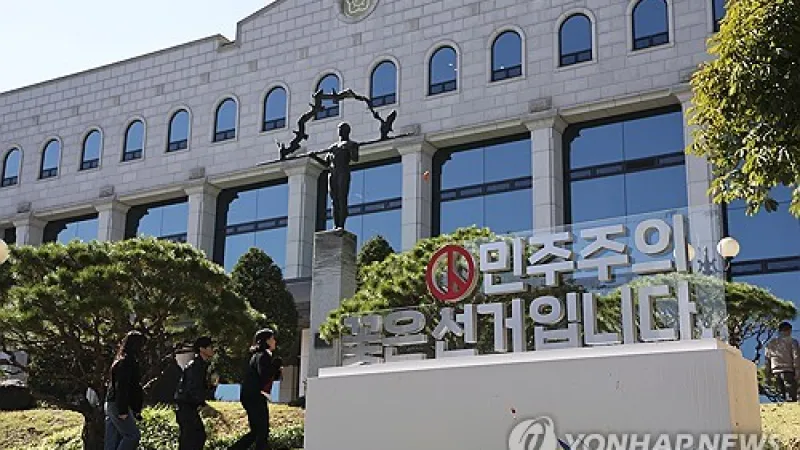
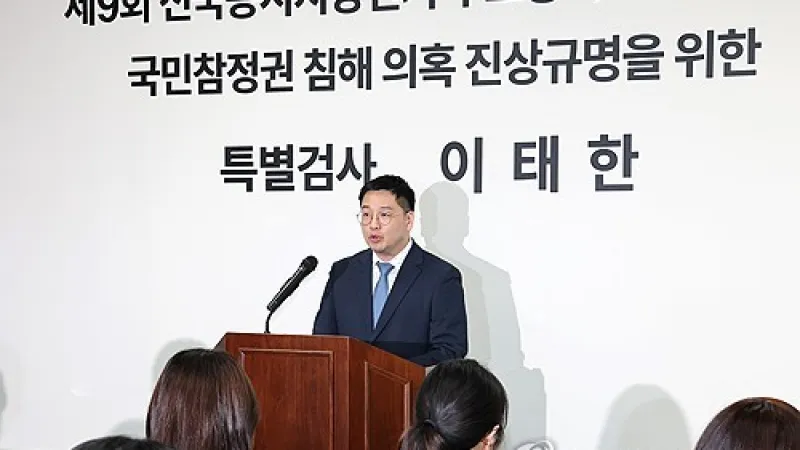
SEOUL, November 12, 2026 – Special counsel investigators on Tuesday conducted a sweeping raid on the National Election Commission (NEC) headquarters in Gwacheon, just south of the capital, and other related offices. The operation stems from serious allegations that the electoral body fabricated a critical document concerning its internal security protocols, marking a significant escalation in the probe into potential administrative malfeasance and a breach of public trust within the nations highest electoral authority.
The document at the center of the investigation reportedly pertains to an internal security audit or inspection, designed to assess vulnerabilities and ensure compliance within the NECs systems. This alleged fabrication raises profound questions about the transparency and integrity of the commissions operations, especially in an era of heightened concerns over electoral security.
This special counsel investigation was reportedly initiated following persistent public concerns and media reports about irregularities within the NEC. The appointment of an independent investigative body underscores the gravity of the claims, moving beyond routine administrative inquiries to a criminal probe. The focus on a fabricated document suggests an attempt to conceal or misrepresent crucial information.
A raid on the National Election Commission, the independent body constitutionally mandated to manage and oversee all elections in South Korea, reverberates deeply across the political landscape. It inevitably fuels public skepticism about the robustness of democratic processes and the accountability of state institutions.
During the extensive operation, investigators reportedly seized a substantial volume of evidence. This included computer hard drives, internal administrative records, and various communication devices from several NEC departments directly implicated in the alleged document fabrication. These materials are expected to provide critical insights into the scope and nature of the alleged misconduct.
While the National Election Commission has publicly affirmed its full cooperation with the special counsel, emphasizing its unwavering commitment to transparency and adherence to legal procedures, the unfolding events cast a shadow over its reputation. Public statements have largely focused on facilitating the investigation rather than directly addressing the specific allegations.
The legal ramifications for individuals found responsible for fabricating official documents are severe. Potential charges could include obstruction of justice, official misconduct, fraud, or abuse of power, depending on the specifics uncovered by the special counsel. Such offenses carry significant penalties under South Korean law.
This incident has inevitably sparked renewed public debate regarding the oversight mechanisms governing independent constitutional bodies like the NEC. Calls for more rigorous internal audits and external accountability measures are likely to intensify as the investigation progresses, aiming to prevent future breaches of public trust.
The broader context of security vulnerabilities in South Korean institutions is not new. Similar concerns arose when South Koreas Financial Security Institute was breached, sparking urgent cyber concerns. This earlier incident highlights a persistent need for robust security frameworks and unimpeachable integrity within government agencies.
The special counsels investigation is expected to be thorough and protracted, likely continuing for several weeks or even months. Further raids, summonses of key personnel, and intensive interrogations are anticipated as investigators meticulously piece together the events surrounding the alleged fabrication. The nation watches closely for clarity on these serious allegations impacting its electoral foundation.
The primary objective of the special counsel is to determine precisely who was involved in the alleged fabrication, the motivations behind it, and whether there was any systemic failure within the NEC that allowed such an incident to occur. This probe aims to restore confidence in the electoral system ahead of future polls.
Ultimately, the integrity of the National Election Commission is paramount for the health of South Koreas democracy. The special counsels findings will be crucial in either vindicating the institution or holding accountable those responsible for actions that undermine the public trust.