 Demian Sahputra
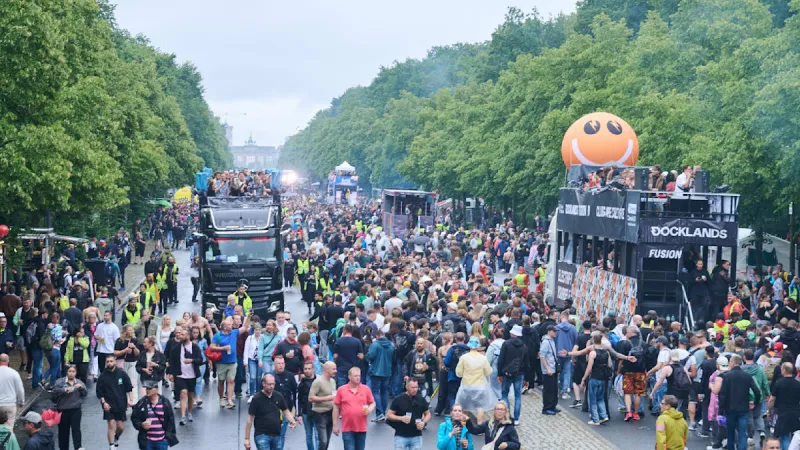
Berlin is implementing significantly heightened security protocols for the upcoming "Rave the Planet" techno parade, following a prior CSD attack in the German capital. Authorities are deploying additional personnel and resources to ensure public safety, with the Federal Police Union acknowledging the omnipresent threat of a worst-case scenario at large-scale public gatherings.
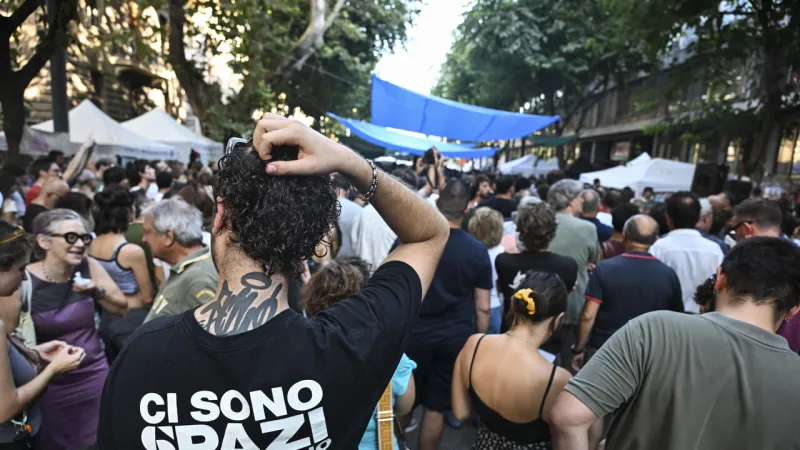
The annual celebration of electronic music and culture, "Rave the Planet," draws hundreds of thousands of participants to the streets of Berlin. This year, however, the festive atmosphere is tempered by a palpable awareness of potential risks, prompting a comprehensive security overhaul by municipal and federal forces.
Manuel Ostermann, Chairman of the Federal Police Union, underscored the gravity of the situation in a statement. "The worst-case scenario is always present," Ostermann affirmed, highlighting the persistent challenges faced by law enforcement agencies in safeguarding major public events against unforeseen threats.
Security officials have meticulously planned for every contingency, integrating lessons learned from past incidents, including the CSD attack that rattled Berlin's sense of urban tranquility. The CSD, or Christopher Street Day, event, a vibrant parade celebrating LGBTQ+ rights, experienced a security breach that has since led to intensified scrutiny of all large-scale public assemblies.
Measures include increased police presence, both uniformed and plainclothes officers, along the entire parade route. Access points are subject to stricter controls, and surveillance technologies are being deployed to monitor crowds and identify potential threats swiftly.
Organizers of "Rave the Planet" have collaborated closely with Berlin police and emergency services to integrate these enhanced security arrangements seamlessly. Their collective aim is to preserve the spirit of the event while prioritizing the well-being of all attendees.
The public has been advised to remain vigilant and cooperate with security personnel. Information campaigns are underway to inform participants about emergency exits, first aid stations, and behavioral guidelines designed to minimize risks.
This proactive stance reflects a broader national strategy in Germany to fortify public events against potential acts of violence or disruption. The government remains committed to enabling cultural gatherings while adapting to an evolving security landscape.
The legacy of the CSD attack serves as a stark reminder of the vulnerabilities inherent in open, democratic societies. It has spurred a re-evaluation of security paradigms, influencing how events like "Rave the Planet" are now conceived and executed.
Despite the heightened security, organizers remain optimistic that "Rave the Planet" will proceed as a powerful statement of unity and freedom through music. The event's ethos of peace, love, and techno is expected to prevail, albeit under a watchful eye.
Further details regarding specific traffic diversions and public transport adjustments will be disseminated in the days leading up to the event. Authorities urge both residents and visitors to consult official channels for the latest updates.
The balance between robust security and the unrestricted enjoyment of public life continues to be a central debate in many European cities. Berlin's approach to "Rave the Planet" exemplifies this ongoing effort to strike that delicate equilibrium.
The preparations also involve collaboration with intelligence agencies to assess any credible threats, ensuring a multi-layered defense strategy. This intelligence-led approach is critical for preempting rather than merely reacting to potential dangers.
Local businesses along the parade route are also part of the security network, with many receiving guidance on how to report suspicious activities and assist attendees in case of an emergency. This community involvement strengthens the overall resilience of the event.
The enduring popularity of "Rave the Planet" underscores the public's desire for such cultural experiences, even amidst heightened global uncertainties. The city's determination to host the event, coupled with stringent security, reflects a commitment to normalcy and resilience.