 Chandra Wijayanto
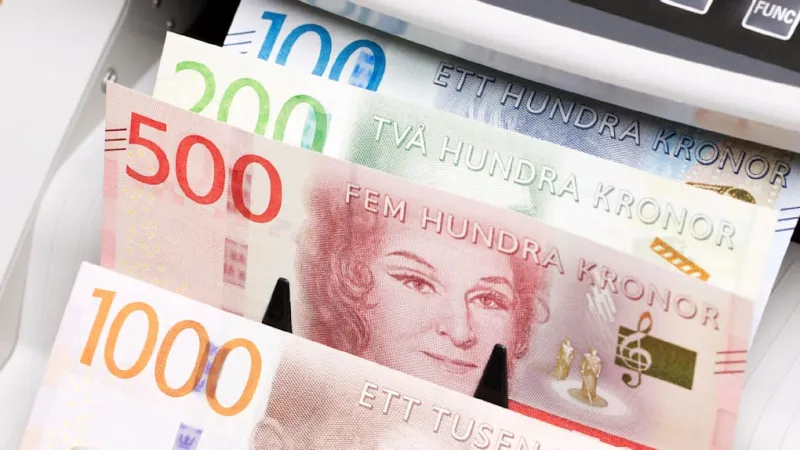
STOCKHOLM – Sweden, a nation long lauded for its rapid ascent towards a cashless society, now navigates a dramatic policy reversal as its government mandates all businesses to accept physical currency. This legislative shift, enacted recently, compels retailers and service providers to handle krona banknotes and coins, a move that has met with considerable public ambivalence despite the government's articulated rationales.
For years, Sweden stood as a global exemplar of digital payment adoption, with a declining reliance on physical cash. Mobile payment apps like Swish and card transactions became the norm, pushing the country to the brink of becoming entirely cashless. This transformation was often heralded as a symbol of modernity and efficiency.
However, the rapid disappearance of cash began to expose unforeseen vulnerabilities and societal challenges. Concerns mounted regarding the financial exclusion of certain demographics, particularly the elderly, immigrants, and individuals with disabilities who often struggled with digital platforms or lacked access to necessary technology.
The Swedish Riksbank, the central bank, has voiced apprehensions for several years about the implications of an exclusively digital economy. It highlighted potential issues such as system failures, cyberattacks, and the impact on the nation's financial stability during crises where digital infrastructure might be compromised.
The new legislation, which requires businesses to accept cash as a valid form of payment, directly addresses these growing concerns. While specific details of its enforcement and scope are still being digested by the business community, the intent is clear: to ensure fundamental payment options remain universally accessible.
Public reaction to this directive has been mixed. Many Swedes have become accustomed to the convenience of digital transactions and view the reintroduction of mandatory cash acceptance as a step backward. They cite hygiene concerns, the potential for increased theft, and the additional logistical burden on businesses.
Conversely, advocates for cash payment welcome the move, emphasizing freedom of choice and the importance of a resilient payment system. They argue that a society reliant solely on digital transactions hands too much power to banks and technology companies, potentially eroding personal privacy and control over finances.
The government's decision is underpinned by a broader recognition of national security. In an era of heightened geopolitical instability and cyber threats, maintaining a robust, alternative payment method is deemed crucial for the nation's economic continuity and resilience in emergency situations.
Retailers, who had increasingly opted to go cash-free to reduce costs associated with cash handling, security, and reconciliation, now face adjustments. This includes retraining staff, investing in cash registers, and securing cash transport services, all of which represent unexpected operational expenses.
Economists are closely observing the long-term ramifications of this policy. While some foresee a slight slowdown in the country's digital payment innovation, others view it as a pragmatic recalibration, balancing technological advancement with essential societal safeguards. This legislative pivot underscores a critical global debate about the future of money and the responsibilities of governments in ensuring equitable and secure financial access for all citizens.