 Debby Wijaya
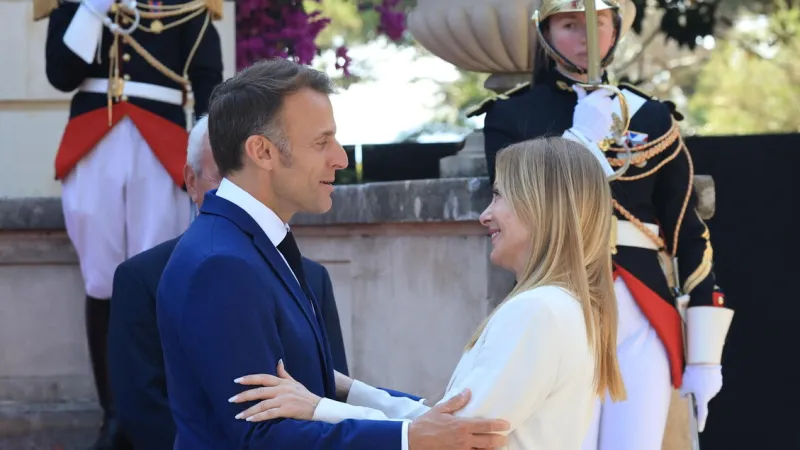
French President Emmanuel Macron and Italian Prime Minister Giorgia Meloni convened recently to underscore the enduring and vital partnership between their two nations, declaring them "natural and indispensable partners" in advancing European stability and shared objectives. The leaders articulated a mutual commitment to fortify bilateral relations, with a particular emphasis on deepening defense collaboration, sustaining steadfast support for Ukraine, reinforcing peace operations, and fostering common security initiatives across the continent.
"We want to project our relationship towards the future with clear objectives," Prime Minister Meloni stated, reflecting the joint ambition to move beyond immediate concerns and establish a long-term strategic alignment. This forward-looking approach seeks to solidify the Franco-Italian axis as a cornerstone of European policy and action.
The discussions placed significant weight on defense matters. Both leaders acknowledged the evolving geopolitical landscape necessitates a more cohesive and robust European defense posture. Their dialogue centered on practical steps to enhance operational synergies and strategic planning.
A pivotal aspect of their defense agenda involved unwavering support for Ukraine. The leaders reiterated their nations commitment to aiding Kyivs sovereignty and territorial integrity against ongoing aggression. This aligns with broader European sentiment, as exemplified by statements from figures like German politician Roderich Kiesewetter, who stressed that Europe Must Secure Ukraines Future.
Beyond Ukraine, Macron and Meloni explored avenues for bolstering European participation in international peace operations. They identified shared interests in contributing to global stability through coordinated efforts, aiming to project European values and security interests beyond the continents borders. Common security, they affirmed, is not merely a national prerogative but a collective responsibility.
The Franco-Italian relationship has historically fluctuated, yet moments of strong collaboration often define its trajectory. This latest affirmation of partnership builds upon a foundation of shared cultural heritage, economic interdependence, and common European ideals.
The two nations represent significant economic powers within the European Union. Their intertwined economies contribute substantially to the blocs overall prosperity. Enhanced political cooperation often translates into strengthened economic ties, fostering trade and investment opportunities.
Setting clear objectives for the future implies a structured approach to bilateral engagement. These objectives likely encompass areas such as energy transition, digital sovereignty, and addressing migration challenges, all of which require concerted action from leading EU members.
As two of the largest and most influential members of the European Union, France and Italy bear a substantial responsibility in shaping the blocs direction. Their united front on critical issues sends a powerful signal to other member states and to the international community.
The consensus forged between Macron and Meloni will likely reverberate through EU institutions, influencing policy debates and decisions, particularly concerning defense, foreign affairs, and the Unions strategic autonomy.
While acknowledging their shared vision, the complexities of bilateral relations inherently involve nuances. Leaders continually work to bridge any differing perspectives through dialogue, prioritizing the overarching goal of European unity and effectiveness.
This renewed commitment to an "indispensable partnership" serves as a testament to the ongoing efforts to forge a more integrated and resilient Europe capable of addressing the multifaceted challenges of the 21st century.