 Angel Doris
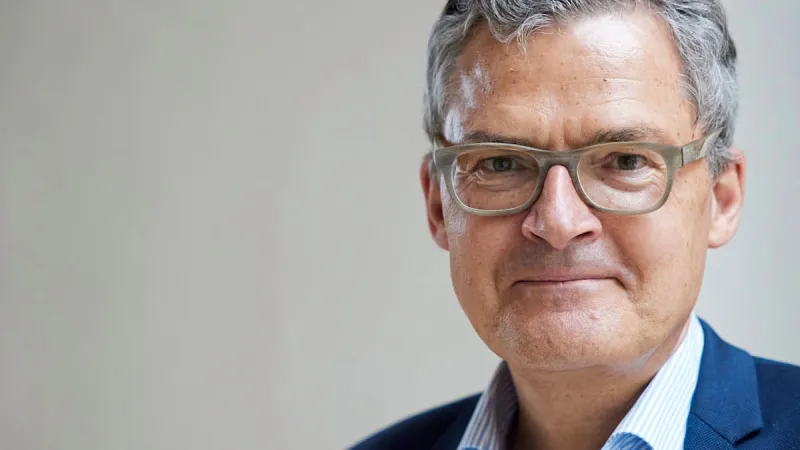
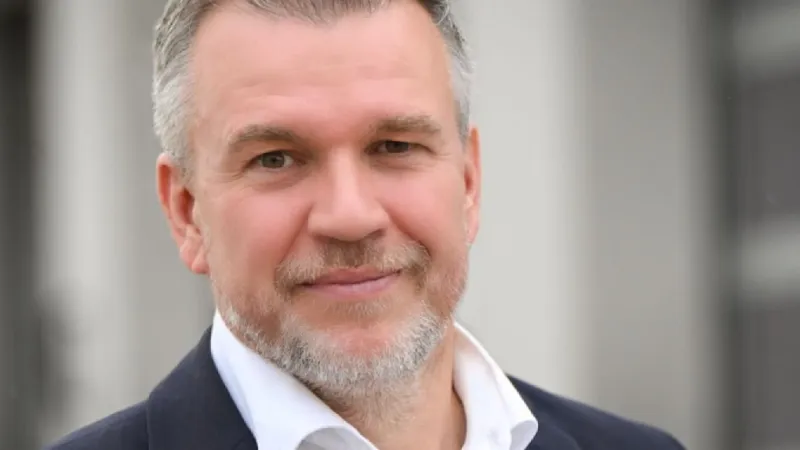
Roderich Kiesewetter, a member of the Christian Democratic Union (CDU) and the German Parliament's Foreign Affairs Committee, recently delivered a stark assessment of Russia's current trajectory, declaring that “Russia is currently destroying itself – We must do everything to give Ukraine a chance.” His comments underscore a growing sentiment among European strategists regarding the urgent need for robust continental support for Ukraine.
Kiesewetter's assertion comes amidst ongoing geopolitical turbulence, highlighting what he perceives as internal systemic vulnerabilities within Russia that are exacerbating its international standing and internal stability. This perspective suggests a strategic window of opportunity for the West, particularly Europe, to decisively influence the conflict's outcome.
The CDU lawmaker emphasized that providing comprehensive and consistent support to Ukraine is not merely an act of solidarity but a strategic imperative for European security. He did not specify the exact nature of “everything” required, but such calls typically encompass military aid, financial assistance, humanitarian support, and diplomatic backing.
Crucially, Kiesewetter advocated for an explicit pathway for Ukraine toward integration into both the European Union and NATO. Such a commitment, he argued, would offer a clear long-term perspective for Kyiv, reinforcing its sovereignty and providing a powerful deterrent against further Russian aggression. A defined future within these key Western institutions is seen as pivotal for Ukraine's post-conflict reconstruction and enduring stability.
Beyond immediate support for Ukraine, the Foreign Affairs Committee member also championed a more profound shift in European strategic thinking: greater security policy independence from the United States. This call reflects a long-standing debate within European capitals about the continent's reliance on American military might and leadership.
For decades, the North Atlantic Treaty Organization, with the United States at its core, has been the bedrock of European defense. However, global power shifts and evolving political landscapes, particularly under President Donald Trump's administration, have spurred discussions on Europe's capacity to manage its own security challenges.
Kiesewetter's argument posits that while transatlantic cooperation remains vital, Europe must develop stronger autonomous capabilities. This would entail increased defense spending, enhanced military coordination among EU member states, and a more coherent European foreign policy to respond to regional and global threats without sole reliance on Washington.
Such strategic autonomy would enable Europe to project its interests more effectively and contribute to global stability, even as the United States navigates its own domestic and international priorities. The ongoing conflict in Ukraine has intensified these discussions, showcasing both the strengths of collective action and the potential vulnerabilities of dependency.
The integration of Ukraine into the European security architecture, coupled with Europe's enhanced self-reliance, forms a two-pronged approach championed by Kiesewetter. He envisions a more resilient, capable Europe that can proactively shape its security environment rather than merely reacting to external pressures.
The former military officer's comments resonate with a broader push in Germany and across the EU to bolster defense capabilities and reassess alliances in a rapidly changing world. The consensus building around a more independent European security posture suggests a significant evolution in continental defense strategy, with Ukraine's future firmly intertwined with this vision.
Ultimately, Kiesewetter's statements highlight a critical juncture for European foreign and security policy, urging decisive action to both support Ukraine and forge a more self-sufficient and assertive European role on the global stage.