 Dodi Irawan
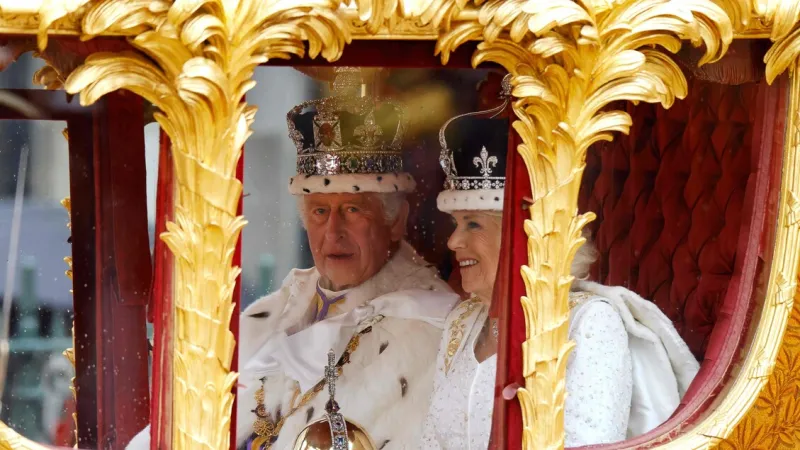
LONDON – King Charles III and Queen Camilla are reportedly vacating Buckingham Palace, a move that has ignited a storm of public criticism concerning the substantial costs incurred from its extensive refurbishment. The decision to depart the iconic royal residence, a symbol of the British monarchy, comes amidst allegations of wasteful spending on a renovation project intended to secure the palace for future generations.
The controversy centers on the perceived irony of the monarchys principal residence undergoing a multi-million-pound overhaul, only for its senior members to relocate upon completion. Critics argue that taxpayer money has been mismanaged, raising questions about accountability and the strategic planning of such a significant undertaking.
While specifics of the total renovation bill remain under scrutiny, the public conversation highlights the paradox of extensive public investment in a property that will no longer serve as the primary residence for the reigning monarchs. This discussion unfolds even as financial disclosures confirm King Charles III is notably among the top one hundred taxpayers in the United Kingdom, contributing significantly to the national exchequer.
Public sentiment reflects a blend of bewilderment and frustration. Many citizens express concern over what they perceive as frivolous spending at a time when numerous households face economic pressures. Social media platforms and traditional news outlets are abuzz with debates over the monarchy's financial transparency and its utilization of national resources.
Buckingham Palace has served as the official London residence of the UK monarchs since the accession of Queen Victoria in 1837. Beyond its residential function, it is a working palace, hosting numerous official events, state banquets, and investitures throughout the year, making its future residential status a point of considerable public interest.
The extensive renovation, part of a Decennial Programme, aimed to upgrade essential services, including electrical wiring, plumbing, and heating systems, many of which had not been replaced since the 1950s. The objective was to prevent catastrophic failures and to make the palace more energy-efficient and accessible.
While no official statement directly addresses the wasteful spending claims, sources close to the palace have previously emphasized the necessity of the renovations for the long-term preservation of a national heritage asset. The argument often posits that maintaining the palace is not merely a royal prerogative but a custodianship of a globally recognized landmark.
The King and Queen Consort possess several other residences, including Clarence House, which King Charles III occupied before his ascension, and Sandringham House in Norfolk. Speculation mounts regarding which of these, or another, will now serve as their more permanent base, though official announcements have been scarce.
This development arrives during a period of evolving public perception toward the British monarchy. Discussions about its relevance, cost, and role in modern society are ongoing. The decision to move from Buckingham Palace, combined with the renovation controversy, inevitably adds another layer to these broader societal conversations.
The coming months will likely see continued public and parliamentary interest in the detailed rationale behind the Kings and Queens relocation and the ultimate purpose and management of Buckingham Palace. The monarchys advisers face the challenge of clearly articulating the strategic long-term vision for the palace and its royal occupants to allay public concerns.
Critics underscore that the perception of fiscal imprudence could erode public trust, particularly given the symbolism associated with the monarch serving as a figurehead for the nation. The public expects judicious handling of funds, especially those allocated to institutions supported by taxpayers.
There is a growing chorus of voices calling for greater transparency regarding the royal households finances and decision-making processes, particularly concerning property management. This renewed scrutiny highlights a persistent tension between tradition and modern demands for accountability.
Buckingham Palace also stands as a significant tourist attraction, drawing millions annually and contributing to the UK economy. Its operational status and whether it will retain its full public-facing role after the royal couples departure remain critical considerations for the tourism sector and the wider cultural landscape.
Ultimately, the departure of King Charles III and Queen Camilla from Buckingham Palace, while perhaps a practical decision for the royal couple, has inadvertently magnified the perennial debate about royal expenditure and the publics investment in the monarchy. The cost of maintaining historic residences, particularly when they are also private homes for the sovereign, consistently presents a challenge for public relations.