 Dorry Archiles
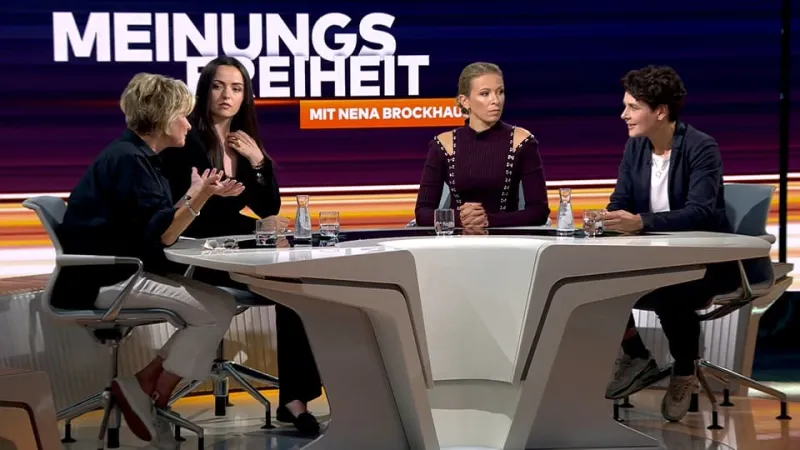
BERLIN – A distinguished panel of German public figures, including taz journalist Anna Lehmann, entrepreneur Louise Farina, and journalist Susanne Gaschke, recently convened in a studio for the program “MEINUNGSFREIHEIT” to dissect pressing political topics and the nation's evolving public sentiment. The discussion offered a candid examination of contemporary issues shaping Germany, reflecting diverse viewpoints on the countrys trajectory.
The program, known for its commitment to open discourse, provided a platform for participants to articulate perspectives that often challenge mainstream narratives. This particular episode aimed to delve into the underlying currents of opinion that are increasingly influencing national dialogues, touching upon citizens perceived desire for change or even disengagement.
Central to the debate was an exploration of the sentiment, as implied by the original episode title, that some individuals “prefer to be out of Germany.” This evocative phrase served as a catalyst for a deeper conversation about the factors contributing to societal discontent, ranging from economic pressures to cultural shifts and perceived political stalemates.
Anna Lehmann, a seasoned voice from taz, offered insights rooted in her journalistic observations of socio-political trends. Her contributions centered on how media narratives reflect or shape public opinion regarding Germanys standing within Europe and globally.
Louise Farina, representing the family enterprise sector, provided a pragmatic viewpoint on the economic ramifications of current policies. Her perspective shed light on how business owners and their employees perceive the future stability and attractiveness of Germany as an economic hub.
Veteran journalist Susanne Gaschke, known for her sharp analysis, brought a critical eye to the broader political landscape. Her commentary focused on the efficacy of government responses to societal challenges and the implications for democratic engagement.
The discussion also subtly intersected with broader international political narratives that frequently impact Germany. Recent events, such as those highlighted by the G7 Summit Evian: Trump Hails Ukraine Momentum Amid Russia Pressure, underscore Germanys integral role in global diplomacy and the constant pressure of international relations on domestic policy.
Panelists likely addressed domestic policy challenges, including debates on immigration, energy transition, and social cohesion. These issues frequently fuel public discourse and contribute to the sentiment of unease or hope for national direction.
The core concept of “MEINUNGSFREIHEIT” itself was central to the shows premise. The discussion examined whether the current political climate fosters or inhibits genuine freedom of expression and how this impacts the overall health of German democracy.
While the phrase “prefer to be out of Germany” might suggest literal emigration for some, the panel explored its metaphorical implications: a desire for political alternatives, a yearning for different societal values, or a simple expression of frustration with the status quo. The nuanced conversation aimed to unpack these complex layers of public sentiment.
Ultimately, the episode of “MEINUNGSFREIHEIT” served as a crucial forum for examining the pulse of the German nation. It underscored the importance of diverse voices in understanding and navigating the challenges and aspirations that define the country in 2026.