 Demian Sahputra
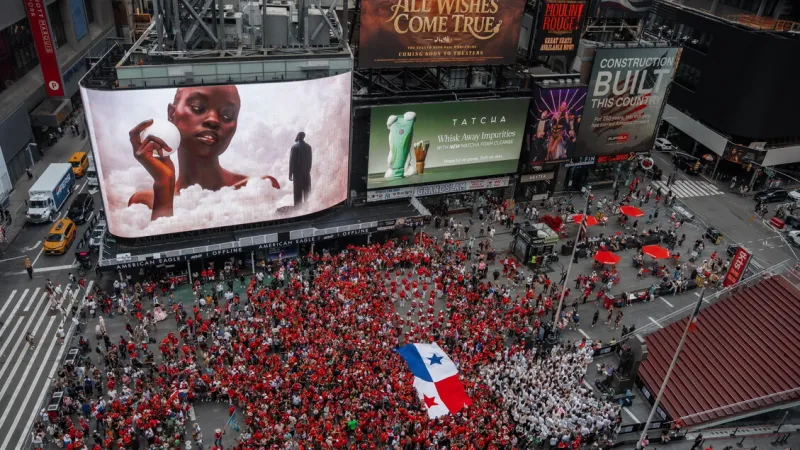
New York and Los Angeles lead as the priciest destinations for global sports enthusiasts, yet World Cup fans are largely undeterred by the phenomenon of funflation, choosing to embrace escalating travel and event costs fueled by a strong desire to participate in the prestigious tournament. The widespread sentiment of you only live once combined with the compelling fear of missing out (FOMO) propels supporters to allocate significant resources, ensuring their presence at the quadrennial spectacle, even as expenses climb across major cities.
Funflation, a portmanteau of fun and inflation, describes the rapid increase in prices for leisure activities, entertainment, and travel. This economic trend has been particularly pronounced in the post-pandemic era, as consumers, eager for experiences after periods of restriction, drive up demand, allowing businesses to raise prices across the board for concerts, festivals, and major sporting events like the World Cup.
The psychological force of FOMO proves to be a powerful motivator. For many football aficionados, attending the World Cup is a bucket-list item, a chance to witness history unfold and be part of a global collective experience. This deep-seated desire often overshadows rational financial considerations, compelling individuals to spend beyond their usual budgets to secure a spot in the stadiums and vibrant fan zones.
Accompanying FOMO is the pervasive you only live once (YOLO) philosophy, which champions seizing opportunities and prioritizing experiences over saving. This mindset, popular among younger demographics and those seeking memorable moments, reinforces the decision to invest heavily in World Cup travel, viewing it as a once-in-a-lifetime journey rather than a discretionary expense.
The financial burden extends across multiple facets of the fan experience. Airfare, accommodation, match tickets, and local transportation all see substantial price hikes in host cities and surrounding major travel hubs. Reports indicate that hotel rates can quadruple during the tournament period, while flight costs often surge well above seasonal averages, creating a challenging landscape for budget-conscious travelers.
As the World Cup progresses through its various stages, from group play to the intense eliminator rounds, fan demand intensifies. Articles such as World Cup Eliminator Rounds Start: South Africa Faces Canada highlight the escalating excitement and competitive spirit that further fuels the desire to be present, regardless of cost.
Major urban centers such as New York and Los Angeles, serving as critical international gateways and often hosts to pre-tournament events or viewing parties, exemplify the peak of funflation. Their established reputations for high living costs are exacerbated during global events, making them particularly expensive touchpoints for travelers en route to the actual host nations.
Despite the economic pressures, fan loyalty and the cultural significance of the World Cup remain paramount. Supporters often make significant sacrifices, saving for years or utilizing credit, to fund their trips. This dedication underscores the event's unique status as more than just a sports competition; it is a global cultural phenomenon that transcends typical economic models.
The resilience of consumer spending in the face of funflation also reflects a broader trend in the global economy. As central banks grapple with persistent inflationary pressures, the leisure and entertainment sectors continue to demonstrate robust demand, suggesting that consumers prioritize experiences even when overall purchasing power is eroded.
Economists are observing this trend with keen interest, noting how different sectors respond to inflationary environments. While everyday goods may see some demand elasticity, high-value, emotionally charged experiences like the World Cup appear to defy conventional economic sensitivities, driven by a blend of passion, social connection, and the desire for unparalleled memories.
The long-term implications of sustained funflation on event accessibility are a growing concern. If prices continue their upward trajectory, future World Cups and similar global spectacles risk becoming exclusive to affluent attendees, potentially alienating a significant portion of the global fan base that traditionally forms the backbone of such events.
However, for now, the fervor of the World Cup experience continues to outweigh financial constraints for millions. From bustling fan zones to packed stadiums, the collective energy demonstrates an unwavering commitment to the beautiful game, proving that for many, the cost of an unforgettable memory is a worthwhile investment, even in an era of escalating funflation.