 Robert Andrison
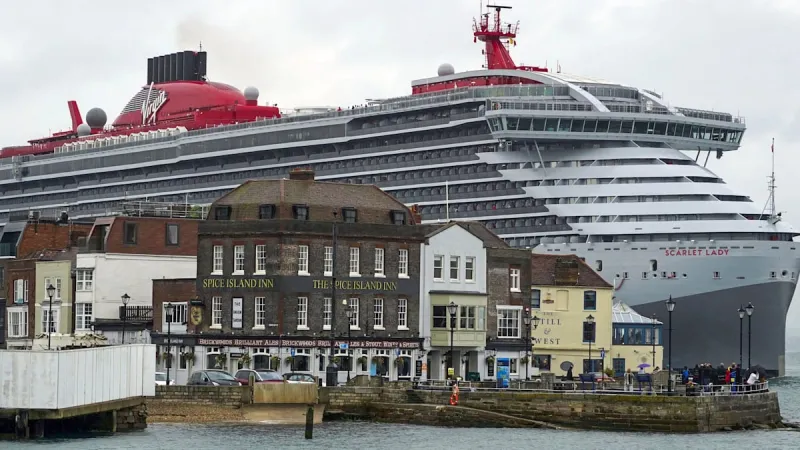
ISTANBUL – The Turkish government has refused port entry to the cruise ship Scarlet Lady, operated by Virgin Voyages, preventing its predominantly LGBTQ passenger manifest from disembarking in Istanbul. The decision, officially communicated by Turkish authorities, cited what it termed incompatible moral values, prompting an immediate rerouting of the vessel to alternative destinations in Egypt and Crete.
The incident marks a significant development in the intersection of international tourism, national sovereignty, and social policy, raising questions about freedom of travel and cultural acceptance. The Scarlet Lady, known for its adult-only cruises and inclusive branding, had scheduled Istanbul as a key stop on its current Mediterranean itinerary.
The denial of entry occurred recently, forcing the cruise line to adjust its schedule with short notice. Passengers aboard the vessel were informed of the change, reportedly leading to widespread disappointment and confusion regarding the abrupt alteration of their travel plans.
Virgin Voyages, a company that has actively cultivated a reputation for diversity and inclusion, targets a demographic that often includes members of the LGBTQ community. The Scarlet Lady itself is often celebrated for fostering an open and welcoming environment for all guests, irrespective of sexual orientation or gender identity.
Turkey's justification for the ban centered on the phrase “unvereinbaren moralischen Werten,” which translates to incompatible moral values. This declaration from a sovereign nation, while within its rights to regulate port access, sends a clear message about its stance on certain social issues to the international community and the tourism industry.
Historically, Turkey has presented itself as a bridge between East and West, balancing conservative traditions with aspirations for modernity and a robust tourism sector. This latest move, however, could be perceived as aligning with a more conservative trajectory regarding social norms and freedoms within the nation.
The economic implications for Istanbul, a city heavily reliant on tourism, could be considerable. Cruise ship visits bring thousands of passengers and crew members who contribute to the local economy through spending on excursions, dining, and shopping. Such bans could deter future cruise lines from including Turkish ports in their itineraries, potentially impacting local businesses and employment.
The rerouting of the Scarlet Lady to Egypt and Crete highlights the adaptability of the cruise industry while simultaneously underscoring the challenges faced when navigating diverse global social landscapes. These alternative destinations are now tasked with accommodating a sudden influx of visitors, potentially stressing their own tourism infrastructures.
Reactions from passengers aboard the Scarlet Lady have reportedly ranged from frustration to calls for greater awareness and advocacy for LGBTQ rights globally. Many expressed dismay that a leisure trip could be impacted by what they viewed as discriminatory policies.
International human rights organizations have consistently monitored the status of LGBTQ rights in various countries, and incidents such as this often draw their attention. While specific statements regarding this event are pending, the incident contributes to a broader global dialogue about respecting diverse populations in travel and commerce.
For the cruise industry, the event serves as a stark reminder of the complexities of international travel and the need for operators to stay abreast of the socio-political climates of their port destinations. Companies may increasingly factor such considerations into future route planning to mitigate potential disruptions and ensure consistent guest experiences.
As of 2026, the global landscape continues to evolve, with nations navigating the balance between national identity, cultural preservation, and the demands of an interconnected world. The Scarlet Lady incident in Istanbul underscores this delicate equilibrium, particularly when it intersects with personal freedoms and the burgeoning global LGBTQ travel market.
The decision by Turkish authorities to bar the Scarlet Lady carries symbolic weight, marking a moment where cultural values explicitly shaped an international commercial interaction. It prompts further examination of how differing moral frameworks will continue to influence international relations and cross-cultural exchanges in the years ahead.
Observers worldwide will be watching to see if this incident portends a broader trend of more restrictive policies by certain nations concerning tourism and social groups, or if it remains an isolated, albeit impactful, event in the annals of cruise travel.