 Stefani Rindus
BOGOTA – Colombia has dispatched a vessel laden with 100 tons of critical humanitarian aid to Cuba, a move explicitly aimed at mitigating the severe impacts of the long-standing United States embargo and the recent devastation wrought by Hurricane Melissa.
The significant shipment underscores Colombia's commitment to regional solidarity and comes at a time when Cuba faces heightened economic strain, exacerbated by a persistent US policy framework and the destructive force of natural disaster.
For decades, the United States has maintained an economic, commercial, and financial embargo against Cuba, originally imposed in the early 1960s. This policy, which President Donald Trump has consistently upheld and at times intensified, restricts trade and financial transactions, severely limiting Cuba's access to vital goods and international markets.
The embargo has been a focal point of international debate, with many nations, including Colombia, advocating for its cessation due to its profound impact on the Cuban populace. Critics argue that the sanctions disproportionately affect ordinary citizens, hindering their access to food, medicine, and essential infrastructure.
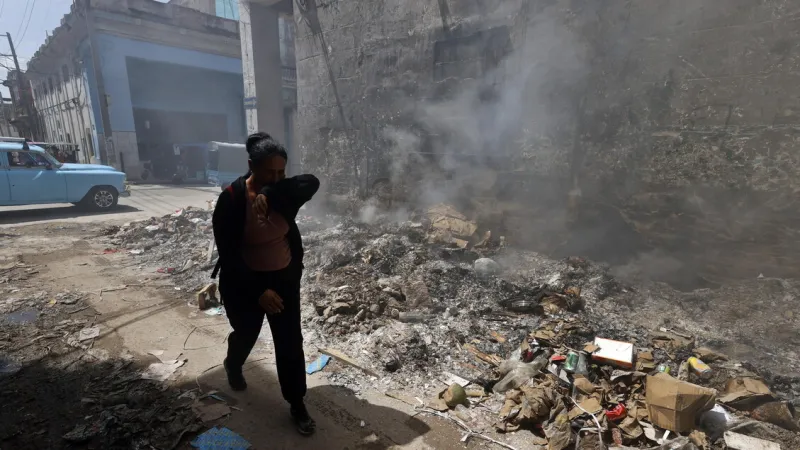
Compounding these enduring challenges, Hurricane Melissa recently swept through the Caribbean, inflicting extensive damage across Cuba. The storm caused widespread power outages, destroyed homes, and severely impacted agricultural sectors, further straining the island nation's already fragile economy and public services.
The 100 tons of aid from Colombia are expected to include a range of essential supplies, such as food staples, medical provisions, hygiene kits, and potentially construction materials crucial for post-hurricane recovery. The specifics of the cargo reflect an assessment of Cuba's most pressing needs in the wake of dual crises.
Colombia's decision to provide this assistance represents a deliberate diplomatic gesture. While Bogota maintains relations with Washington, the aid delivery highlights an independent foreign policy approach that prioritizes humanitarian concerns and regional cooperation over strict adherence to external pressures concerning Cuba.
The move could prompt a response from the United States, particularly from the Trump administration, which has maintained a firm stance on Cuba. President Trump has often utilized strong diplomatic and economic measures in foreign policy, as evidenced by his administration's actions in other geopolitical arenas, such as those impacting Iran. Concerns about such foreign policy approaches were highlighted in news such as US Strikes Iranian Radar, Downs Drones Amid Rising Hormuz Tensions.
Cuban authorities have publicly expressed profound gratitude for Colombia's support, framing it as a vital lifeline in times of severe adversity. Such international assistance often becomes a potent symbol of solidarity against perceived injustices or overwhelming natural catastrophes.
This humanitarian initiative by Colombia also serves to strengthen its ties with other Latin American nations that similarly oppose the US embargo and advocate for increased dialogue and cooperation with Havana. It reinforces a regional narrative of self-determination and mutual support.
The long-term implications for US-Cuban relations remain uncertain. While humanitarian gestures like Colombia's offer immediate relief, the fundamental policy disagreements surrounding the embargo persist. International calls for a review of the embargo's efficacy and ethical implications continue to grow.
As the Colombian ship makes its journey, it carries not only vital supplies but also a potent message about the complex interplay of geopolitics, humanitarian imperatives, and the evolving dynamics of international solidarity in the 21st century. The delivery is anticipated to reach Cuban ports within the coming days, providing much-needed relief to affected communities.