 Chandra Wijayanto
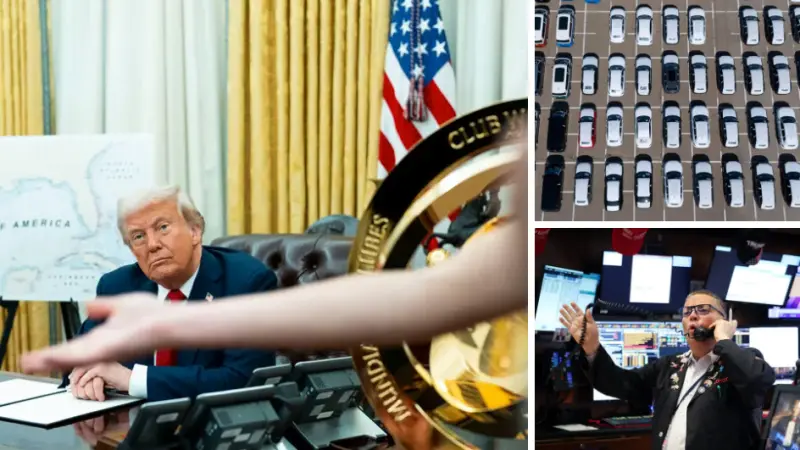
WASHINGTON — President Donald Trump today issued an unequivocal call to American businesses, encouraging them to voluntarily forgo seeking tariff refunds from the government. The appeal, made during a White House press briefing, aims to bolster national coffers and reinforce economic stability amid ongoing global trade complexities in 2026.
The President emphasized that foregoing these refunds, often stemming from exemptions or legal challenges to existing import duties, would serve as a crucial patriotic contribution. He positioned the move as vital for sustaining domestic industries and protecting American jobs in a competitive international landscape.
This initiative comes as the administration continues to navigate a complex web of trade agreements and disputes, particularly with major economic powers. Tariffs, originally implemented to protect various sectors from foreign competition, have generated substantial revenue for the U.S. Treasury, which President Trump indicated is best utilized for national priorities.
Sources close to the administration suggest the President believes that while companies are legally entitled to these refunds, a collective decision to waive them would send a powerful message of corporate responsibility and national unity. The estimated value of potential refunds currently under consideration by businesses could amount to billions of dollars, a sum the White House views as critical.
Industry leaders and economic analysts are closely monitoring the voluntary appeal. Some business groups, historically advocating for such refunds to reduce operational costs, are now weighing the political optics against their bottom lines. The President's direct address places considerable moral pressure on corporations.
The practice of seeking tariff refunds is a well-established mechanism, allowing importers to reclaim duties paid on goods that later qualify for exemptions, such as those used in products exported from the U.S., or under specific trade programs. Companies often rely on these refunds to manage cash flow and maintain competitiveness.
However, President Trump argued that the nation's broader economic health transcends individual corporate entitlements in the current global climate. He highlighted the administration's commitment to prioritizing American manufacturing and strategically deploying financial resources to maintain the country's economic edge.
"We are asking our great American companies, those who truly believe in America First, to consider the bigger picture," President Trump stated, adding, "Every dollar kept in our national treasury is a dollar that can defend our workers, build our infrastructure, and ensure our future prosperity."
The appeal follows months of internal discussions within the Treasury and Commerce Departments regarding the optimal use of tariff revenues. While no legislative changes are immediately proposed to revoke the refund mechanism, the presidential encouragement signifies a distinct shift in executive expectations.
Critics of the approach, primarily from opposition parties and some free-trade advocates, argue that pressuring companies to forgo legal entitlements could set a problematic precedent. They contend that such moves might erode business confidence and complicate long-term investment planning.
Despite these concerns, the President's message resonates with a segment of the business community that aligns with his economic nationalism tenets. These companies often prioritize domestic investment and view strong national finances as a cornerstone of their own long-term success.
The administration has previously implemented tariffs on a wide range of goods, particularly those imported from China, as part of a strategy to rebalance trade deficits. While some of these duties have been subject to review and negotiation, the overall policy direction remains focused on protecting American industries.
The economic impact of President Trump's request will depend heavily on the corporate response. Should a significant number of large multinational corporations comply, the financial implications for the federal budget could be substantial, potentially freeing up funds for other presidential initiatives.
White House economic advisors indicated that the President's stance is not merely about financial gain but also about fostering a culture of shared sacrifice and collective national interest. They argue that this voluntary gesture would exemplify a renewed commitment from the private sector to national economic goals.