 Demian Sahputra
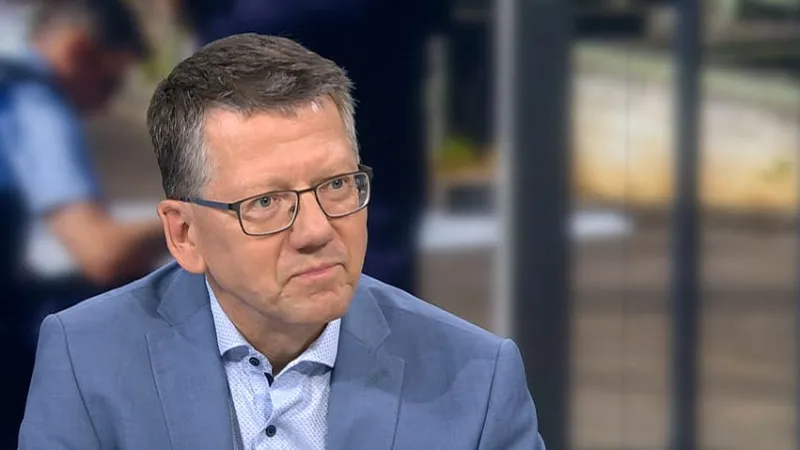
Berlin — Germany has witnessed a profound escalation in politically motivated crimes since 2018, with the total number more than doubling, a trend primarily fueled by a significant rise in left-wing extremism and antisemitic offenses across the nation. Extremism researcher Hendrik Hansen characterized this alarming surge as "a regular scourge of our society," highlighting a deepening societal crisis.
This dramatic increase underscores persistent challenges in combating radical ideologies and protecting minority groups within Germany. The statistics reveal a troubling trajectory, with authorities facing heightened pressure to address the root causes of this societal degradation.
The doubling of politically motivated incidents over an eight-year span, from 2018 to 2026, signals a critical inflection point for German law enforcement and social institutions. These offenses encompass a broad spectrum, ranging from property damage and harassment to violent assaults, all driven by extremist beliefs.
A particularly concerning aspect of this trend is the significant uptick in antisemitic crimes. These incidents often target Jewish individuals, institutions, and memorials, manifesting as hate speech, vandalism, and physical aggression. The resurgence of such hatred evokes painful historical memories and threatens the fabric of a tolerant society.
Left-wing extremism also accounts for a substantial portion of the escalating figures. While often framed as opposition to perceived injustices, some factions resort to violence, targeting political opponents, state symbols, and private property, contributing to the overall climate of unrest.
Hendrik Hansen, a respected voice in extremism studies, did not mince words in his assessment. His description of the phenomenon as "a regular scourge of our society" emphasizes the pervasive and damaging nature of these crimes, which erode public trust and destabilize communities.
The German government has repeatedly affirmed its commitment to combating all forms of extremism. However, the latest figures suggest that existing measures may require reevaluation or intensification to effectively counter the growing tide of hatred and violence.
Public discourse in Germany has grown increasingly polarized, with debates surrounding national identity and political tolerance often becoming heated. Recent events, such as a youth event in the Bundestag being disrupted by a far-right gesture, underscore the fragility of democratic norms and the urgency of civic education. Bundestag Youth Event Rocked by Far-Right Gesture, Expulsion.
Furthermore, the contentious rhetoric from figures like Hocke regarding claims of Deutschsein (Germanness) continues to fuel polarization debates, potentially emboldening extremist elements across the political spectrum. Hockes Deutschsein Claims Spark Outcry, Fuel Polarization Debate.
The rising number of politically motivated crimes, particularly those with antisemitic undertones, poses a significant challenge to Germanys self-image as a country committed to tolerance and human rights. It demands a concerted effort from all sectors of society to uphold democratic values and protect vulnerable populations.
Law enforcement agencies are working to strengthen their intelligence gathering and preventative measures, but the diffuse nature of extremist networks and individual radicalization makes comprehensive intervention a complex task.
Experts suggest that a multi-pronged approach, encompassing robust law enforcement, educational initiatives, and community engagement, is essential to reverse these troubling trends. Fostering a culture of respect and critical thinking remains paramount.
The ongoing societal discussion about migration and integration, while legitimate, can also be exploited by extremist narratives, further complicating efforts to promote social cohesion and prevent radicalization.
As Germany moves further into 2026, the imperative to address the escalating politically motivated crimes and burgeoning antisemitism becomes even more pronounced, reflecting a critical test of the nations democratic resilience and commitment to its foundational principles.