 Robert Andrison
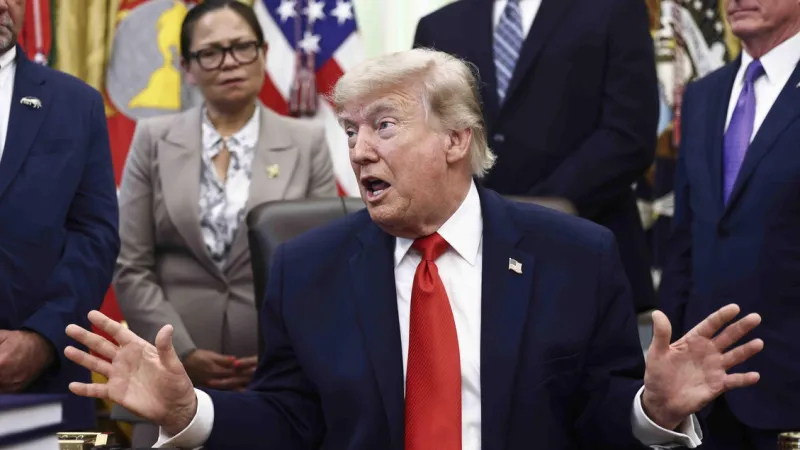
Europe is poised to host a pivotal agreement between Iran and the United States this weekend, signaling a significant de-escalation in long-standing tensions as both parties move towards formalizing a new accord. Iranian media widely reported on Friday that a consensus has been reached, describing the impending document as “our text” and confirming an immediate cessation of military raids by Iran, an overture underscoring the gravity of this diplomatic breakthrough. President Donald Trump has delegated Cyrus Vance to sign the agreement on behalf of the United States.
The forthcoming signing represents a culmination of intense, often discreet, diplomatic efforts aimed at stabilizing a volatile region. The Iranian media's assertion that the agreement reflects “our text” suggests that Tehran believes its core demands or perspectives were sufficiently incorporated into the final draft, potentially easing internal political hurdles for its ratification.
Cyrus Vance, a figure trusted by President Trump, has been entrusted with the critical task of formally sealing the deal. This delegation underscores the high-level commitment from the American side while allowing President Trump to maintain a strategic distance until the accord is finalized and its implications can be fully assessed by Washington.
The choice of a neutral European venue for the signing ceremony emphasizes the multinational nature of these diplomatic efforts and provides a less confrontational setting than a direct meeting in either capital. Such a location often serves to foster goodwill and project an image of broader international consensus, even if the primary signatories are Iran and the United States.
The immediate cessation of raids by Iran stands as the most tangible and immediate benefit of this burgeoning understanding. This measure is expected to significantly reduce regional instability and diminish the likelihood of further military confrontations that have characterized the relationship between Iran and Trump's administration in recent years.
Throughout President Trump's tenure, relations with Tehran have navigated periods of heightened rhetoric and direct confrontation. This accord, if successfully implemented, could mark a profound shift from the previous posture of maximum pressure, potentially opening new avenues for engagement and dialogue.
Observers worldwide will be keenly watching the details of the signed document, particularly how it addresses critical issues such as Iran's nuclear program, its regional influence, and the fate of international sanctions. The initial reports offer a positive signal, but the true impact will depend on the specifics contained within the agreement.
The cessation of hostilities is a crucial first step towards rebuilding trust and fostering a more predictable environment in the Middle East. While the path to a comprehensive and lasting peace remains arduous, this initial agreement demonstrates a willingness from both sides to find common ground.
International bodies and allied nations are likely to welcome the news, having long advocated for a diplomatic resolution to the tensions. A stable relationship between Iran and Trump's administration is widely seen as essential for global energy markets and overall geopolitical security.
Economically, a de-escalation could lead to renewed trade opportunities and investment, though such developments are typically contingent on the full dismantling of sanctions and a sustained period of peace. For now, the focus remains on the weekend's signing and the immediate implications of the halted raids.