 Chandra Wijayanto
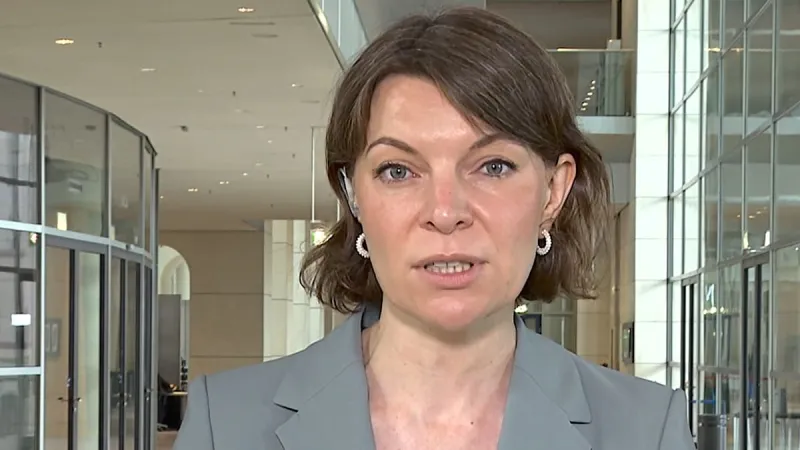
BERLIN — Emmi Zeulner, a prominent Christian Social Union (CSU) Member of Parliament and a key figure on the Bundestag's Health Committee, has emphatically called for a comprehensive care reform in Germany, stressing the immediate need for political compromise to address the critical needs of the nation's care recipients and their families.
Zeulner's appeal highlights the escalating pressures on the German care system, a sector grappling with demographic shifts, staffing shortages, and increasing financial burdens on both the state and individual households.
“That is an enormous responsibility,” Zeulner stated, underscoring the gravity of the situation during recent parliamentary discussions. Her remarks emphasize that the reform transcends partisan politics, directly impacting millions of lives across the country.
Germany's aging population continues to place unprecedented demands on its long-term care infrastructure. Experts have long warned that the current system, while robust in many aspects, faces sustainability challenges without significant structural adjustments.
As a member of the Bundestag's influential Health Committee, Zeulner is intimately familiar with the intricacies and obstacles inherent in overhauling such a vital public service. Her position lends significant weight to her calls for decisive action.
A truly comprehensive care reform, as advocated by Zeulner, would likely encompass several key areas: improved funding mechanisms, enhanced training and recruitment for care professionals, better support for family caregivers, and modernized care models that prioritize individual dignity and well-being.
Achieving political consensus on such a far-reaching and financially intensive reform is a formidable task. Previous attempts have often stalled due to disagreements over funding sources, benefit levels, and the division of responsibilities between federal and state governments.
The strain on families is particularly acute, with many individuals balancing professional lives with the demanding role of caring for elderly or infirm relatives. Without adequate support, this often leads to financial hardship, emotional stress, and professional limitations for caregivers.
The discussion around care reform takes place amidst broader debates concerning Germany's social safety net, including calls from figures like SPD co-leader Lars Klingbeil to expand statutory pension contributions, reflecting a wider governmental focus on future-proofing social welfare systems.
Beyond the humanitarian aspect, a robust and sustainable care system is also an economic imperative. A failing system can hinder workforce participation, diminish consumer spending, and ultimately impact national productivity.
Zeulner's insistence on compromise suggests a recognition that incremental changes may no longer suffice. The political will to forge a bipartisan path forward will be crucial in determining the success of any proposed legislative package.
The ball is now firmly in the court of German lawmakers, who must navigate complex negotiations to deliver a care reform that genuinely serves the nation's most vulnerable and their dedicated families.