 Dodi Irawan
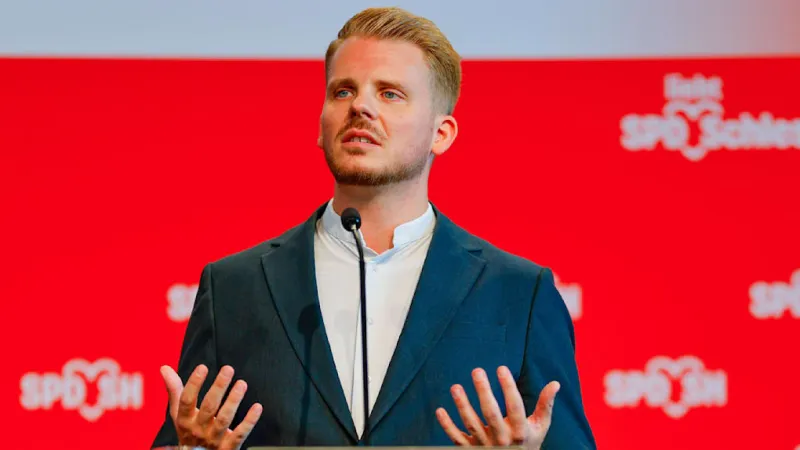
BERLIN – Germany's Social Democratic Party General Secretary Tim Klüssendorf has issued a sharp rebuke to Economic Minister Katherina Reiche, demanding immediate action to implement a fuel price cap and a tax on crisis profits. The SPD's call comes amidst record-high gasoline prices that are burdening households and businesses across the nation, with Klüssendorf accusing Minister Reiche of critical inaction.
Klüssendorf declared, "It is finally enough," emphasizing the urgency for the federal government to intervene decisively. His statement underscores a growing frustration within the SPD regarding the perceived lack of governmental response to the spiraling costs impacting German citizens' daily lives.
The proposed fuel price cap aims to shield consumers from the volatile global energy market, ensuring essential mobility remains affordable. Advocates argue such a measure would provide immediate relief, particularly for commuters and logistics businesses grappling with unsustainable operating expenses.
Coupled with the price cap, Klüssendorf urged for the imposition of a tax on crisis profits. This levy would target energy companies and corporations that have reportedly seen their earnings swell due to the current inflationary environment and supply chain disruptions, often at the expense of ordinary citizens.
The SPD General Secretary explicitly directed his criticism at Economic Minister Katherina Reiche, accusing her of inaction. This accusation suggests a significant policy divergence within the governing coalition regarding how to best tackle the economic fallout of sustained high fuel prices.
Record fuel prices have become a dominant issue in Germany, reflecting broader global economic pressures and geopolitical tensions. Data indicates that gasoline and diesel costs have reached unprecedented levels in 2026, surpassing previous peaks and significantly contributing to the overall cost of living.
This surge in energy expenses exacerbates inflationary pressures, impacting everything from food prices to manufacturing costs. Small and medium-sized enterprises, the backbone of the German economy, face immense pressure to absorb these rising costs or pass them on to consumers, further fueling inflation.
The political ramifications are considerable. As fuel prices roil state elections, public discontent is mounting, placing increased pressure on all parties within the ruling coalition to demonstrate effective governance. Klüssendorf's strong stance reflects the SPD's attempt to position itself as a champion for economic relief.
Minister Reiche's office has yet to issue an official response to Klüssendorf's direct challenge. However, previous statements from her ministry have often highlighted the complexities of market intervention and the potential for unintended consequences, such as supply shortages or disincentives for investment.
The debate over state intervention versus market forces continues to be a central theme in Germany's economic policy discourse. The SPD's bold proposals signal a readiness to challenge traditional market-oriented approaches in favor of more direct governmental oversight in times of perceived crisis.
Further discussions on these proposals are anticipated in the Bundestag, where lawmakers will weigh the merits and drawbacks of a price cap and a crisis profit tax. The outcome could significantly redefine Germany's approach to energy economics and social welfare in the coming years.
Public opinion surveys consistently show high levels of concern among Germans regarding economic stability and affordability. The SPD's demands resonate with a populace eager for solutions to financial strains, placing the issue squarely at the forefront of the national political agenda.