 Edward DP Situmorang
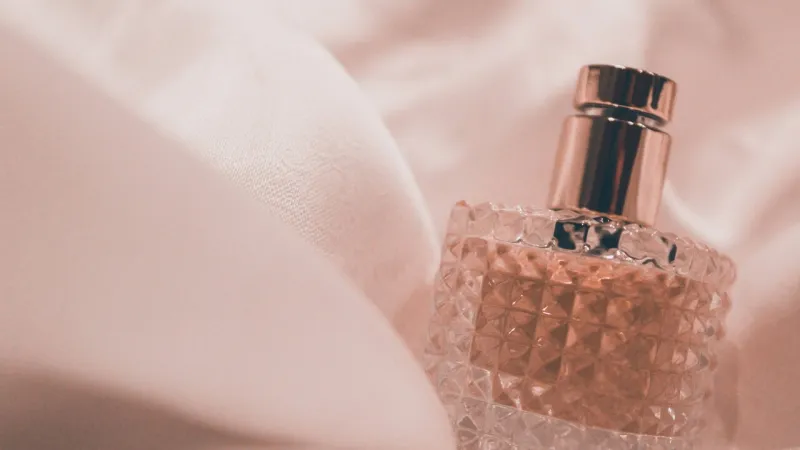
Advanced scientific methodologies are dramatically transforming the global perfumery industry, ushering in an era where the aromas of long-extinct flowers are being resurrected to create novel hi-tech fragrances. This pioneering development, leveraging cutting-edge molecular recovery techniques, empowers perfumers worldwide to expand their creative palettes, crafting scents previously unimaginable by modern noses.
The core of this revolution lies in sophisticated headspace technology combined with advanced genomic analysis. Scientists are meticulously extracting and analyzing residual scent molecules from preserved botanical specimens, sometimes centuries old, or even inferring chemical profiles from fossilized plant data. This process allows for the precise identification and subsequent synthetic reconstruction of complex aromatic compounds.
For master perfumers, this technological leap represents an unprecedented opportunity, as explored in recent industry analyses detailing how Hi-Tech Unlocks Extinct Floral Aromas, Transforms Perfume Industry. No longer confined to the existing botanical world or traditionally extracted absolutes, they now gain access to a vast, forgotten library of scents. This expanded repertoire facilitates the creation of truly unique and evocative blends, distinguishing contemporary hi-tech fragrances from their predecessors.
Consider the tantalizing possibility of experiencing the scent of a flower last blooming hundreds or even thousands of years ago. Researchers, for instance, have begun to map the genetic blueprints of ancient flora, using computational models to predict their olfactory signatures. These predictions then guide the precise chemical synthesis in laboratories, bringing vanished floral notes back to life.
Beyond novelty, this approach also offers significant sustainability advantages. Instead of relying solely on the cultivation and harvest of rare or endangered plants, perfumers can replicate these scents synthetically. This reduces ecological pressure on natural resources and ensures a more consistent supply of unique aromatic ingredients for the burgeoning market of hi-tech fragrances.
Consumers are increasingly seeking distinctive and personalized scent experiences. The introduction of extinct floral aromas into the market provides an entirely new dimension of luxury and individuality. Imagine a fragrance that whispers of a primeval forest or an ancient garden, a scent impossible to encounter naturally today.
This scientific endeavor extends beyond the realm of perfumery, contributing to a deeper understanding of plant evolution and historical ecosystems. The reconstruction of ancient aromas provides valuable insights for botanists and paleontologists, offering sensory data that complements genetic and fossil evidence.
However, the process is not without its complexities. Recreating a scent from fragmented data requires immense precision and interdisciplinary collaboration between chemists, botanists, and perfumers. Ensuring the synthesized aroma perfectly mirrors its historical counterpart, down to subtle nuances, remains a meticulous challenge.
The market for specialized and niche perfumes continues its robust growth, driven by consumers eager for unique and high-quality products. Hi-tech fragrances, with their compelling backstories and innovative origins, are poised to capture a significant share of this expanding sector, promising novel olfactory journeys.
Investment in fragrance technology research is surging, with leading laboratories and academic institutions dedicating resources to further unlock the secrets of historical botanical essences. The goal is not merely replication but also the development of entirely new, bio-inspired molecules that push the boundaries of scent creation.
This convergence of history, science, and artistry firmly establishes hi-tech fragrances as a frontier where the past informs the future, offering a potent blend of heritage and innovation in every exquisite drop. The industry looks forward to a future where the palette of nature is truly limitless.