 Dorry Archiles
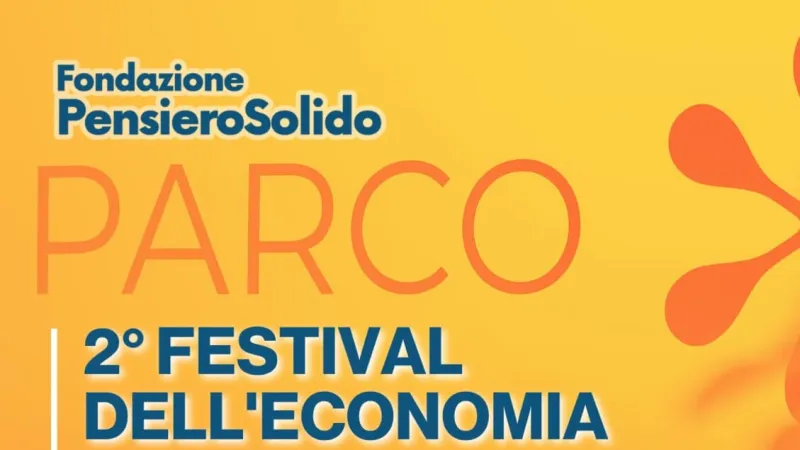
Milan, Italy, is poised to host the inaugural Festival of Circular Economy of Skills, a significant initiative spearheaded by Fondazione Pensiero Solido. The foundation announced two dedicated events scheduled for the city, aiming to catalyze discussion and development around sustainable economic models and the evolving demands of the modern workforce. This pioneering festival underscores a growing commitment to integrate ecological principles with human capital development.
Fondazione Pensiero Solido, known for its forward-thinking approach to societal challenges, conceived this festival as a critical platform. The organization has consistently championed interdisciplinary dialogue and practical solutions for a sustainable future, making it a natural proponent for an event of this scope.
The festival specifically addresses the convergence of the circular economy and the competencies required to implement its principles effectively. It seeks to bridge the gap between theoretical understanding and practical application, fostering a workforce equipped for a greener, more resource-efficient future.
One of the planned appointments will reportedly concentrate on policy frameworks and corporate strategies essential for transitioning to circular models. Experts are expected to deliberate on legislative incentives, industry best practices, and the challenges companies face in adopting sustainable operational cycles.
The second event will likely dive deeper into educational paradigms and skill retraining programs. Discussions are anticipated to cover the specific skills — ranging from data analytics for resource optimization to design thinking for product longevity — that will become paramount in the coming years. This emphasis aligns with global concerns about workforce preparedness for emerging economic shifts.
The circular economy, a system aimed at eliminating waste and the continual use of resources, stands as a cornerstone of sustainable development. Unlike the traditional linear take-make-dispose model, it advocates for reuse, repair, refurbishment, and recycling, thereby reducing environmental impact and creating new economic opportunities.
Milan, a global capital of fashion, design, and finance, offers an ideal backdrop for such a forum. The city itself is a hub of innovation and a bellwether for European economic trends. Its engagement in promoting the circular economy of skills reflects a broader national and continental push towards green transitions.
Industry reports across Europe consistently highlight a looming green skills gap. As companies pivot towards sustainable practices, the demand for professionals proficient in areas such as life-cycle assessment, renewable energy integration, and sustainable supply chain management is rapidly outstripping supply.
"The future economy is undeniably circular, and our workforce must be ready," stated Dr. Elena Rossi, Director of Programs at Fondazione Pensiero Solido. "This festival is designed to spark essential conversations and concrete actions that will prepare both individuals and industries for this transformation."
A representative from the Milan Chamber of Commerce, speaking on condition of anonymity due to event planning still being finalized, echoed this sentiment. "Investing in skills is investing in our citys economic resilience. We welcome initiatives that connect our vibrant business community with the critical needs of sustainability."
The festival is expected to draw a diverse array of participants, including policymakers, industry leaders, academics, students, and environmental advocates. Its multi-stakeholder approach aims to ensure comprehensive perspectives are brought to bear on the complex issues at hand.
The principles championed at the Milan festival resonate with global efforts to achieve the United Nations Sustainable Development Goals. The development of green skills is integral to targets related to responsible consumption and production, climate action, and decent work and economic growth.
Educational institutions are increasingly tasked with redesigning curricula to meet these new demands. The festival will likely feature sessions exploring innovative teaching methods and collaborative models between universities and industries to cultivate the desired competencies.
Fondazione Pensiero Solido plans to publish a white paper following the events, summarizing key insights and actionable recommendations. This document intends to serve as a resource for educators, businesses, and government bodies looking to implement circular economy principles and skills development programs.
Several local businesses in Milan have already begun pioneering circular economy initiatives, from fashion houses embracing sustainable materials to technology firms designing repairable electronics. The festival aims to showcase these successes and foster further collaboration.
Italy, alongside its European partners, has committed to ambitious targets for waste reduction and resource efficiency. Events like the Festival of Circular Economy of Skills are vital components of the broader strategy to meet these environmental and economic objectives.
The success of such festivals will largely depend on their ability to translate dialogue into tangible policy changes and educational reforms. Stakeholders anticipate that the Milan event will serve as a blueprint for similar initiatives worldwide, propelling the circular economy agenda forward.